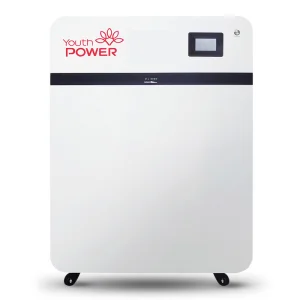
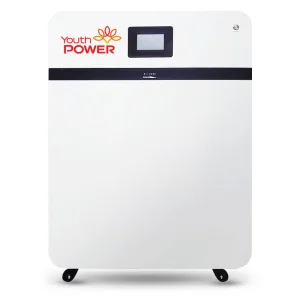
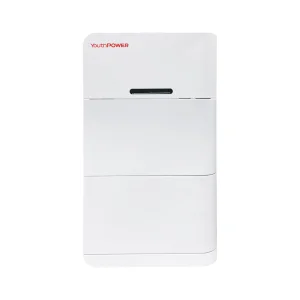
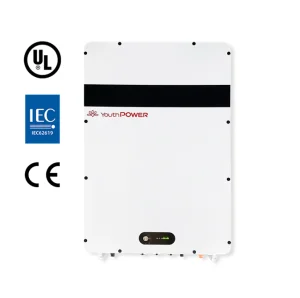
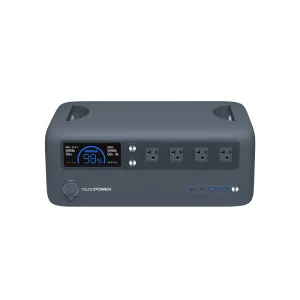
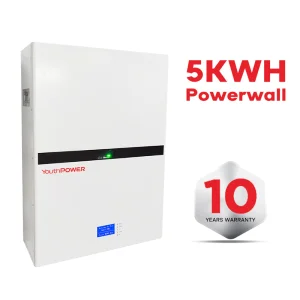
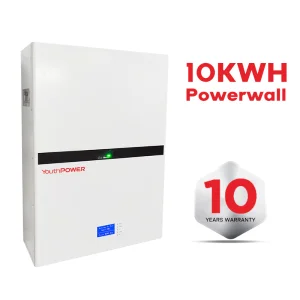
Engineered for UK grid compatibility, smart dynamic pricing, and robust local compliance.
The United Kingdom's residential energy landscape is undergoing its most profound transformation since privatization. Propelled by volatile retail electricity tariffs, ambitious net-zero mandates, and the phase-out of traditional gas boiler systems, residential energy storage systems (ESS) have shifted from alternative technology to central mainstream infrastructure. In the UK, peak electricity tariffs can exceed 30p/kWh (under Standard Variable Tariffs) and dynamic tariffs fluctuate dramatically. Incorporating a high-efficiency lithium iron phosphate (LiFePO4) battery offers home and business owners a robust path toward energy independence.
Homeowners are integrating batteries with solar PV arrays to capture solar yield and arbitrage smart dynamic tariffs like Octopus Energy's "Intelligent Octopus Go" or "Octopus Flux". By charging batteries during ultra-low off-peak periods (often between 7.5p/kWh and 15p/kWh) and discharging during peak evening demand (4 PM to 7 PM), homeowners can reduce energy expenses by up to 70%.
Deploying residential batteries in the UK requires strict adherence to safety and grid connection protocols:
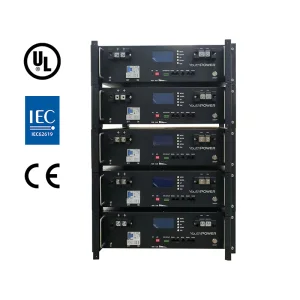
UK Industry Insight: Working with MCS-certified installers ensures that the battery chemistry, inverter limits, and emergency power supply (EPS) switches are configured in complete compliance with BS 7671 (wiring regulations) and PAS 63100 standards for domestic battery system safety.
Pricing structure for residential battery storage in the United Kingdom depends heavily on three variables: storage capacity (kWh), voltage configuration (Low Voltage 48V vs. High Voltage 400V Stackable), and installation complexity.
Below is a comprehensive cost matrix detailing the estimated price range for lithium iron phosphate (LiFePO4) systems when comparing local retail distribution channels versus direct factory procurement from Chinese tier-1 gigafactories.
| Battery Capacity (kWh) | System Voltage | UK Local Retail Price (Installed) | Factory Direct Price (Ex-Works) | Typical Application Scenarios |
|---|---|---|---|---|
| 2.4kWh - 5kWh | 48V Low Voltage | £2,500 - £4,200 | $700 - $1,400 | Small apartments, balcony solar storage, off-grid backup |
| 10kWh | 51.2V Low Voltage / HV Stackable | £4,800 - £7,500 | $1,500 - $2,600 | Typical 3-bedroom semi-detached UK home with 4kW PV |
| 15kWh - 20kWh | High Voltage Stackable (200V-400V) | £8,000 - £12,500 | $2,800 - $4,500 | Large detached homes, heat-pump integrated, EV charging |
| 25kWh+ Stackable | High Voltage (400V+) | £13,000+ | $4,800 - $7,000 | Micro-commercial, small agricultural estates, multi-family |
When designing or purchasing a residential energy storage system, the technical distinction between High-Voltage (HV) stackable systems and Low-Voltage (LV) 48V systems is critical.
LV systems have been the industry standard for off-grid and marine installations for decades. They are safer for hands-on maintenance, highly modular, and cost-effective. However, they suffer from higher line losses (heat) due to high current requirements and are typically restricted to lower continuous charge/discharge rates.
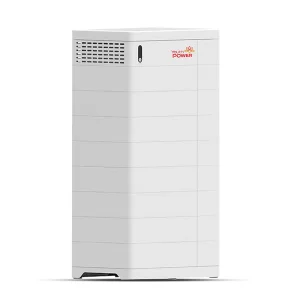
HV stackable battery systems utilize series-connected battery modules to step up DC voltage. This architecture matches the high DC bus voltage of modern hybrid inverters. Benefits include:
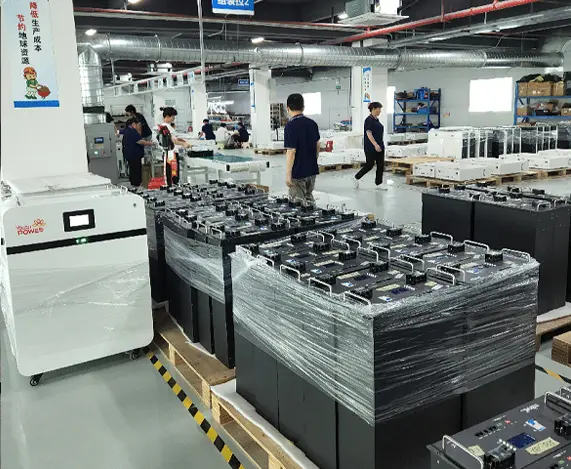
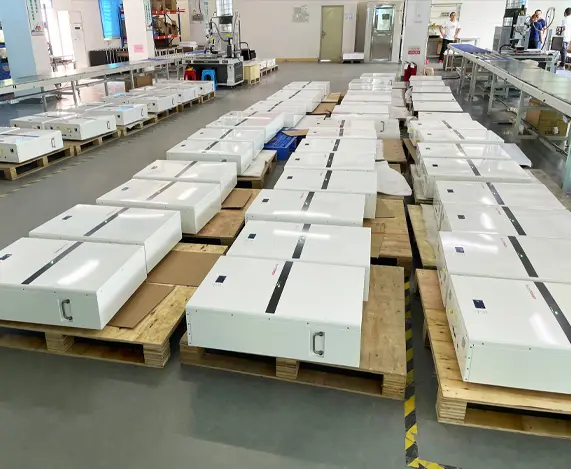
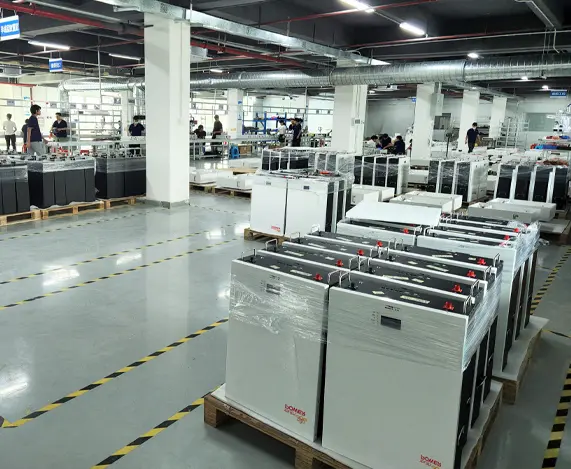
For global and UK-based buyers, importing energy storage systems directly from Chinese manufacturing bases offers substantial commercial advantages. China currently produces over 75% of the world's lithium-ion batteries. This industrial concentration yields several key efficiencies:
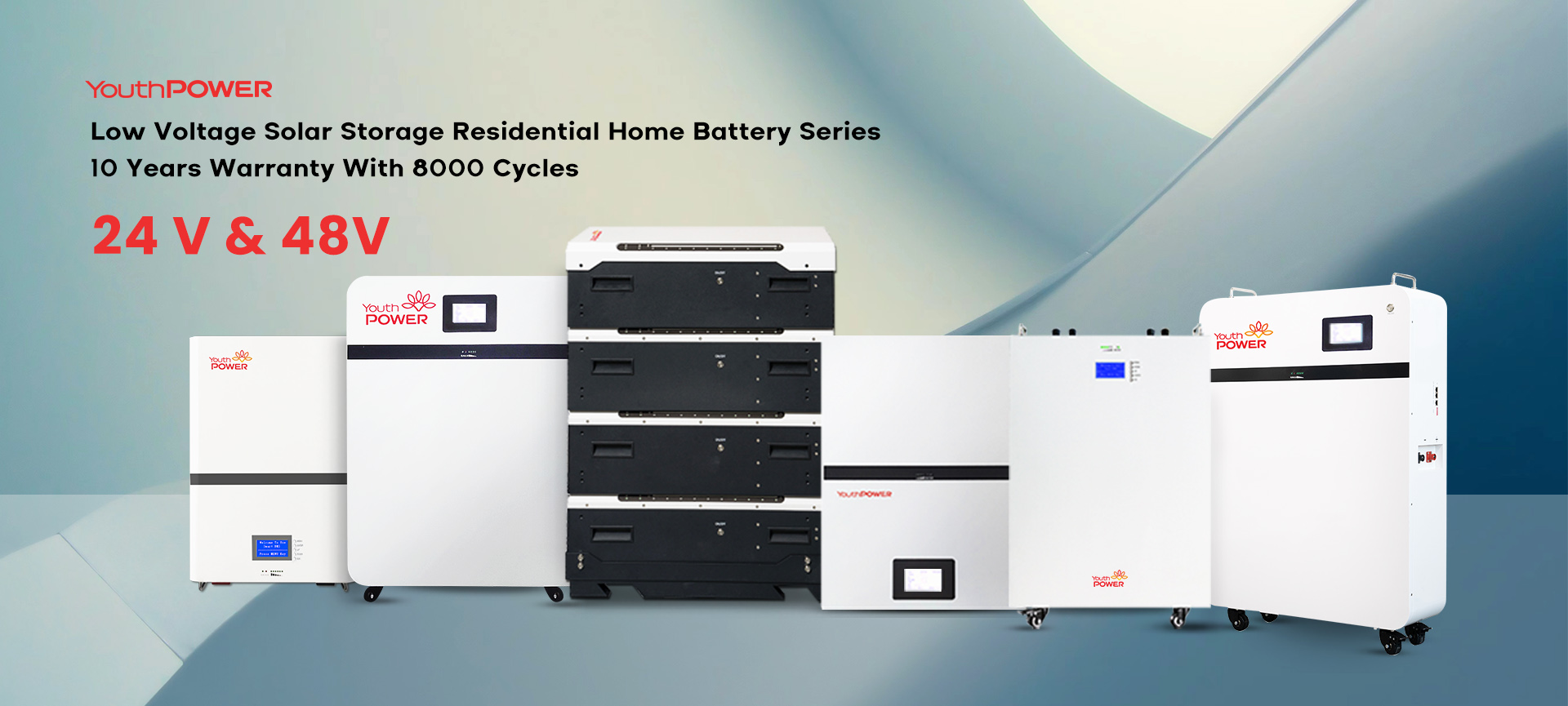
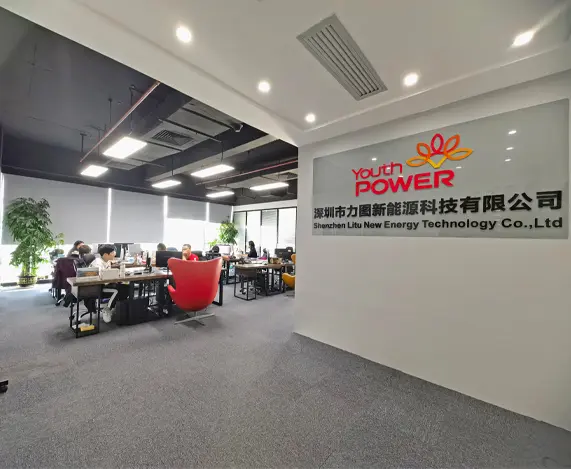
Founded in 2003, YouthPOWER has now become one of the leading suppliers of solar storage lithium batteries in the world. With a broad range of energy storage solutions, it covers a series of 24V, 48V and higher voltage lithium batteries solutions.
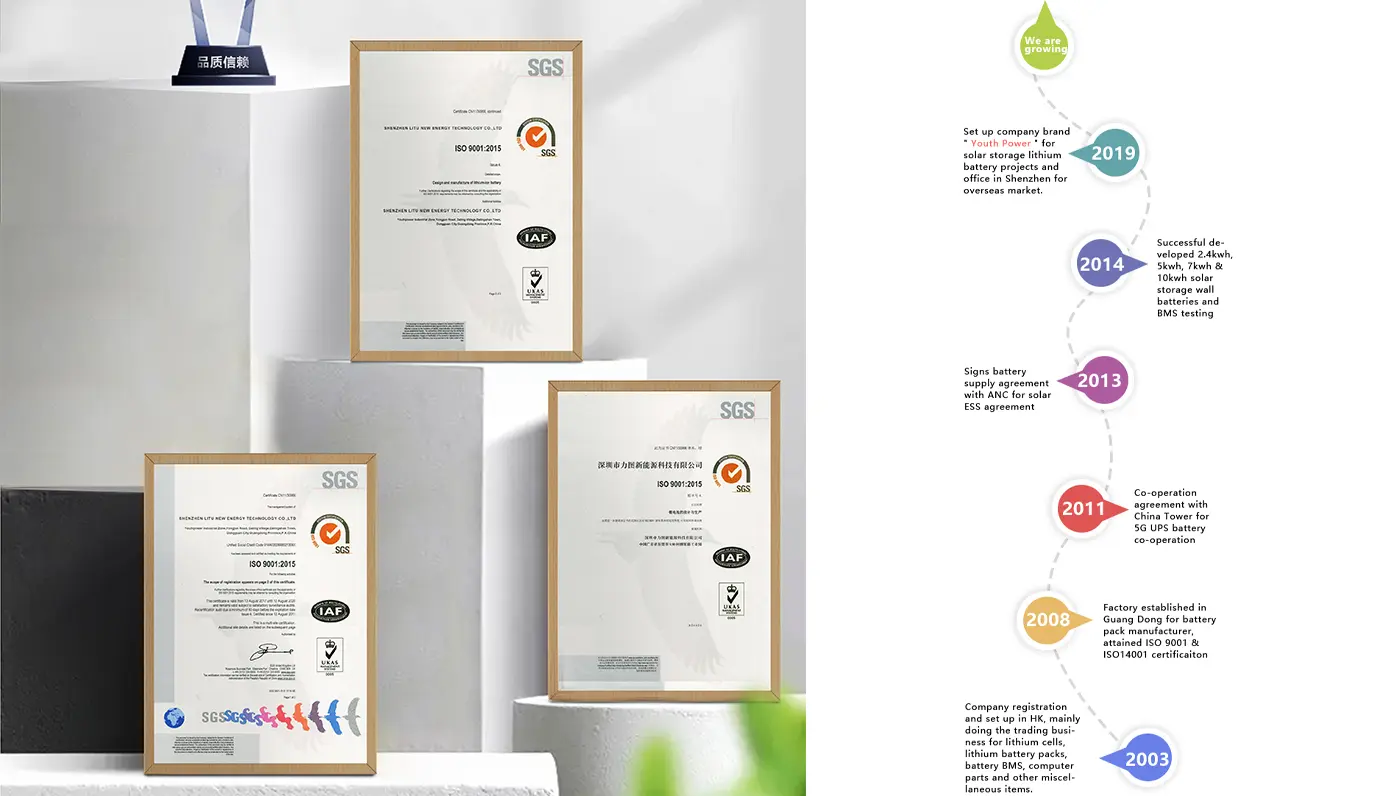
YouthPOWER has engaged in the battery technology and production for almost 20 years, with abundant manufacturing experience and strong new product R & D capability. Through many years of hard work and market promotion, we have created our own brand "YouthPOWER" in 2019.

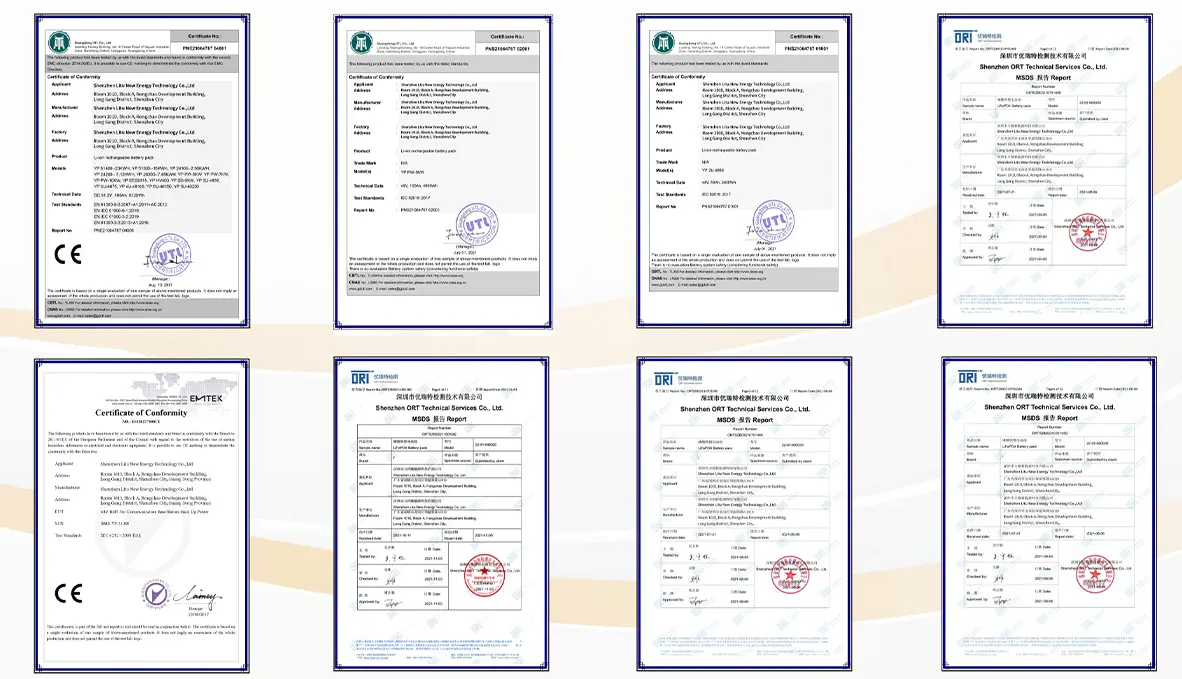
With nearly 20 years’ experience in the battery industry, we have the capability to provide you with both the products you need and the most suitable products you want. We are always ready to supply the first-class products and meet the various needs of the customers.
We have established good business relationships with our customers from all over the world. And we have a good cooperation with all our customers as well for many years running. Supported by our local vendors of raw materials, we can certainly offer you the best prices.
We are so proud that YouthPOWER has offered the reliable solar storage solution for over 1,000,000 families now in the world.
Decades of technological evolution and milestones in the battery industry.
Optimized configurations addressing regional challenges, climate demands, and economic conditions in the UK.
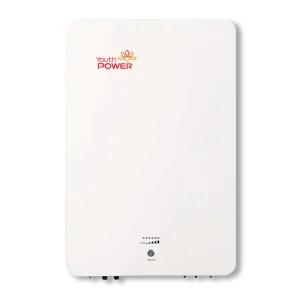
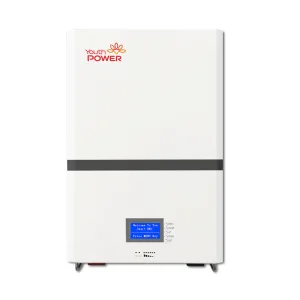
Integrated with a 4kWp roof solar PV, a 10kWh YouthPOWER wall-mounted battery is used to dynamically offset domestic base loads in regions like Greater London and the Midlands. By utilizing off-peak rates, the system targets maximum self-consumption and mitigates high peak-period tariffs.
For rural properties susceptible to winter grid disruptions, high-voltage stackable battery systems (20kWh+) provide essential grid backup. Complete with auto-transfer switches, they maintain power to critical loads like heat pumps and lighting during grid outages.
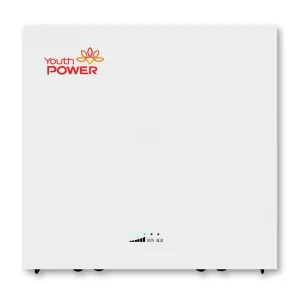
For terraced housing and urban apartments, high-density mini-wall batteries combined with microinverters allow tenants and owners to store solar generation. This modular approach bypasses complex rooftop G99 requirements.
Expert technical answers to typical queries about residential battery systems in the UK.
Factory direct pricing, certified engineering, and comprehensive warranties on our full range of products.
 YouthPOWER