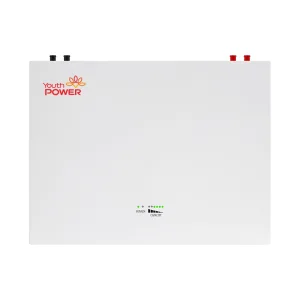
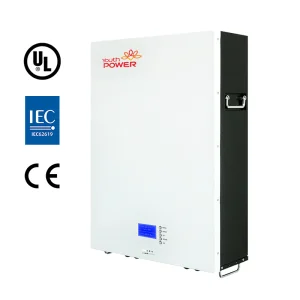
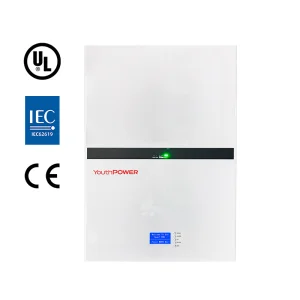
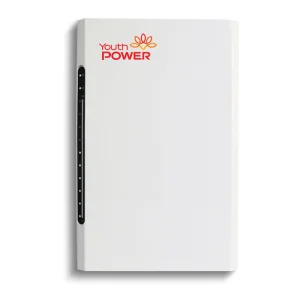
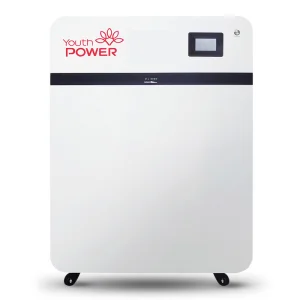
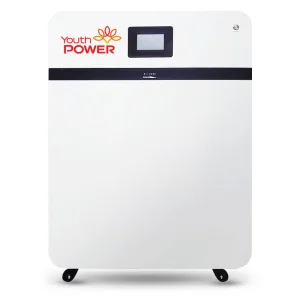
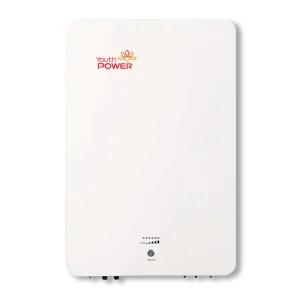
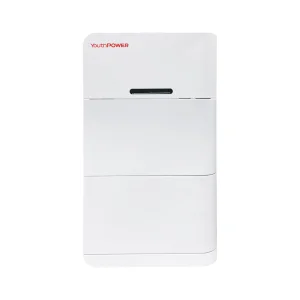
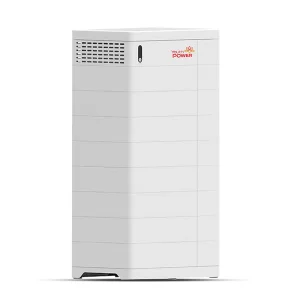
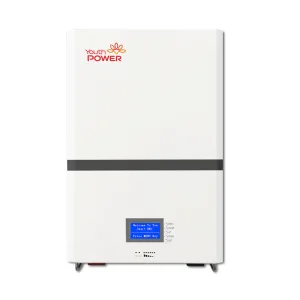
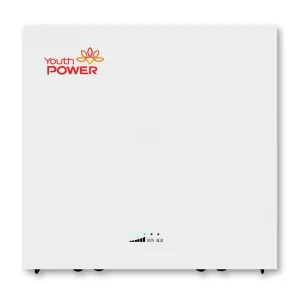
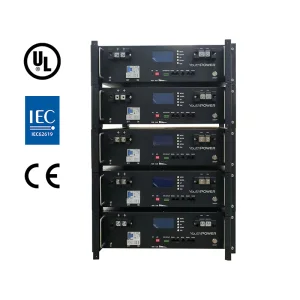
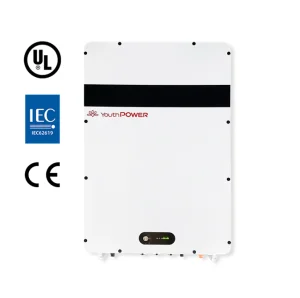
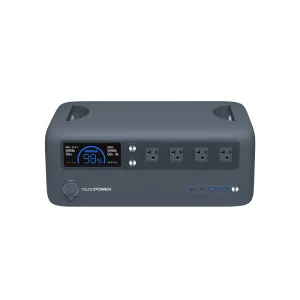
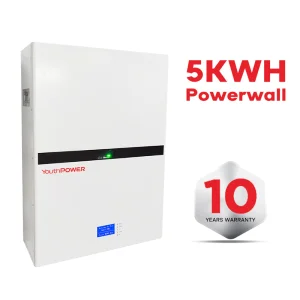
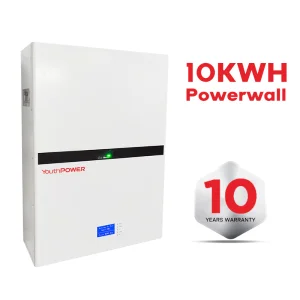
Explore our top four residential energy storage systems optimized for the PG&E grid infrastructure, offering smart dynamic charging and maximum peak-shaving capabilities.
In April 2023, the California Public Utilities Commission (CPUC) shifted the state to the Net Billing Tariff (NEM 3.0). This policy reduced residential solar export credits by roughly 75%. For homeowners in San Francisco, installing solar panels without battery storage is no longer economically sound. The payback period of a solar-only installation has extended past 10–12 years.
Integrating localized energy storage systems (ESS) reduces this payback period to 7–8 years. By storing daytime solar power and discharging it during peak utility hours (typically 4:00 PM to 9:00 PM under PG&E rate structures like E-ELEC or TOU-C), homeowners avoid high retail energy rates.
Furthermore, Northern California faces ongoing risk from wildfire season and Public Safety Power Shutoffs (PSPS). In this environment, a home battery system is more than a cost-saving measure—it is a critical tool for home energy resilience.
Engineering next-generation chemical stability and high-efficiency interfaces for reliable home energy systems.
We build our batteries exclusively with Lithium Iron Phosphate (LiFePO4) chemistry. LFP is thermally stable, eliminates the risk of oxygen release common in NMC chemistries, and has a service life exceeding 6,000 cycles at 80% Depth of Discharge (DOD).
Our stackable systems support outputs from 100V up to 400V+. High-voltage architecture reduces line loss, limits current draw, improves round-trip efficiency (RTE) up to 95%, and supports direct pairing with high-power hybrid inverters.
The onboard Battery Management System (BMS) offers real-time monitoring of cell voltages, dynamic thermal balancing, and protective cut-offs. It communicates natively via CAN/RS485 with top inverter brands including Sol-Ark, SMA, and Growatt.
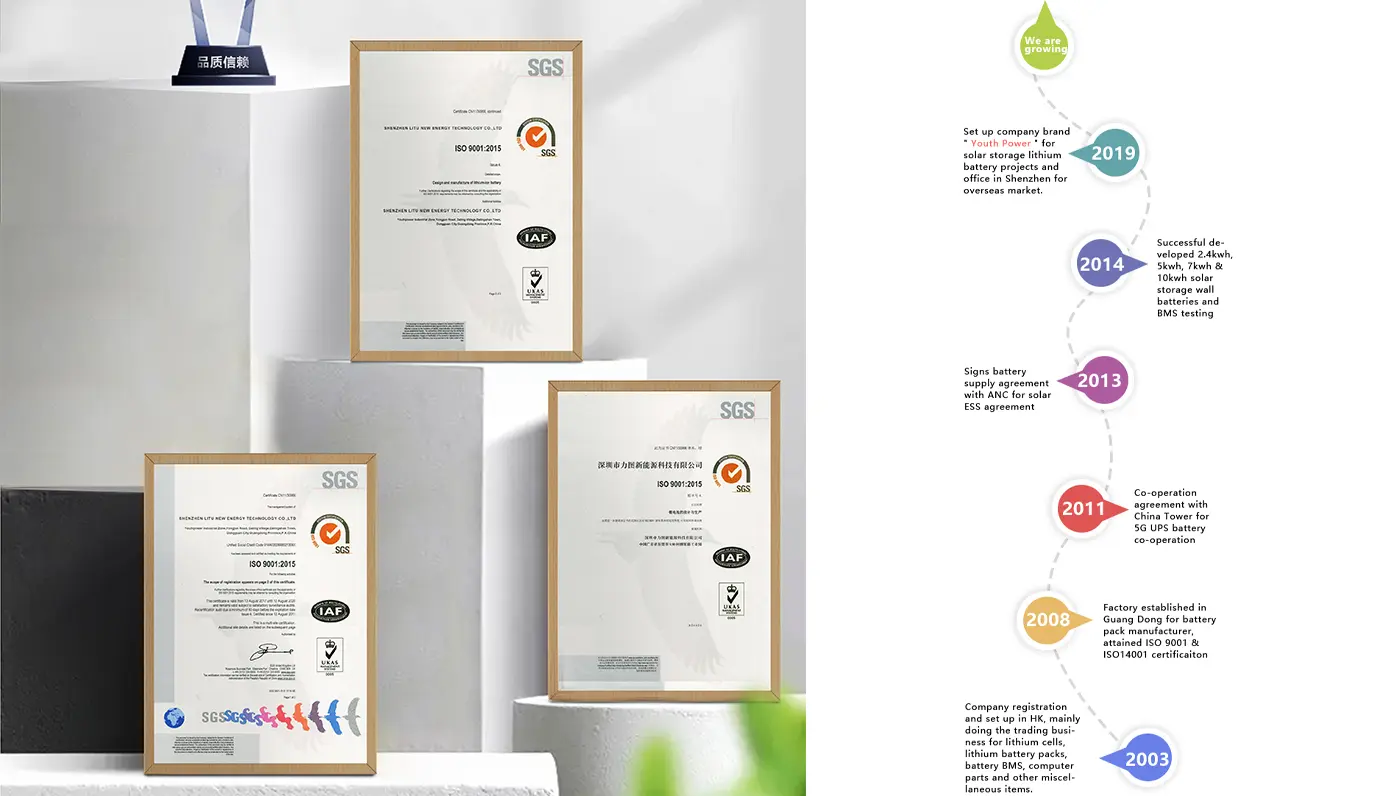
YouthPOWER's journey in engineering global solar storage solutions over two decades.
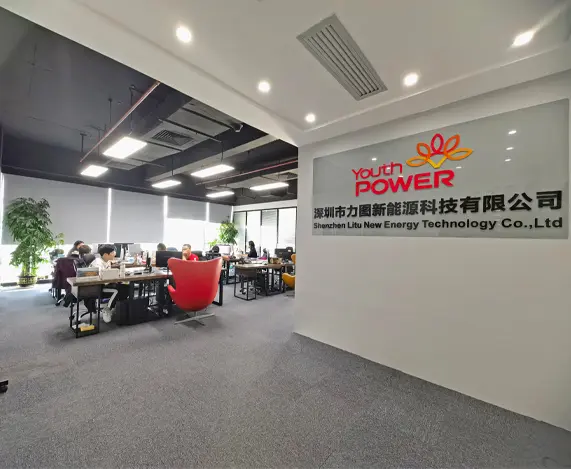
Founded in 2003, YouthPOWER has now become one of the leading suppliers of solar storage lithium batteries in the world. With a broad range of energy storage solutions, it covers a series of 24V, 48V and higher voltage lithium batteries solutions.
YouthPOWER has engaged in the battery technology and production for almost 20 years, with abundant manufacturing experience and strong new product R & D capability. Through many years of hard work and market promotion, we have created our own brand "YouthPOWER" in 2019.
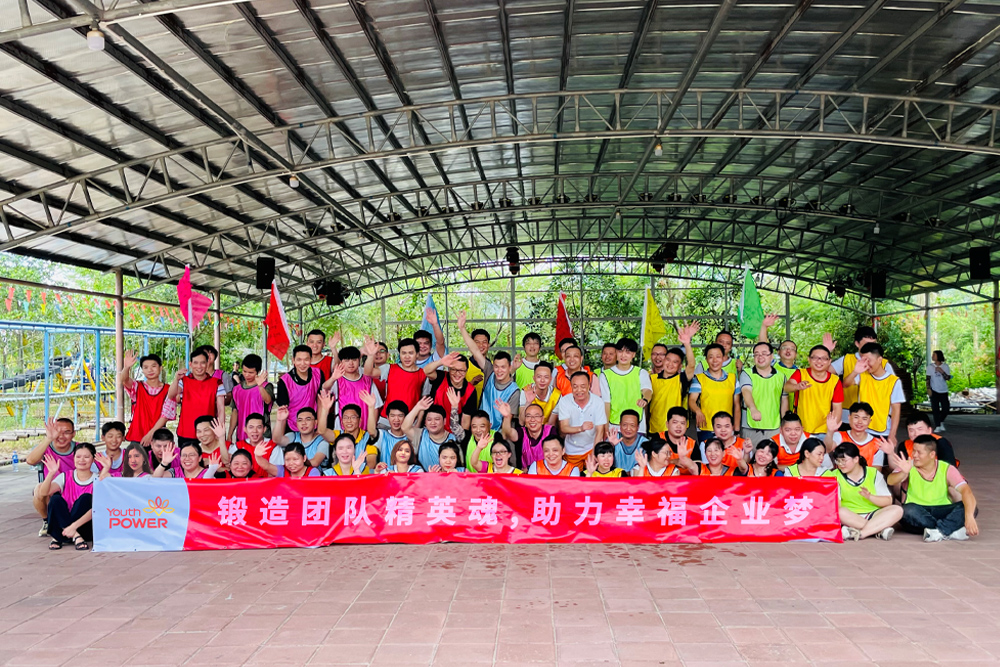
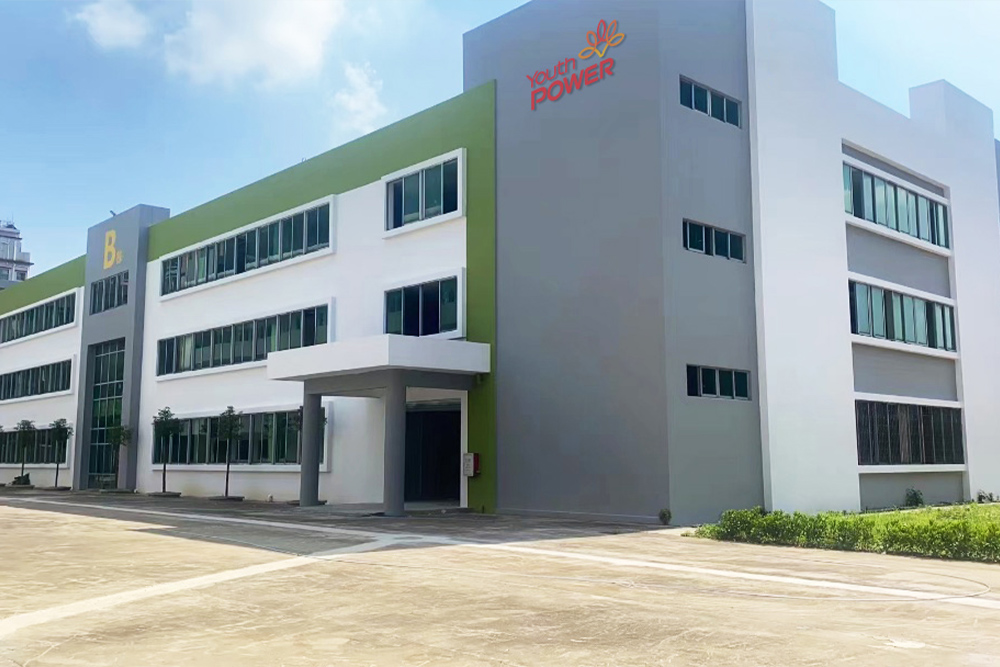
With nearly 20 years’ experience in the battery industry, we have the capability to provide you with both the products you need and the most suitable products you want. We are always ready to supply the first-class products and meet the various needs of the customers.
We have established good business relationships with our customers from all over the world. And we have a good cooperation with all our customers as well for many years running. Supported by our local vendors of raw materials, we can certainly offer you the best prices.
We are so proud that YouthPOWER has offered the reliable solar storage solution for over 1,000,000 families now in the world.
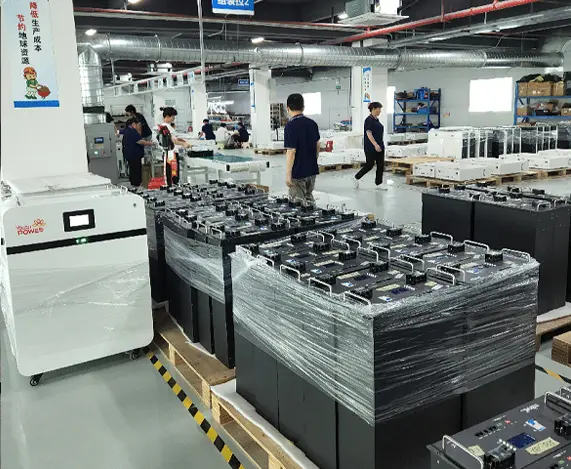
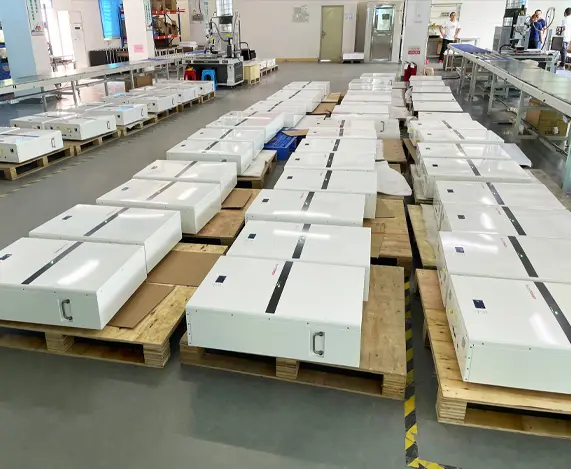
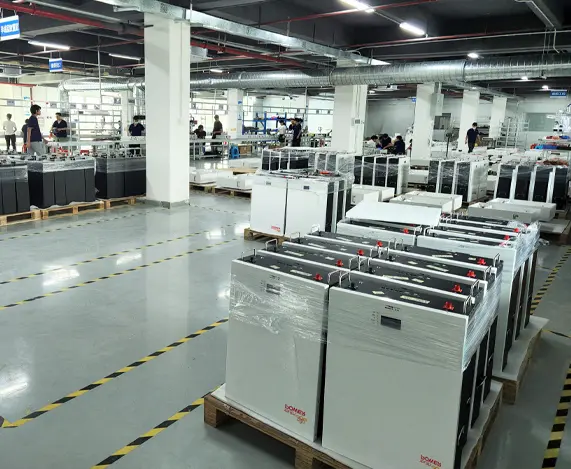
How our advanced manufacturing plants deliver direct cost advantages and quality assurance to international importers.
The global lithium battery market demands high safety and low cost. Our Chinese Industry 4.0 manufacturing facilities address these needs using automated assembly lines. Automated cell-matching ensures consistent voltage, internal resistance, and capacity across all packs.
By sourcing lithium raw materials directly from key domestic suppliers, we hedge against mineral cost volatility. This vertical integration allows us to offer competitive pricing for tier-one grade LiFePO4 cells to SF residential distributors and EPC contractors.
Every single cell is graded for dynamic capacity and voltage retention.
High-frequency laser welding creates minimal thermal stress on cell caps.
Total functional safety verification under full load simulation.
Meeting strict California permitting demands, structural engineering regulations, and local utility parameters.
San Francisco residential buildings are densely arranged. NFPA 855 governs installation spacing, fire protection systems, and maximum unit capacity (typically 20 kWh per individual system) in garages or exterior walls.
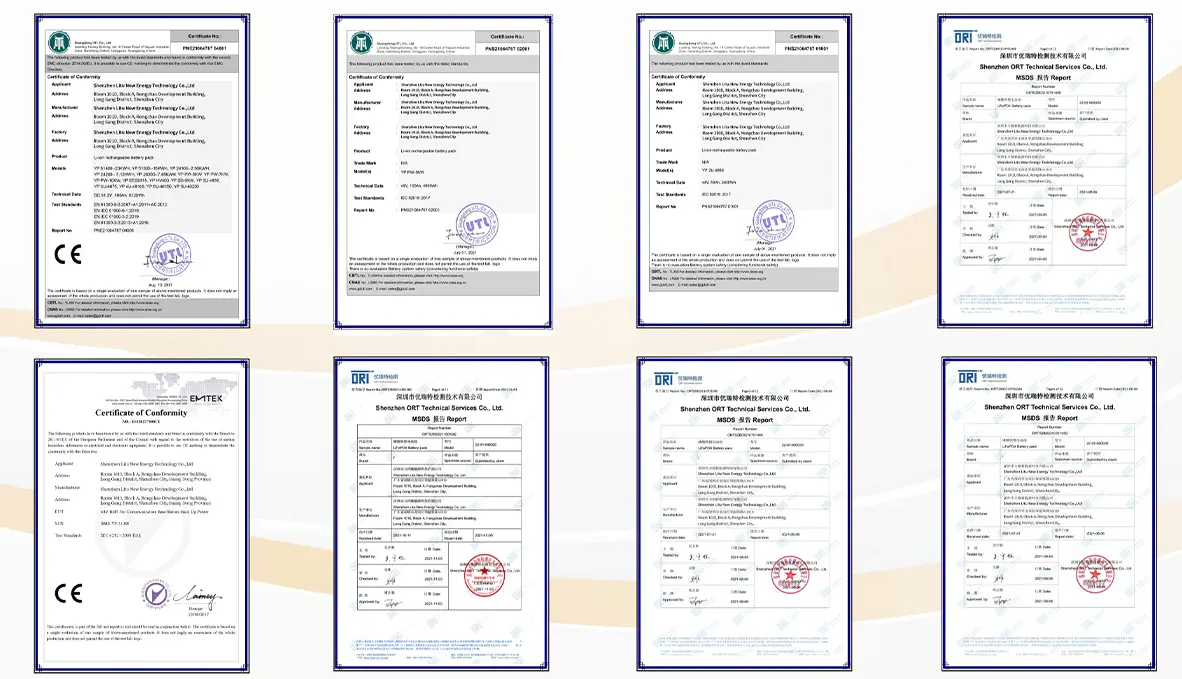
Our home batteries carry UL 1973 component level certifications. We help partners achieve UL 9540 system listings with leading hybrid inverters. This simplifies plan checks with the SF Department of Building Inspection (DBI).
We supply necessary testing certificates and documentation to assist installers in the PG&E interconnection portal. This ensures rapid system approval and qualifies homeowners for SGIP rebates.
We provide distributors and commercial solar installers in Northern California with direct access to our manufacturing lines.
From initial mechanical drawings to final software calibration, we assist with localization processes to ensure smooth integration into local target markets.
Contact Procurement OfficeWholesale buyers, engineering firms, and municipal procurement departments require consistent supply chains, stable lead times, and comprehensive warranty coverage.
YouthPOWER maintains structured logistics channels to Oakland and Richmond ports, ensuring predictable transit schedules. We provide replacement modules under our standard manufacturer warranty policy, supported by our remote engineering team.
Our systems support customizable branding (OEM) and custom communications configurations, allowing installers to offer a consistent product line to their local customer base.
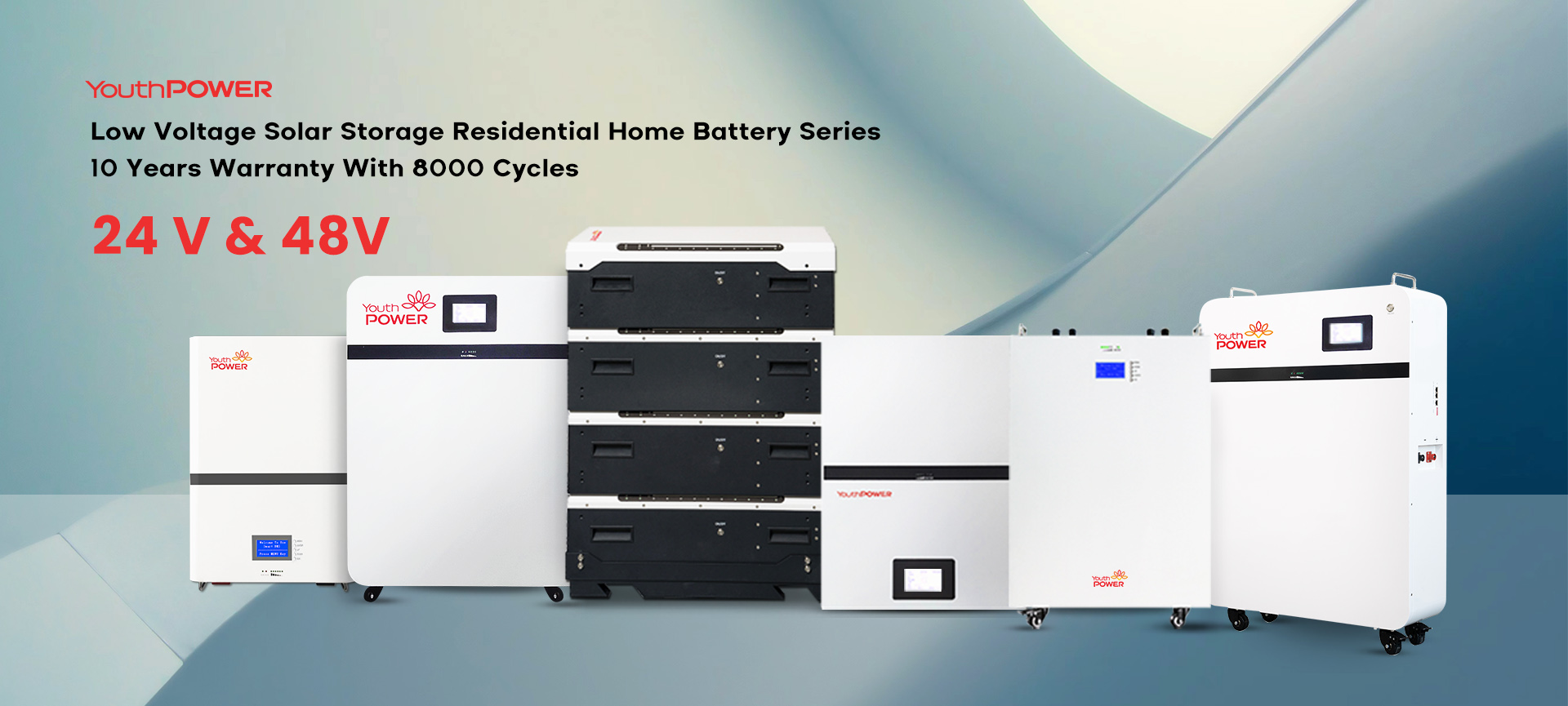
Explore our complete range of low-voltage and high-voltage energy storage systems designed for residential applications.
Get authoritative answers on California's technical requirements, cost savings, and manufacturing quality.
Contact our application engineering team today. Get direct pricing, local technical documentation, and start planning your next energy storage project.
Request Engineering Datasheet & Price Quote YouthPOWER