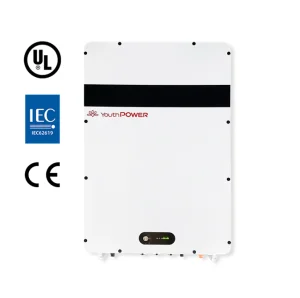
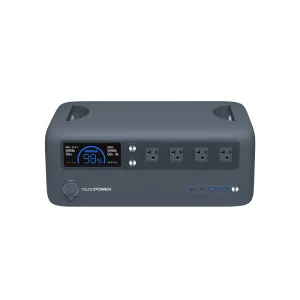
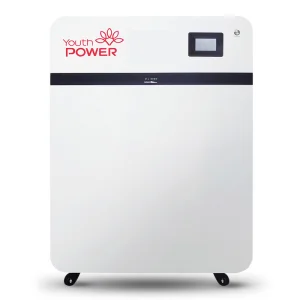
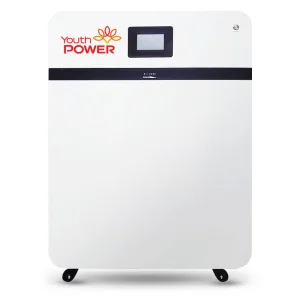
Engineered for maximum self-consumption, grid resilience, and compliance with strict Japanese electrical standards.
Osaka, the vital commercial heart of Western Japan, is undergoing a profound energy metamorphosis. Propelled by the expiration of the national Feed-in Tariff (FIT) program—often called the "2019 Problem" which continues to affect millions of solar-equipped households—coupled with volatile grid tariffs from regional utilities like the Kansai Electric Power Company (KEPCO), the demand for self-sufficient energy solutions has reached historic heights. No longer is storage considered merely an optional disaster backup; it has become an economic pillar for modern residential living.
Additionally, the Osaka Prefectural Government has set ambitious targets to cut carbon emissions by 40% by 2030, offering generous subsidies for residential battery installations (BESS). Homeowners are rapidly integrating advanced Lithium Iron Phosphate (LiFePO4) systems to shift power loads, store solar surpluses during the day, and power their homes during high-tariff evening hours or natural disasters like typhoons and earthquakes, ensuring continuous operation of vital appliances.
Specially designed for space-constrained urban environments and high-humidity coastal zones in the Kansai area.
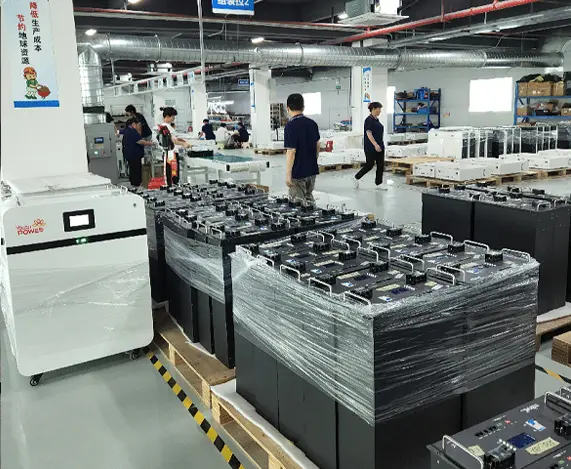
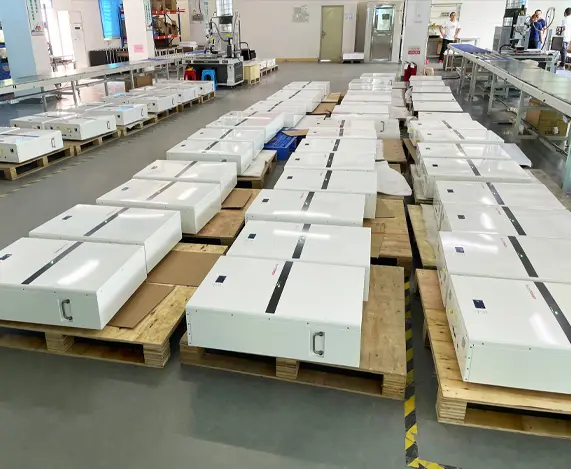
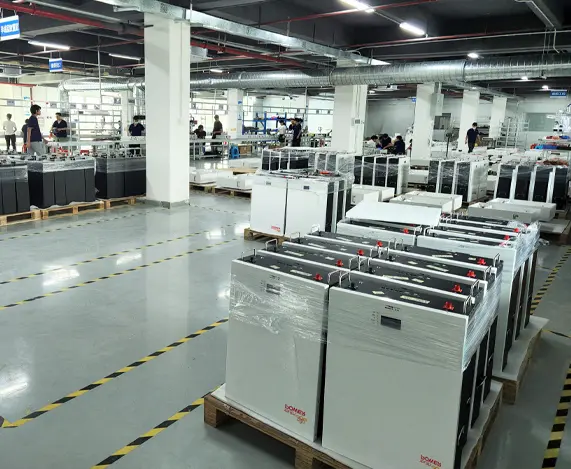
To meet the precise demands and high-quality thresholds of Japanese distributors and engineering procurement firms in Osaka, our state-of-the-art Factory 4.0 manufacturing processes leverage advanced automation, AI-driven cell matching, and comprehensive quality control. By maintaining deep, direct integration with primary lithium source suppliers and raw material vendors, we shield global importers from supply bottlenecks and inflationary pricing spikes.
Every single lithium iron phosphate cell undergoes extensive thermal cycling, internal resistance tests, and mechanical stress tests before assembly. This level of rigor ensures that the battery systems delivered to Japan possess unmatched lifecycle consistency (typically exceeding 6,000 deep discharge cycles at 80% DOD), ensuring long-term performance stability that perfectly aligns with Japanese consumers' expectations of reliability and longevity.
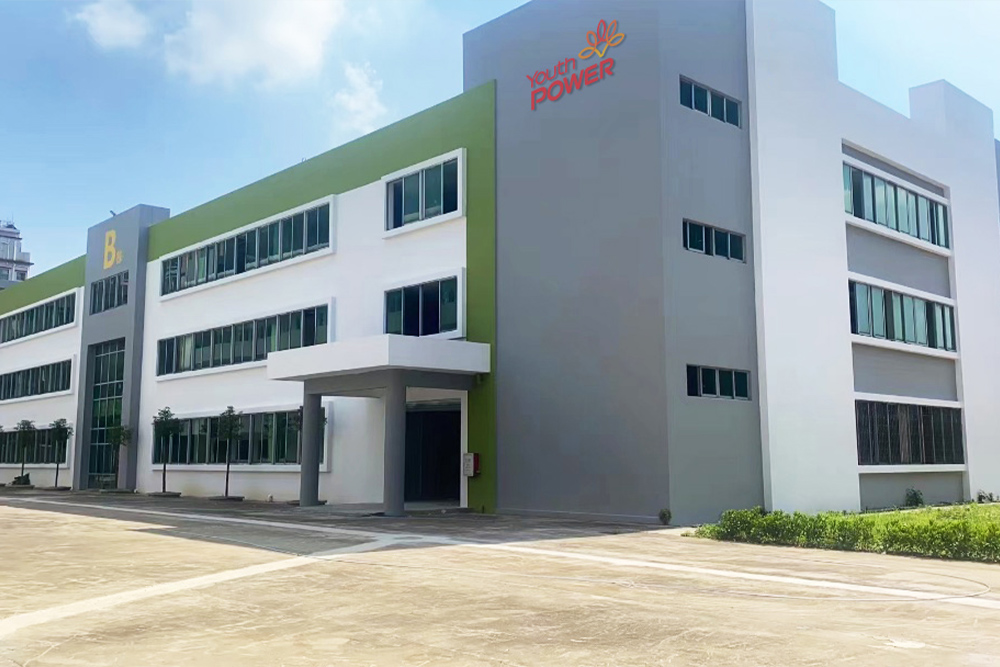
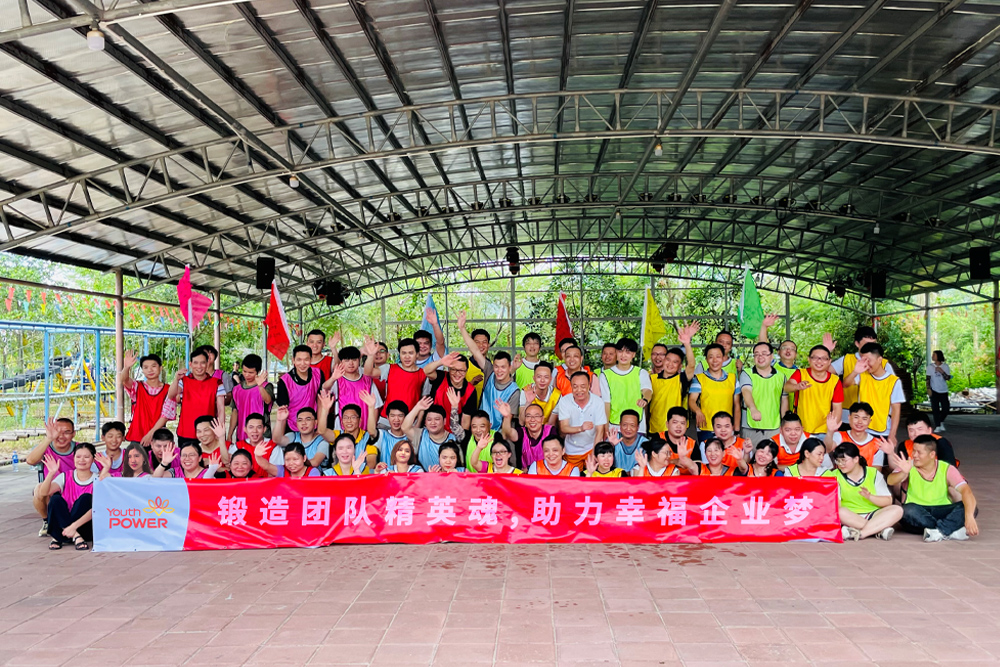
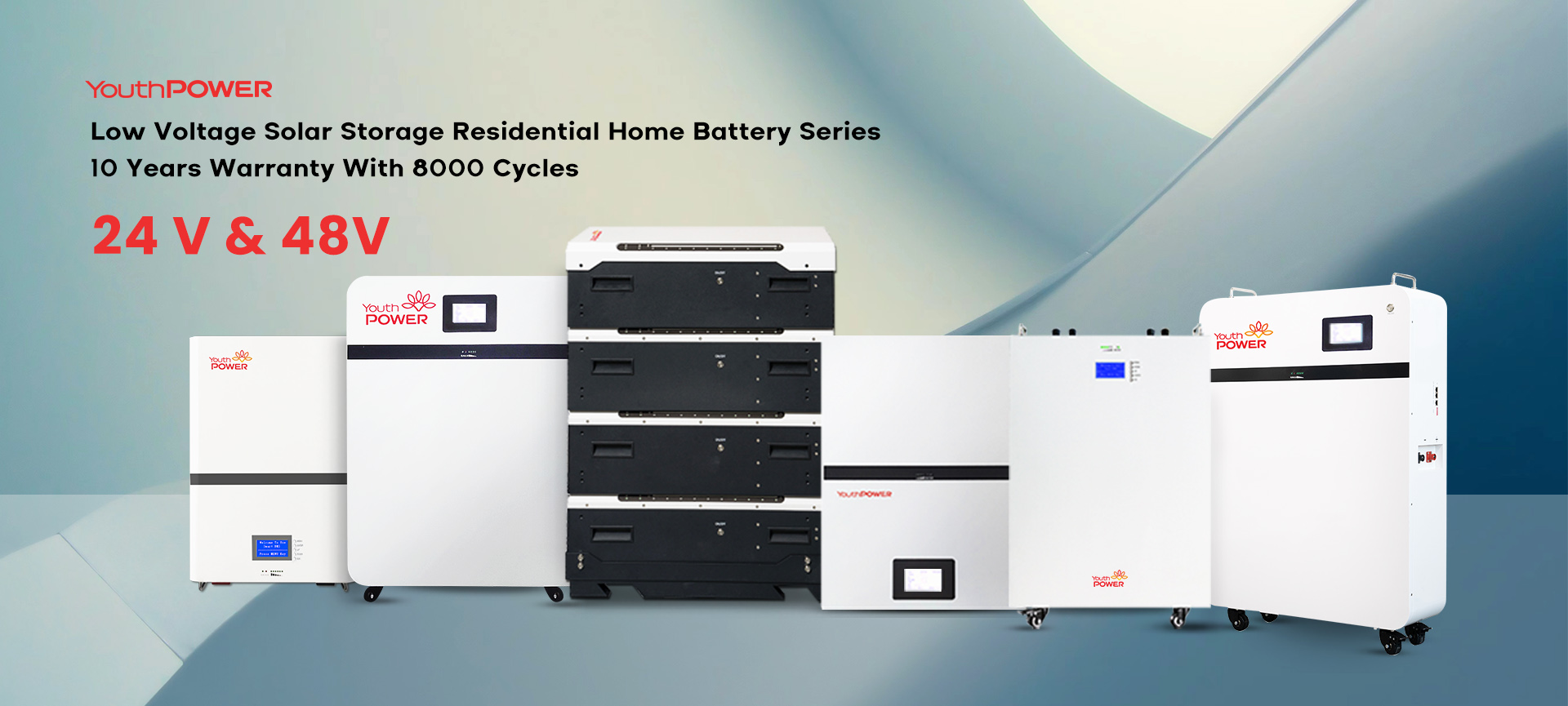
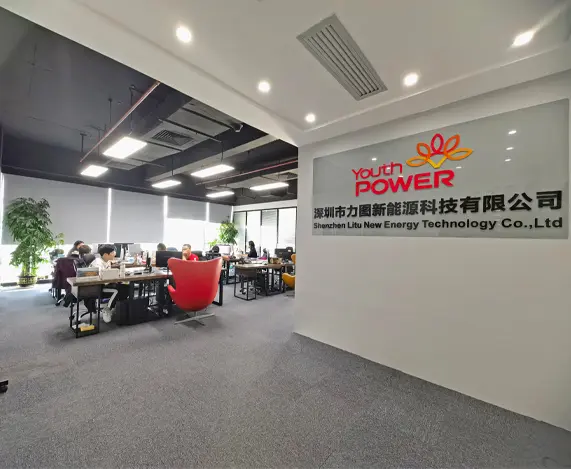
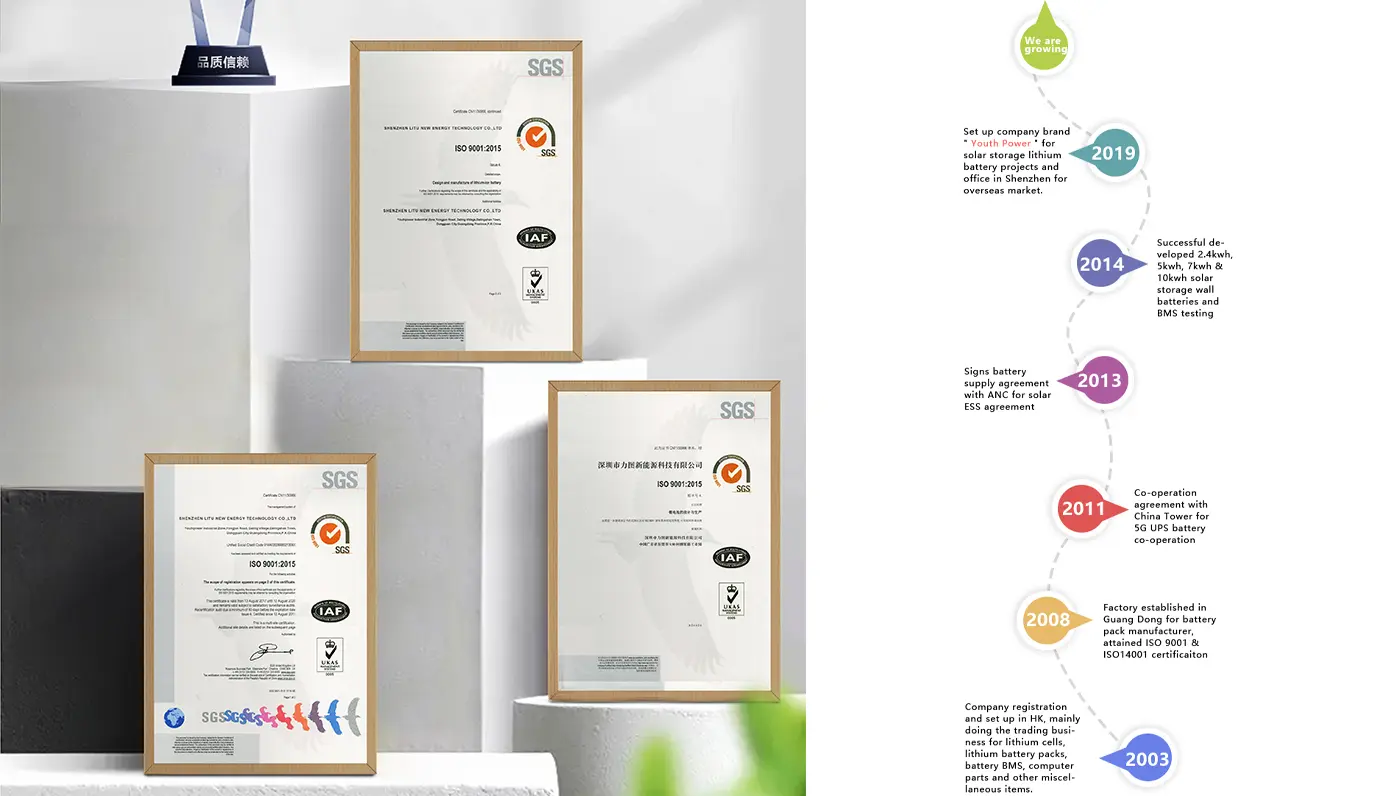
Founded in 2003, YouthPOWER has now become one of the leading suppliers of solar storage lithium batteries in the world. With a broad range of energy storage solutions, it covers a series of 24V, 48V and higher voltage lithium batteries solutions.
YouthPOWER has engaged in the battery technology and production for almost 20 years, with abundant manufacturing experience and strong new product R & D capability. Through many years of hard work and market promotion, we have created our own brand "YouthPOWER" in 2019.
With nearly 20 years’ experience in the battery industry, we have the capability to provide you with both the products you need and the most suitable products you want. We are always ready to supply the first-class products and meet the various needs of the customers.
We have established good business relationships with our customers from all over the world. And we have a good cooperation with all our customers as well for many years running. Supported by our local vendors of raw materials, we can certainly offer you the best prices.
We are so proud that YouthPOWER has offered the reliable solar storage solution for over 1,000,000 families now in the world.
Step inside the manufacturing floor where industry-leading standards meet advanced automation.
Adapting clean energy systems to different residential architectural styles across the Kansai prefecture.
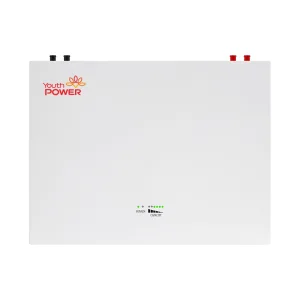
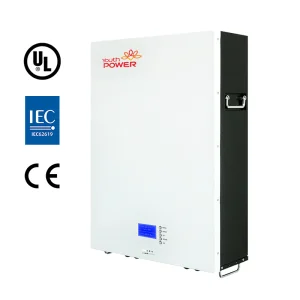
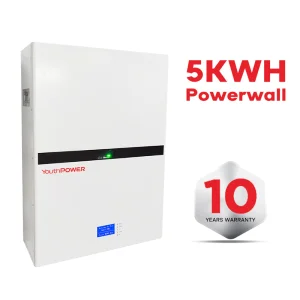
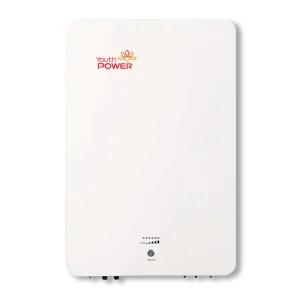
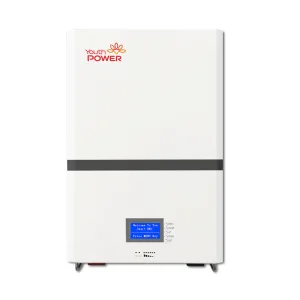
Urban Osaka features historical or compact townhouse styles where space is at a premium. Wall-mounted, ultra-thin profiles like the 5kwh Powerwall or the Balcony Solar ESS are ideal, ensuring minimal footprint while providing maximum power output.
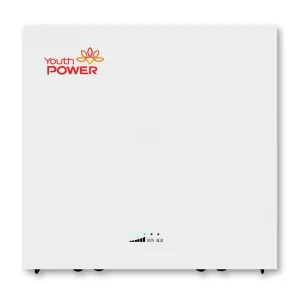
With dense residential settings in Umeda or Namba, balcony storage solutions allow urban renters and owners to harness localized solar power, storing clean energy for daily appliances and decreasing grid reliance.
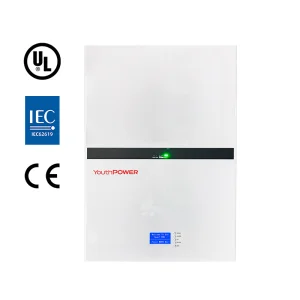
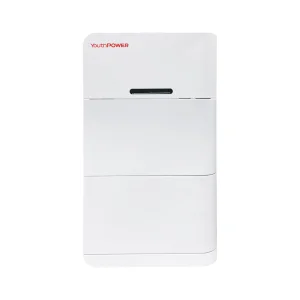
For larger residences in Toyonaka or Suita, high-voltage stackable battery systems integrated with smart Home Energy Management Systems (HEMS) provide robust energy independence and V2H (Vehicle-to-Home) compatibility.
From a small engineering team focusing on fundamental lithium chemistry in 2003, to a world-class manufacturing giant, YouthPOWER has scaled alongside the global renewable transition. Over two decades of R&D have allowed us to master battery management, cell configuration, and structural design. We continue to pioneer advancements in high-voltage residential systems, providing long-lasting, safe, and highly efficient energy storage solutions that power millions of homes today.
Scalable battery systems optimized for heavy loads, off-grid backup power, and complex microgrid topologies.
Get detailed technical insights about importing and installing residential battery storage in Osaka and the wider Kansai region.
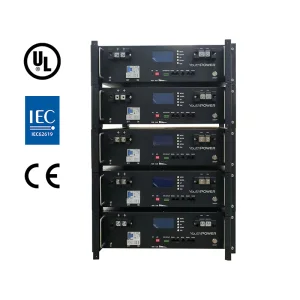
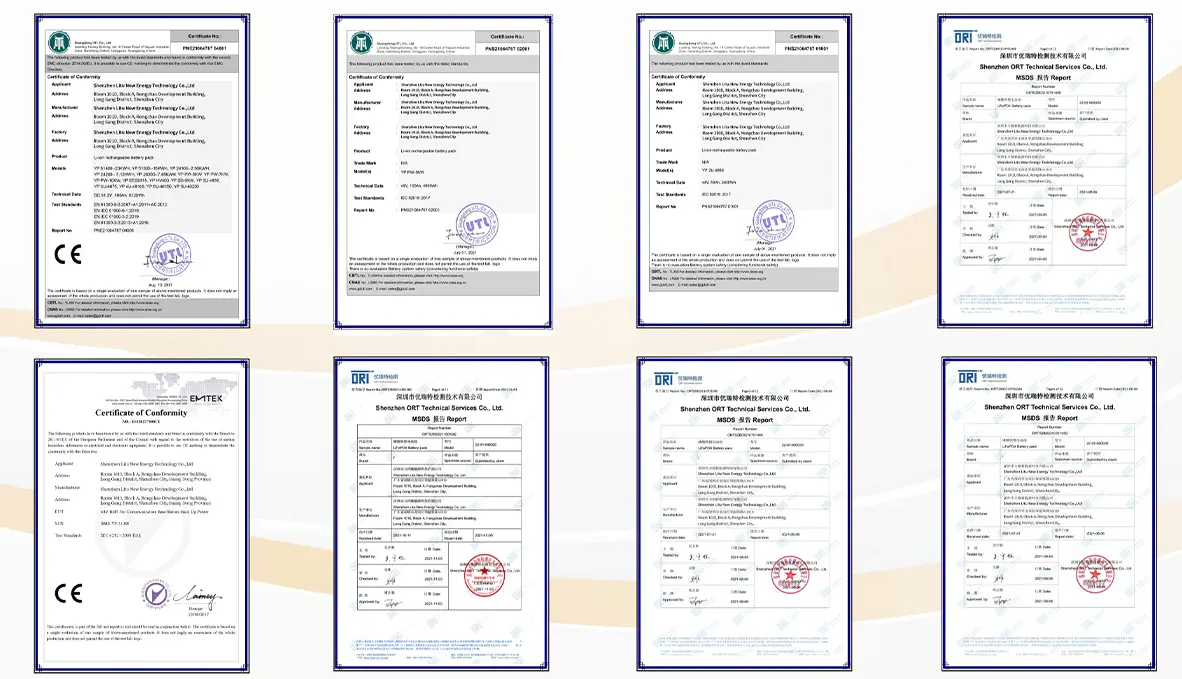
Residential batteries imported into Japan must adhere to strict safety regulations. Key certifications include METI (Ministry of Economy, Trade and Industry) registration, PSE certification, and JET (Japan Electrical Safety & Environment Technology Laboratories) standards (specifically JIS C 8715-2 for lithium-ion battery cells). Compliant products ensure legal installation and qualify for government subsidies.
The Osaka Prefectural Government and individual municipalities (such as Osaka City or Sakai City) offer active subsidies to support the purchase and installation of residential energy storage systems (BESS). These subsidies can cover up to 30-50% of the installation costs, reducing the initial payback period from over 12 years down to 5 to 7 years, depending on your solar self-consumption rate.
Lithium Iron Phosphate (LiFePO4) is highly preferred in Japan due to its superior safety features. LiFePO4 cells have high thermal runaway thresholds, making them highly resistant to fire and combustion during earthquakes or physical impacts. They also offer a longer lifespan—often exceeding 6,000 charge cycles—making them a more reliable long-term investment compared to nickel-based chemistries.
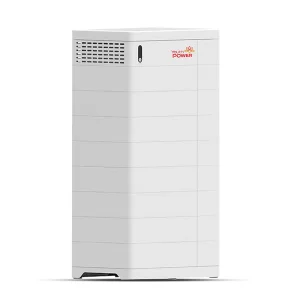
Yes. High-voltage stackable options, such as the YP BOX HV series, are specifically engineered to interface with modern hybrid inverters. This design delivers higher efficiency, lower conversion losses, and simplified installation protocols, making it suitable for modern Japanese smart homes (ZEH - Net Zero Energy Houses).
Our Factory 4.0 automation optimizes raw material usage and minimizes manufacturing defects through advanced robotics. By establishing direct contracts with core raw material miners and maintaining complete automated control over assembly, we eliminate middleman markups and insulate Japanese buyers from international supply shocks, passing the cost savings directly to importers.
 YouthPOWER