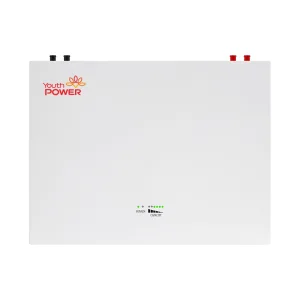
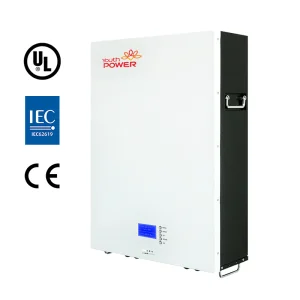
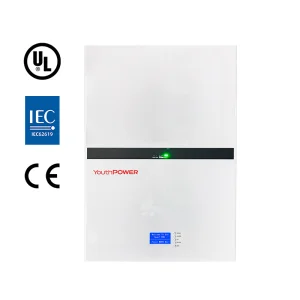
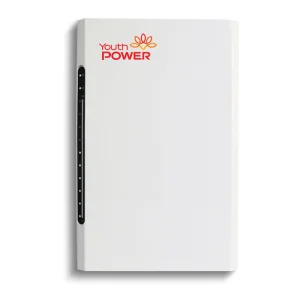
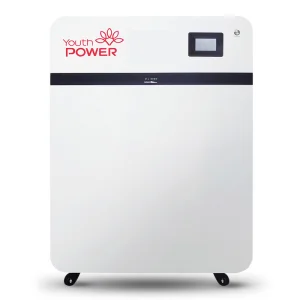
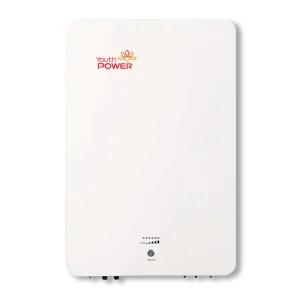
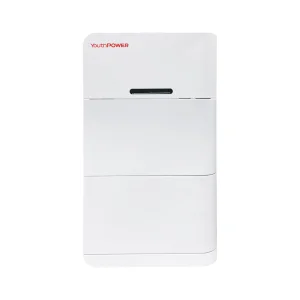
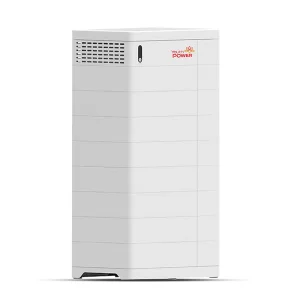
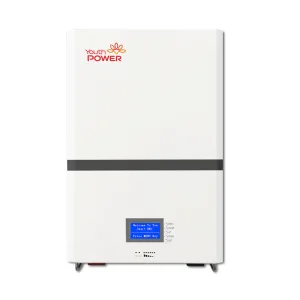
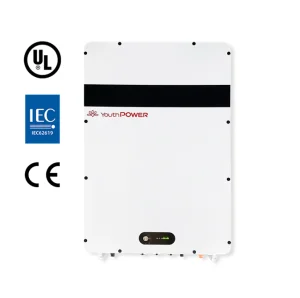
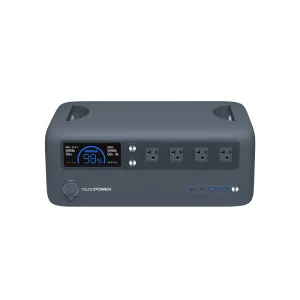
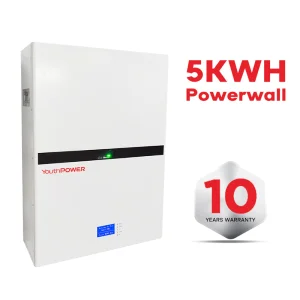
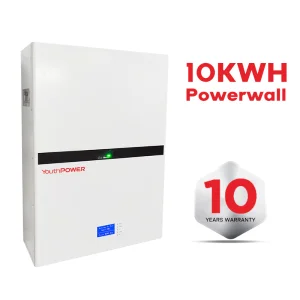
High-performance lithium iron phosphate (LiFePO4) storage designs engineered for immediate grid compatibility across North & South Islands.
New Zealand's electricity landscape is undergoing a monumental shift. Characterized by high hydro-generation capacity but susceptible to dry-year risk, transmission bottlenecks, and extreme weather events like Cyclone Gabrielle, the national grid (managed by Transpower) is seeing increased vulnerability. Consequently, retail electricity pricing for residential consumers in areas like Auckland, Christchurch, and Wellington has steadily climbed, with peak tariffs often exceeding 35–40 cents per kWh.
This dynamic has transformed home battery energy storage systems (BESS) from a luxury eco-conscious purchase into an essential financial safeguard. By pairing photovoltaic (PV) systems with lithium iron phosphate (LiFePO4) residential batteries, Kiwi homeowners can achieve energy sovereignty, shield themselves from rising peak power costs, and provide backup during severe grid outages. Under the AS/NZS 5139 safety standard framework, battery installations must meet rigid thermal isolation and electrical configuration parameters, putting the spotlight on premium, certified manufacturers who can provide certified reliability without astronomical costs.
For distributors and solar installers across New Zealand, the key bottleneck has historically been high landed hardware costs. Traditional European and North American residential battery options push the Levelized Cost of Storage (LCOS) to unfeasible levels. To capture the rapidly growing NZ market, sourcing directly from global factories with optimized supply chains is the only way to deliver competitive pricing and rapid return on investment (ROI) for homeowners.
On a global scale, the stationary energy storage sector has decisively transitioned away from Nickel Manganese Cobalt (NMC) chemistries in favor of Lithium Iron Phosphate (LiFePO4). The reasons are clear: thermal runaway thresholds, raw material sustainability, and cycle lifespan. While NMC chemistries present higher energy density suited for electric vehicles, LiFePO4 offers unmatched structural and thermal stability, crucial for residential settings where batteries reside in garages, utility closets, or external house walls.
Internationally, grid instability, geopolitical tensions, and carbon-neutral policies (such as Europe’s REPowerEU and USA's Inflation Reduction Act) have caused global demand to skyrocket. This global crunch has incentivized manufacturing automation, leading to massive economies of scale. High-voltage (HV) stackable battery systems and modular low-voltage (LV) systems have emerged as the two primary architectures. High-voltage systems (ranging from 200V to 600V) integrate seamlessly with high-efficiency hybrid inverters, slashing conversion losses, whereas low-voltage 48V/51.2V modular racks remain the gold standard for robust off-grid configurations and retrofitted solar systems.
By maximizing throughput efficiency and leveraging high cycle lives, our advanced factory processes ensure that the net cost per kilowatt-hour stored over 10-15 years remains at an absolute global minimum.
Utilizing high-grade prismatic cells paired with sophisticated Battery Management Systems (BMS), ensuring cells operate safely even under fluctuating temperatures or extreme seismic stress.
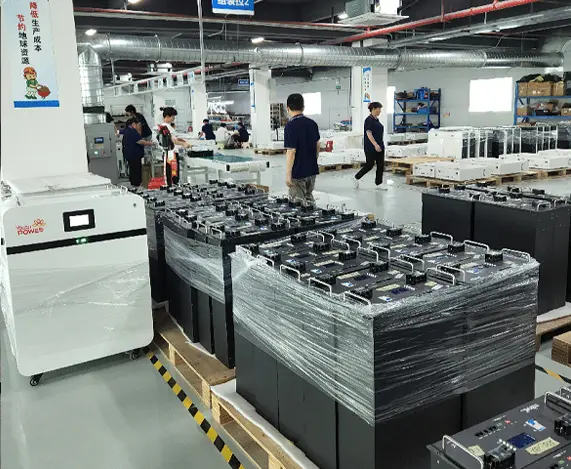
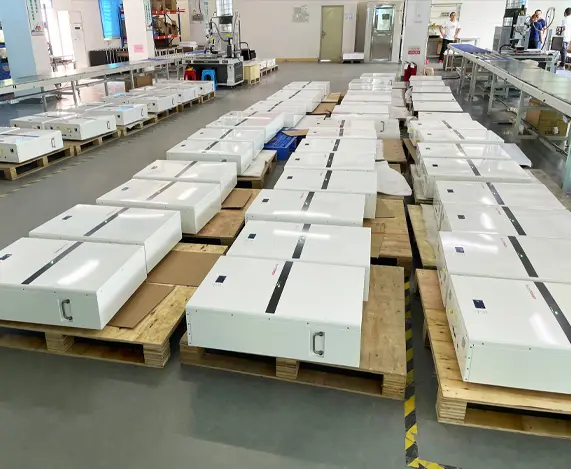
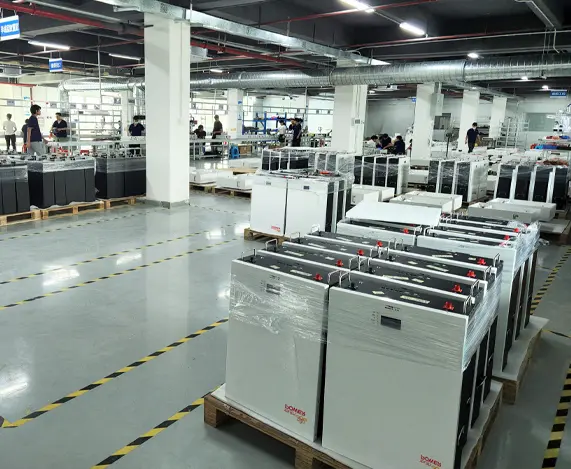
China is home to over 75% of the world's lithium-ion battery manufacturing capacity. The absolute dominance of Chinese manufacturing is not merely a matter of lower labor costs; it is driven by deep ecosystem integration, raw material refining proximity, advanced automation engineering, and massive vertical consolidation. From the synthesis of lithium iron phosphate cathodes to automated cell wrapping, laser welding, and rigorous high-temperature aging chambers, Chinese smart factories run with unmatched operational precision.
This automated throughput ensures strict consistency across individual cells—minimizing capacity variance and matching impedance levels to prolong pack life. When New Zealand importers buy direct from established Chinese factory complexes like YouthPOWER, they skip intermediate domestic distribution markups of up to 45%. This permits direct access to custom OEM/ODM packaging, customizable BMS communications with regional inverter brands (such as Victron Energy, GoodWe, Growatt, and Deye), and comprehensive test reports for seamless building consent compliance locally.
| Feature Parameter | Direct Factory Import (YouthPOWER) | Local Retail Brands in NZ | Generic Wholesalers |
|---|---|---|---|
| Direct Cost Savings | Up to 40% lower cost per kWh | High local distributor margins | Moderate markup with limited support |
| BMS Customization | Flexible configuration for 15+ Inverters | Locked proprietary system ecosystem | Generic, non-upgradable firmware |
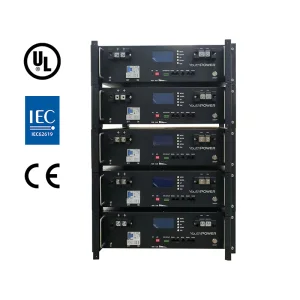
| Compliance Documentation | Full CE, UN38.3, MSDS, IEC 62619, UL 1973 | Standard compliance certificates | Incomplete or generic test certifications |
| Quality Control Protocol | 100% automated cell sorting & aging tests | Third-party brand reliance | Spot-checks with higher defect rates |
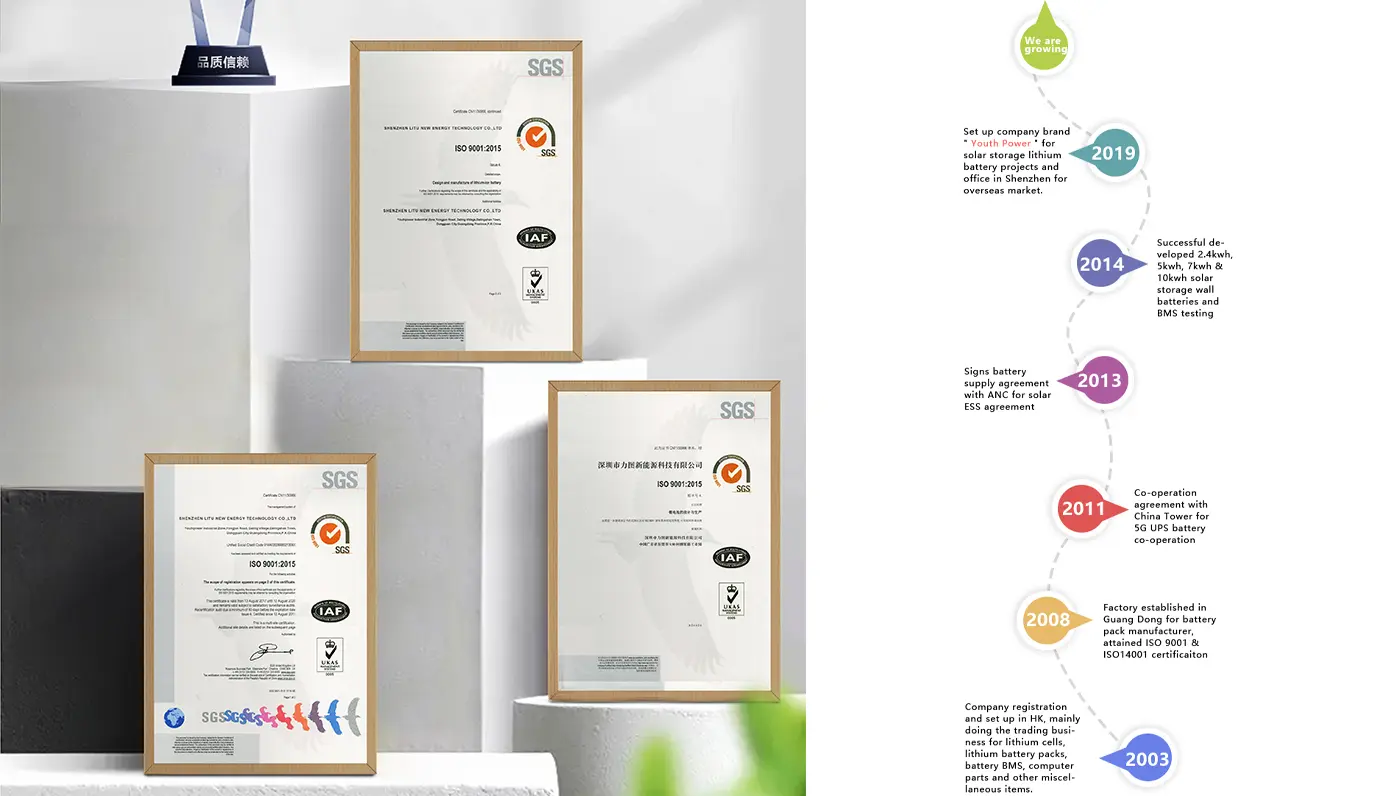
Founded in 2003, YouthPOWER has now become one of the leading suppliers of solar storage lithium batteries in the world. With a broad range of energy storage solutions, it covers a series of 24V, 48V and higher voltage lithium batteries solutions.
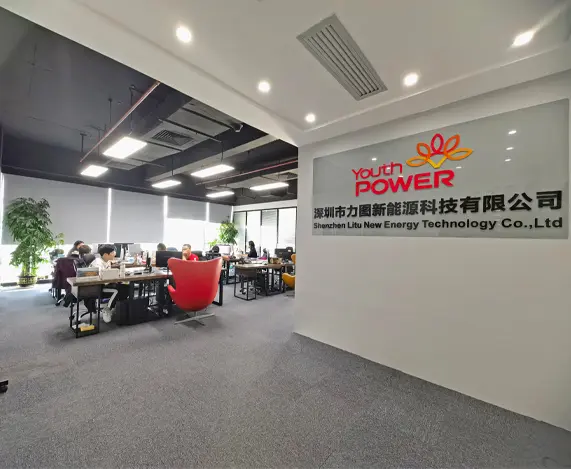
YouthPOWER has engaged in the battery technology and production for almost 20 years, with abundant manufacturing experience and strong new product R & D capability. Through many years of hard work and market promotion, we have created our own brand "YouthPOWER" in 2019.
With nearly 20 years’ experience in the battery industry, we have the capability to provide you with both the products you need and the most suitable products you want. We are always ready to supply the first-class products and meet the various needs of the customers.
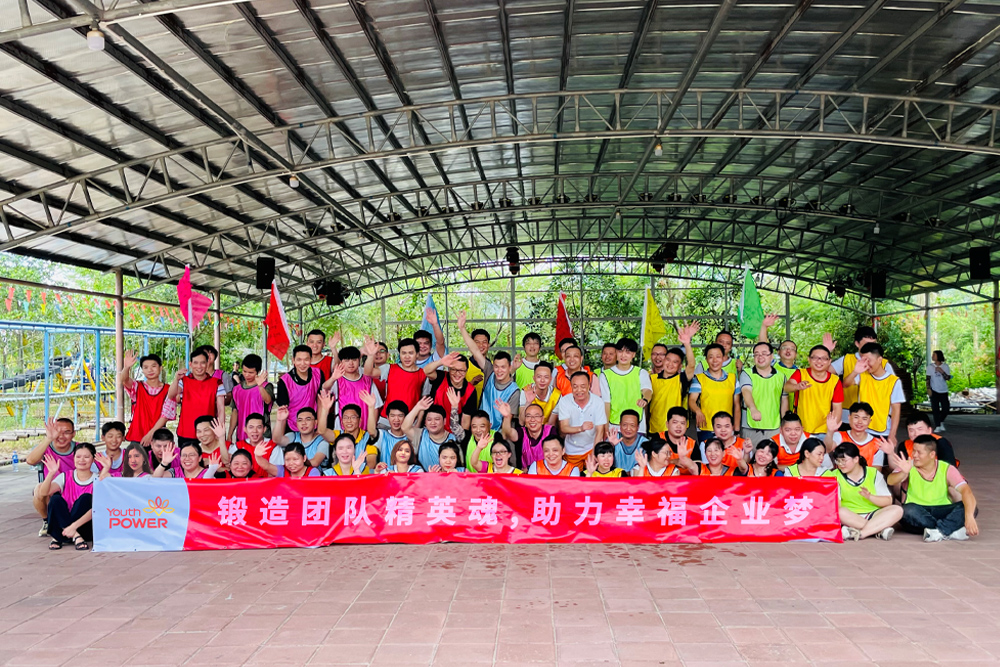
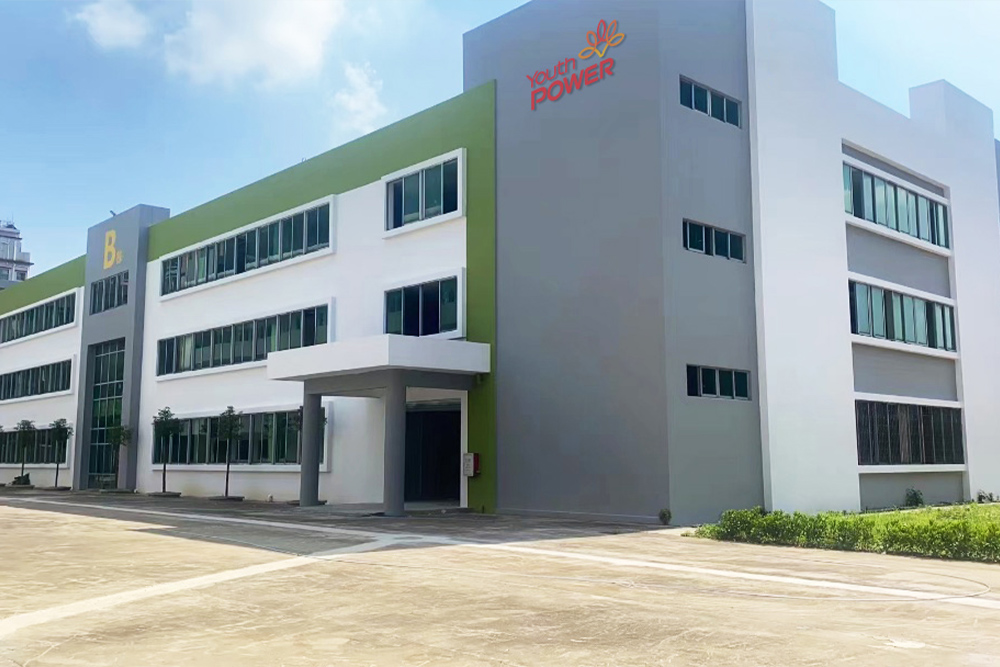
We have established good business relationships with our customers from all over the world. And we have a good cooperation with all our customers as well for many years running. Supported by our local vendors of raw materials, we can certainly offer you the best prices.
We are so proud that YouthPOWER has offered the reliable solar storage solution for over 1,000,000 families now in the world. Our engineering focus spans high-density module design, safety-oriented mechanical frameworks, and advanced cell balance algorithm development.
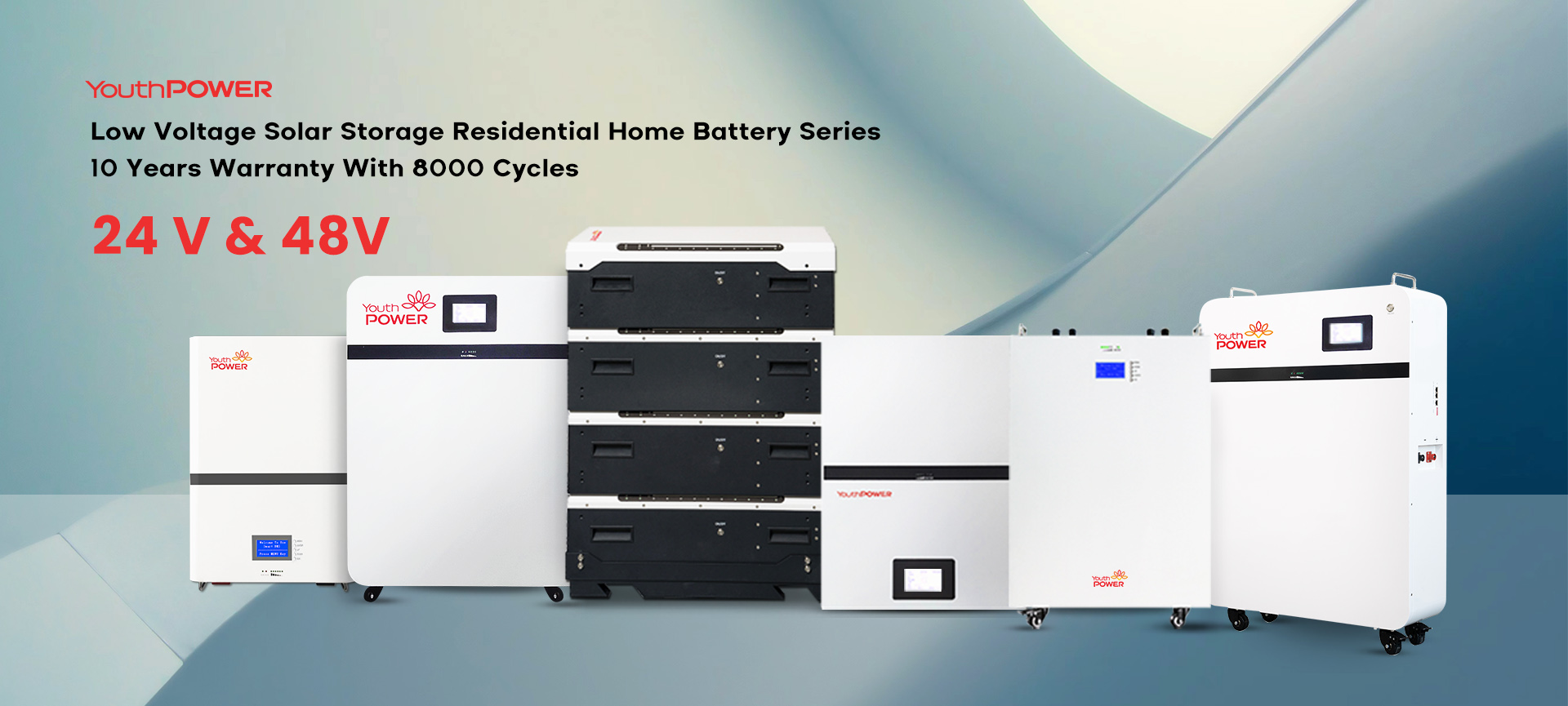
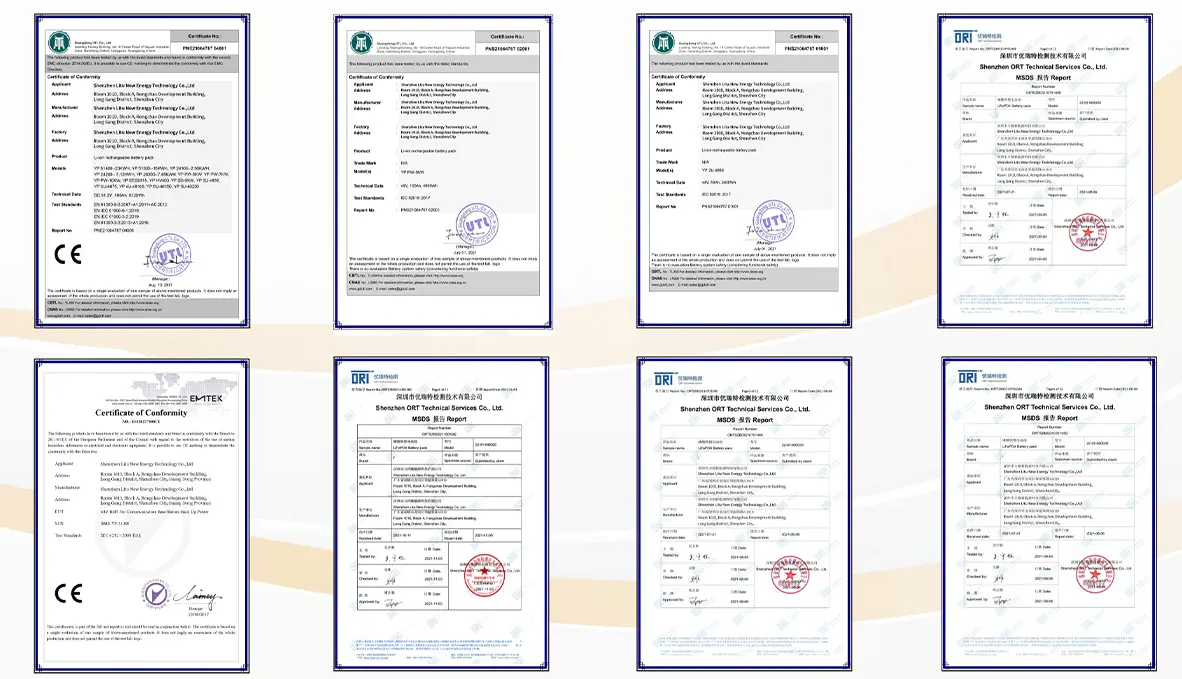
Over two decades of technological breakthrough, scaling from a specialized local cell fabricator into a world-class domestic energy storage powerhouse.
Residential battery storage requirements are not uniform; they vary dynamically depending on geographic location and grid conditions across New Zealand:
When buying residential batteries, understanding the total cost of ownership (TCO) requires distinguishing between the factory FOB price, ocean shipping, local customs/import clearance fees, GST (15% in New Zealand), and the final installation cost by a registered electrician. Sourcing directly from the manufacturer drastically minimizes middle-tier markups.
A typical local retail price for a generic 10kWh battery can easily exceed NZD $11,000 to $14,000 excluding installation. In contrast, importing directly from a reliable factory can drop the component hardware cost by up to 35% to 50%. This enables installers and developers to offer comprehensive, high-value packages (such as solar panels, inverter, and storage) at prices that dramatically accelerate system ROI, dropping payback periods down to 6–8 years.
Expert technical answers regarding regulatory compliance, pricing structures, and installation requirements in New Zealand.
Yes. All of our residential batteries are built to comply with global safety rules and undergo rigorous testing. They hold certifications such as IEC 62619, CE, and UN38.3. This ensures that a qualified NZ electrician can easily integrate our packs in accordance with AS/NZS 5139:2019 guidelines, including the necessary clearances, protective barriers, and ventilation procedures.
We routinely manage ocean freight logistics directly to main New Zealand ports, including Port of Auckland, Lyttelton Port (Christchurch), and Port of Tauranga. We provide all essential shipping documents, including MSDS and Dangerous Goods (DG) packing declarations, ensuring smooth customs processing and hassle-free domestic transport.
Our intelligent smart-BMS system comes pre-programmed with multiple communication protocols. It supports seamless CAN and RS485 communication with industry-standard hybrid inverters, including Victron Energy, Deye, SMA, Fronius, Growatt, GoodWe, Solis, and many other leading global brands.
Our premium grade prismatic LiFePO4 cells are rated for over 6,000 charge-discharge cycles at 80% Depth of Discharge (DoD) under moderate ambient temperatures. We offer a comprehensive factory-backed warranty of up to 10 years, ensuring long-term reliability and support for residential installations.
The total price is determined by battery capacity (kWh), system voltage design (high voltage vs. low voltage), mounting options (wall-mounted vs. stackable floor cabinets), cable runs, inverter compatibility upgrades, and installer labor costs. Sourcing directly from our factory significantly lowers the base hardware cost, making overall installations much more affordable.
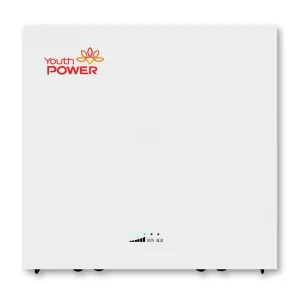
Explore our diverse lineup of premium LiFePO4 battery modules, wall mounts, stackables, and high-voltage factory solutions.
 YouthPOWER