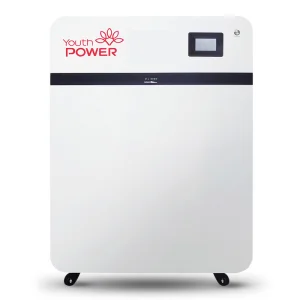
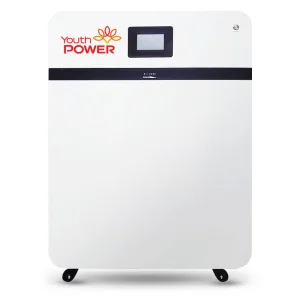
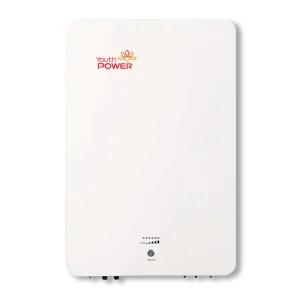
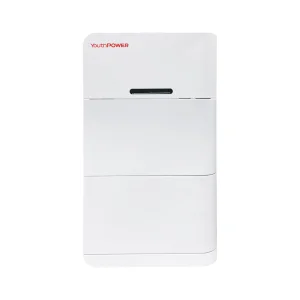
Empowering the Peruvian Solar Transition with Advanced High-Performance LiFePO4 Energy Storage Systems (ESS)
Send Inquiry NowPeru's geographical diversity—ranging from the high-altitude Andean peaks of Cusco and Arequipa to the remote Amazonian basins of Loreto and Ucayali, alongside the heavily populated coastal strip of Lima—presents unique challenges to the National Interconnected Electrical System (SEIN). While central metropolitan hubs experience moderate stability, suburban and rural communities face frequent power dropouts, voltage fluctuations, and high transmission line losses.
Residential battery systems serve as the ultimate stabilizer, shifting peak energy generated via local solar arrays to offset expensive, high-tariff evening hours. This transition is not merely a convenience but a necessity for grid-edge communities.
Southern Peru boasts some of the highest Global Horizontal Irradiation (GHI) values in South America, frequently exceeding 6.5 kWh/m²/day. Despite these stellar conditions, the residential solar penetration rate remains low due to historical reliance on centralized natural gas and hydro.
However, rising local retail electricity tariffs, combined with decreasing global lithium battery cell prices, have driven the Levelized Cost of Storage (LCOS) below the utility grid rate. Forward-looking Peruvian developers are now integrating residential energy storage systems (ESS) as a standard offering for luxury residential builds and eco-resorts.
In high-density districts of Lima, Callao, and Trujillo, multi-tier residential tariff schemes penalize heavy power usage between 6:00 PM and 11:00 PM. High-voltage stackable lithium systems allow homeowners to discharge stored clean solar power during peak pricing windows, delivering significant monthly utility savings.
Altitudes exceeding 3,000 meters above sea level (in Cusco, Puno, and Huancayo) suffer from lower atmospheric density and rapid temperature fluctuations. Specially designed BMS structures with active thermal balancing manage heat dissipation efficiency, ensuring long cell lifespans in cold, thin-air environments.
Isolated communities deep in the Peruvian Amazon rely on unstable diesel microgrids. Waterproof residential solar storage systems with IP65-rated enclosures resist high relative humidity and potential biological degradation, providing stable, independent 24/7 power.
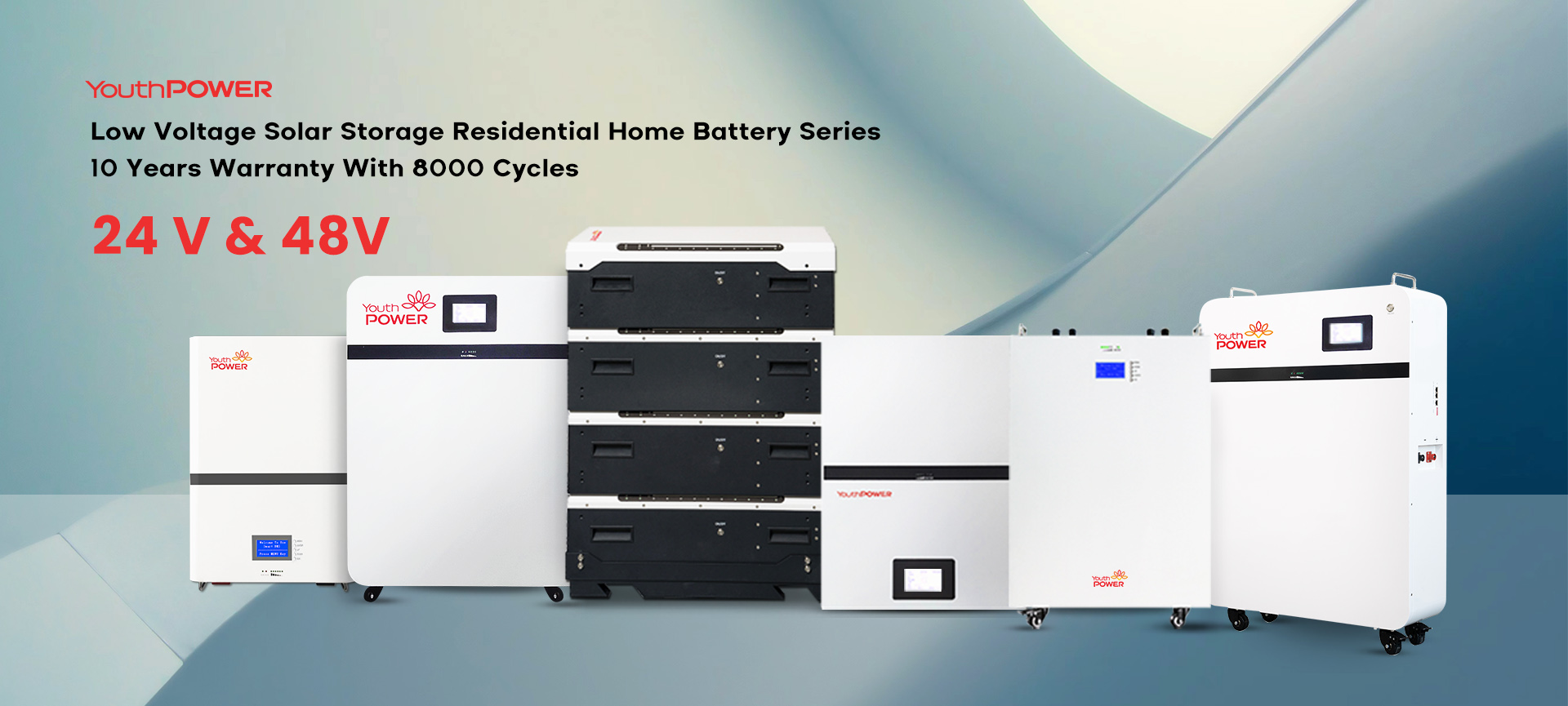
Modern residential energy storage relies heavily on Lithium Iron Phosphate (LiFePO4) chemistry. Unlike traditional cobalt-based lithium-ion cells (NMC/LCO), LiFePO4 cells are highly resistant to thermal runaway. They feature an exceptionally high decomposition temperature of 600°C, making them inherently safe for residential installations inside garages, utility closets, or exterior walls.
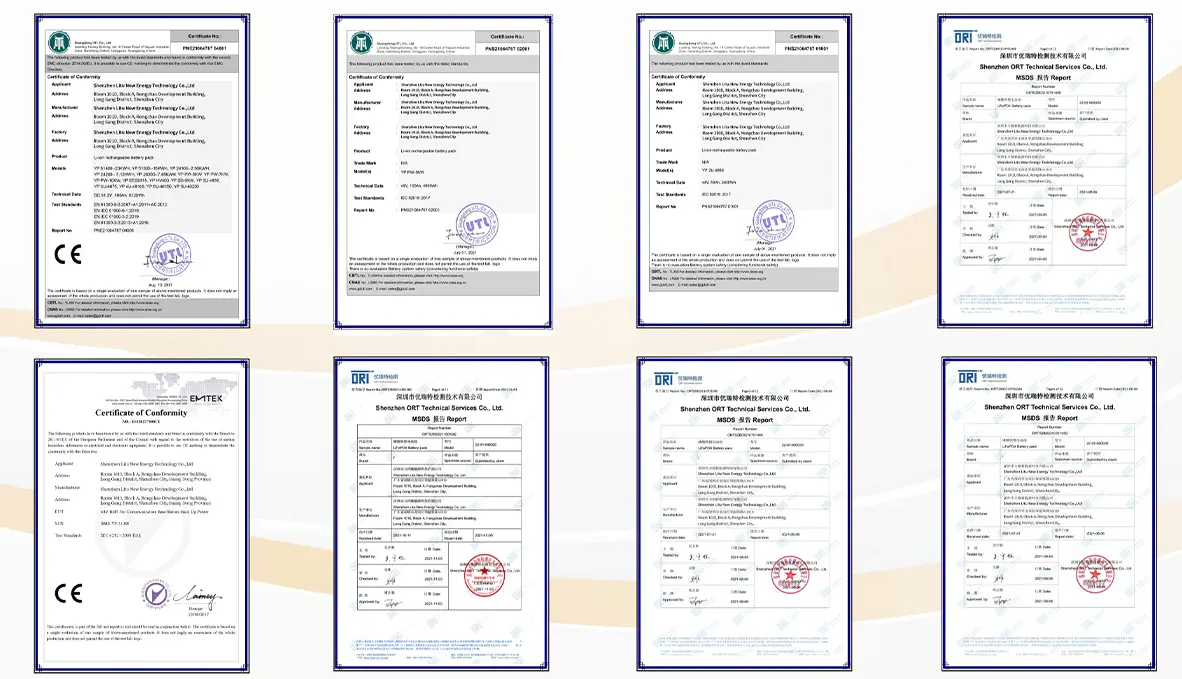
Additionally, YouthPOWER integrates advanced Smart BMS protocols capable of communicating seamlessly with leading inverters globally, such as Deye, Growatt, Victron Energy, GoodWe, and LXP. This multi-brand inverter integration simplifies installations for Peruvian solar contractors and B2B distributors.
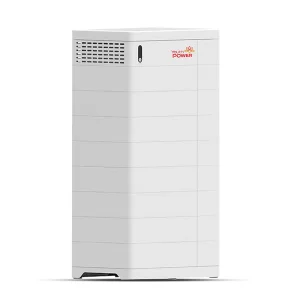
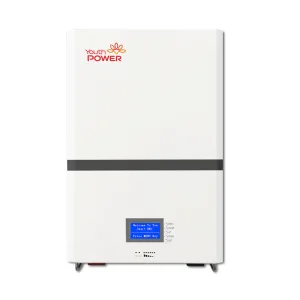
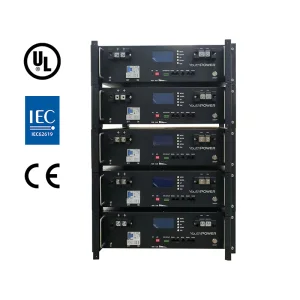
The standard residential market in Peru is transitioning into two distinct architectural routes:
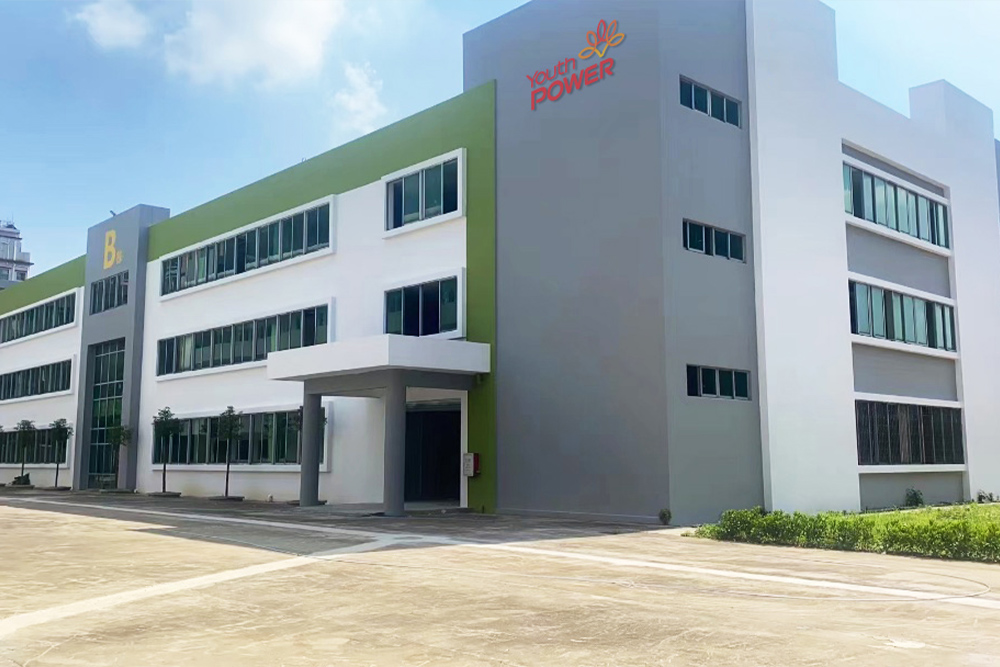
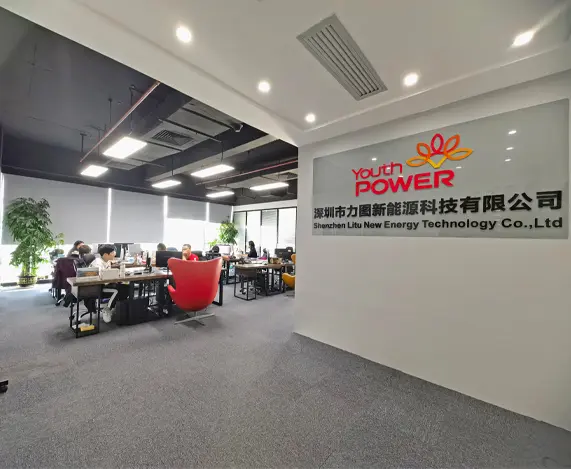
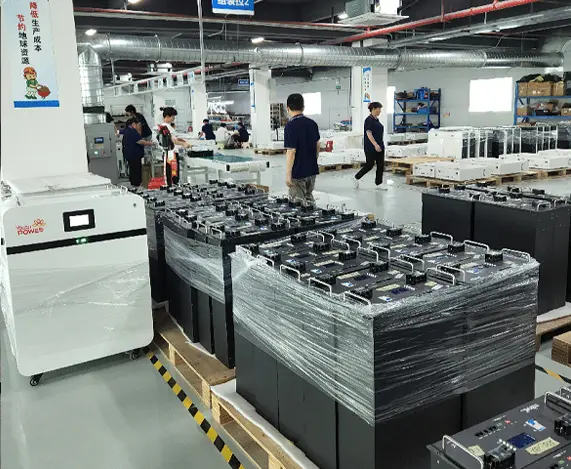
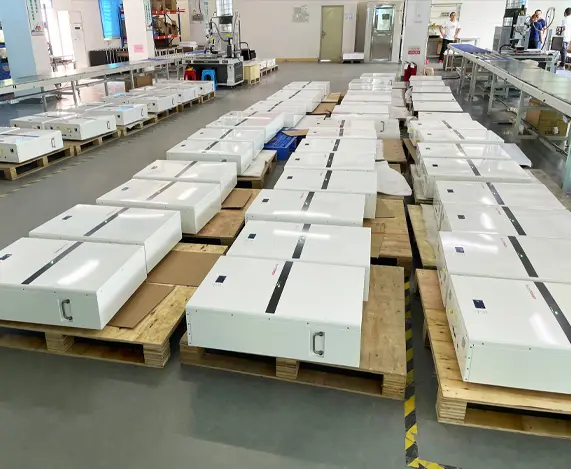
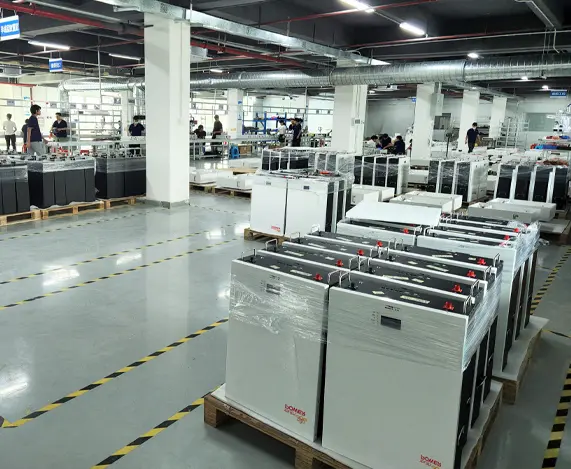
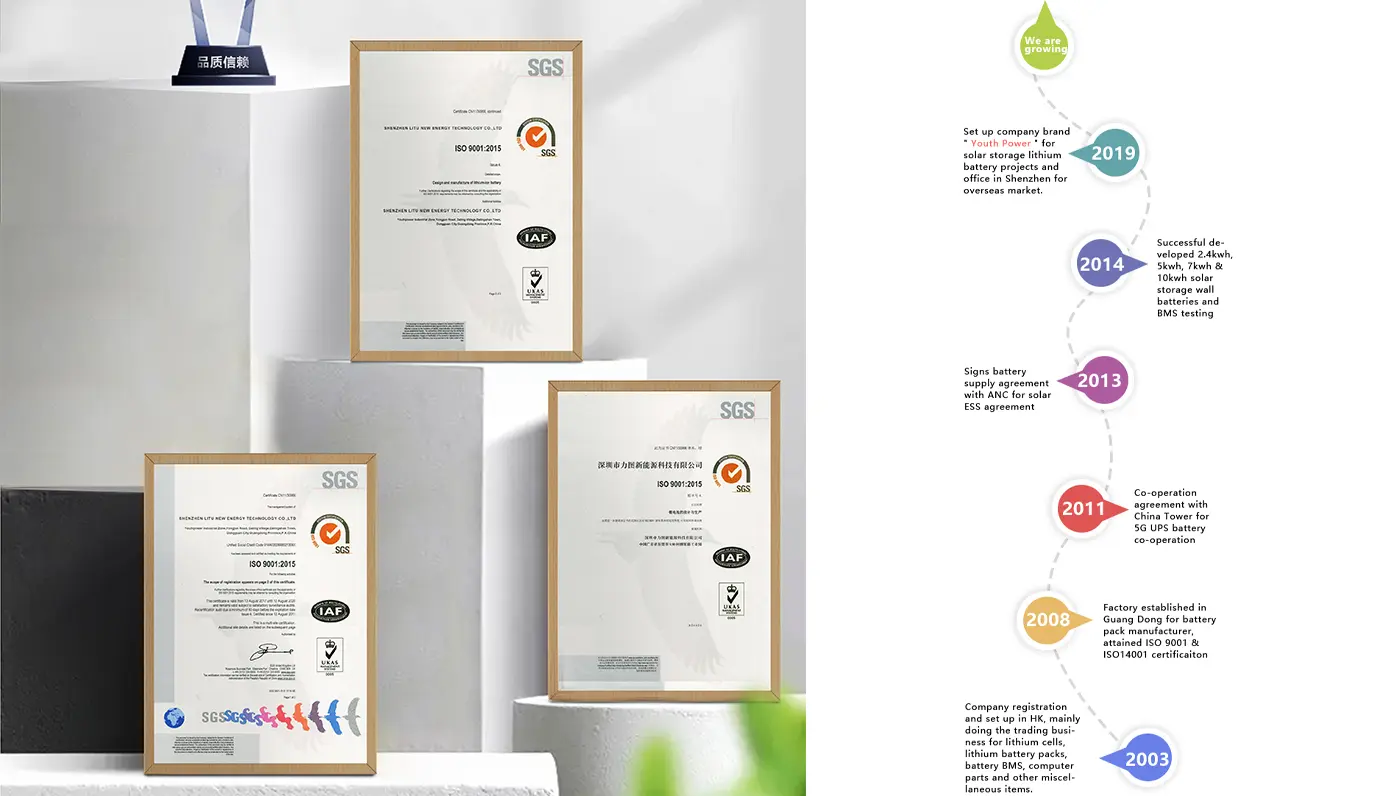
Founded in 2003, YouthPOWER has now become one of the leading suppliers of solar storage lithium batteries in the world. With a broad range of energy storage solutions, it covers a series of 24V, 48V and higher voltage lithium batteries solutions.
YouthPOWER has engaged in the battery technology and production for almost 20 years, with abundant manufacturing experience and strong new product R & D capability. Through many years of hard work and market promotion, we have created our own brand "YouthPOWER" in 2019.
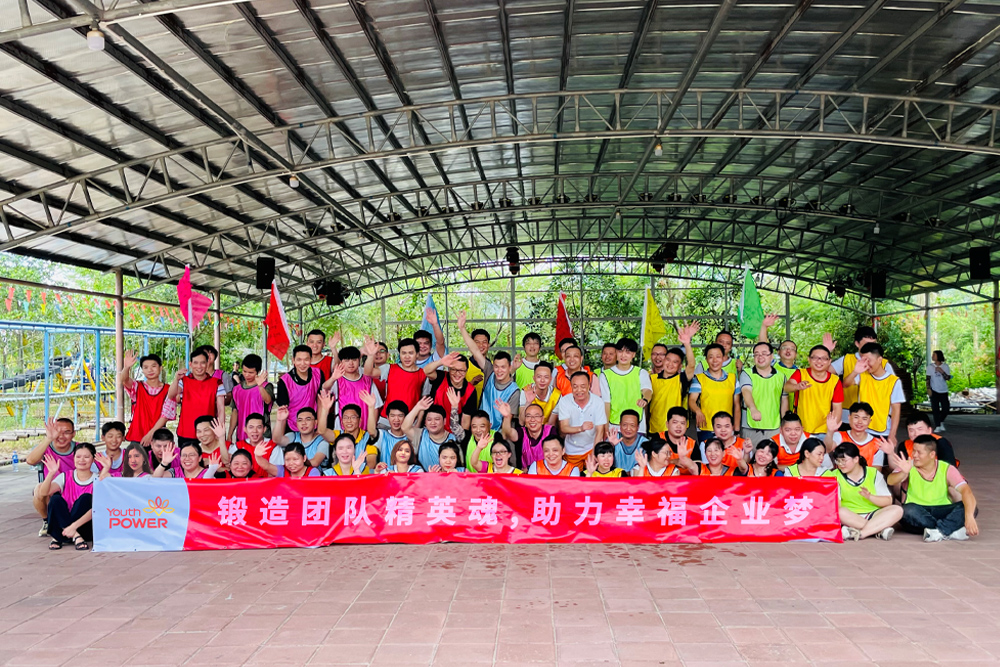
We have established good business relationships with our customers from all over the world. And we have a good cooperation with all our customers as well for many years running. Supported by our local vendors of raw materials, we can certainly offer you the best prices.
We are so proud that YouthPOWER has offered the reliable solar storage solution for over 1,000,000 families now in the world.
 YouthPOWER