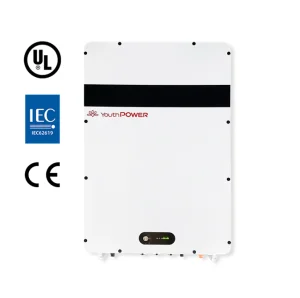
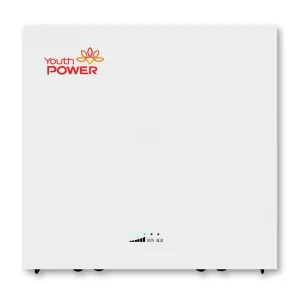
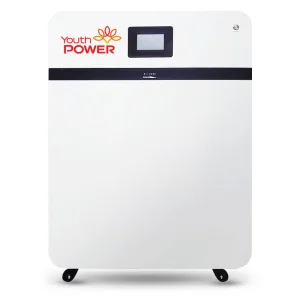
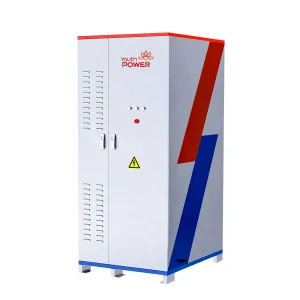
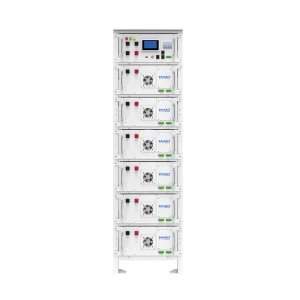
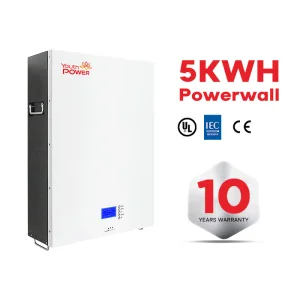
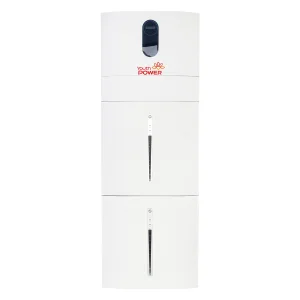
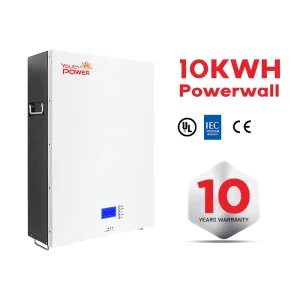
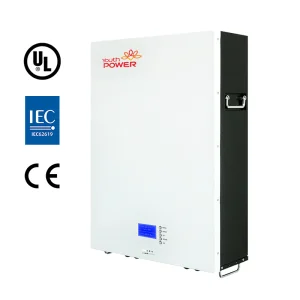
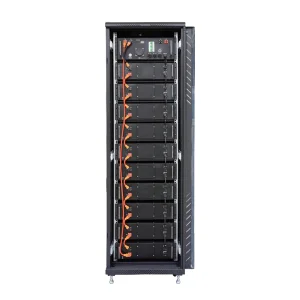
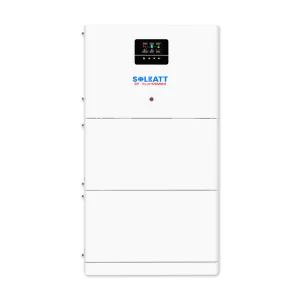
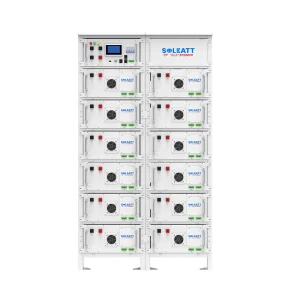
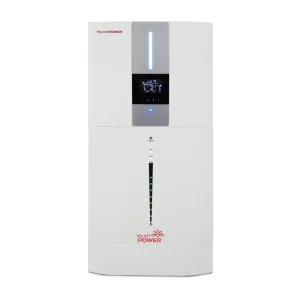
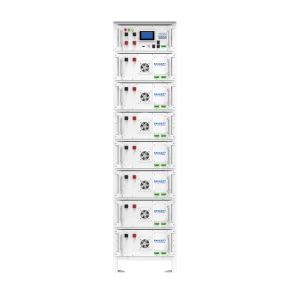
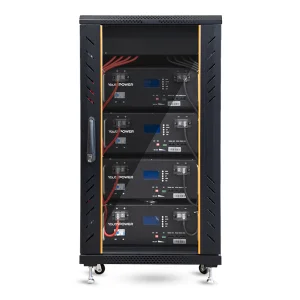
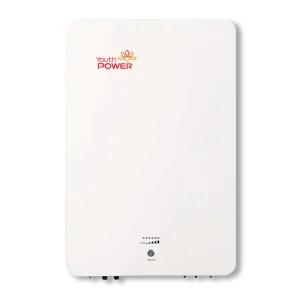
In the rapidly changing landscape of global energy storage systems (ESS), the demand for high-capacity, space-optimized, and chemically stable battery storage modules has surged dramatically. Specifically, the 200Ah lithium battery configuration (commonly running at 12V, 24V, 48V, or 51.2V systems) has cemented itself as the industrial sweet spot for both high-end residential applications and decentralised commercial energy storage platforms.
Historically, lead-acid batteries (specifically AGM and Gel cells) were the dominant solution for back-up applications. However, their physical footprint, high weight, low depth of discharge (DoD) limitations of 50%, and poor thermal runaway tolerances made them structurally unsuitable for modern electrical grids. The chemical transition to Lithium Iron Phosphate (LiFePO4) chemistry has enabled installers and commercial purchasers to unlock up to 95% DoD, realize more than 6,000 charge/discharge cycles, and minimize maintenance expenses down to effectively zero over a 10-to-15-year lifecycle.
Information Gain Concept: Unlike standard marketing claims, a 200Ah battery system operating at 51.2V yields exactly 10.24 kWh of nominal electrical energy capacity. When evaluating a supplier, checking their continuous discharge rate capability (measured in C-ratings, typically 0.5C or 1C) is vital to preventing pre-mature degradation of the cell internal structure during heavy load events.
B2B buyers, EPC installers, and utility project managers looking to procure lithium battery systems in volume face complex technical trade-offs. The key procurement requirements center around three critical pillars: cell grading verification, communication protocol compatibility, and compliance with local grid regulations.
The global market is flooded with lower-cost battery systems that hide a critical defect: Grade B or repurposed electric vehicle (EV) cells. Grade A cells are brand new, display matching internal impedance characteristics, and exhibit zero capacity loss during initial factory testing. Procurement managers must demand original test reports containing the Capacity, Voltage, and AC Internal Resistance (ACIR) values for every batch of 200Ah cells.
A premium 200Ah lithium system is only as capable as its BMS. For commercial installations, the BMS must provide multi-inverter protocol support. The system should organically interface with leading global inverters (including Victron Energy, Growatt, Deye, SMA, Studer, and GoodWe) via dual CAN/RS485 communication channels. This prevents "communication loss" faults, ensuring accurate state of charge (SoC) data is conveyed to the central control module.
The versatility of the 200Ah capacity profile allows it to perform seamlessly across multiple macro-level applications. By combining individual 200Ah racks in parallel config pipelines, system integrators can deploy energy banks scaling from 10 kWh up to several Megawatt-hours (MWh).
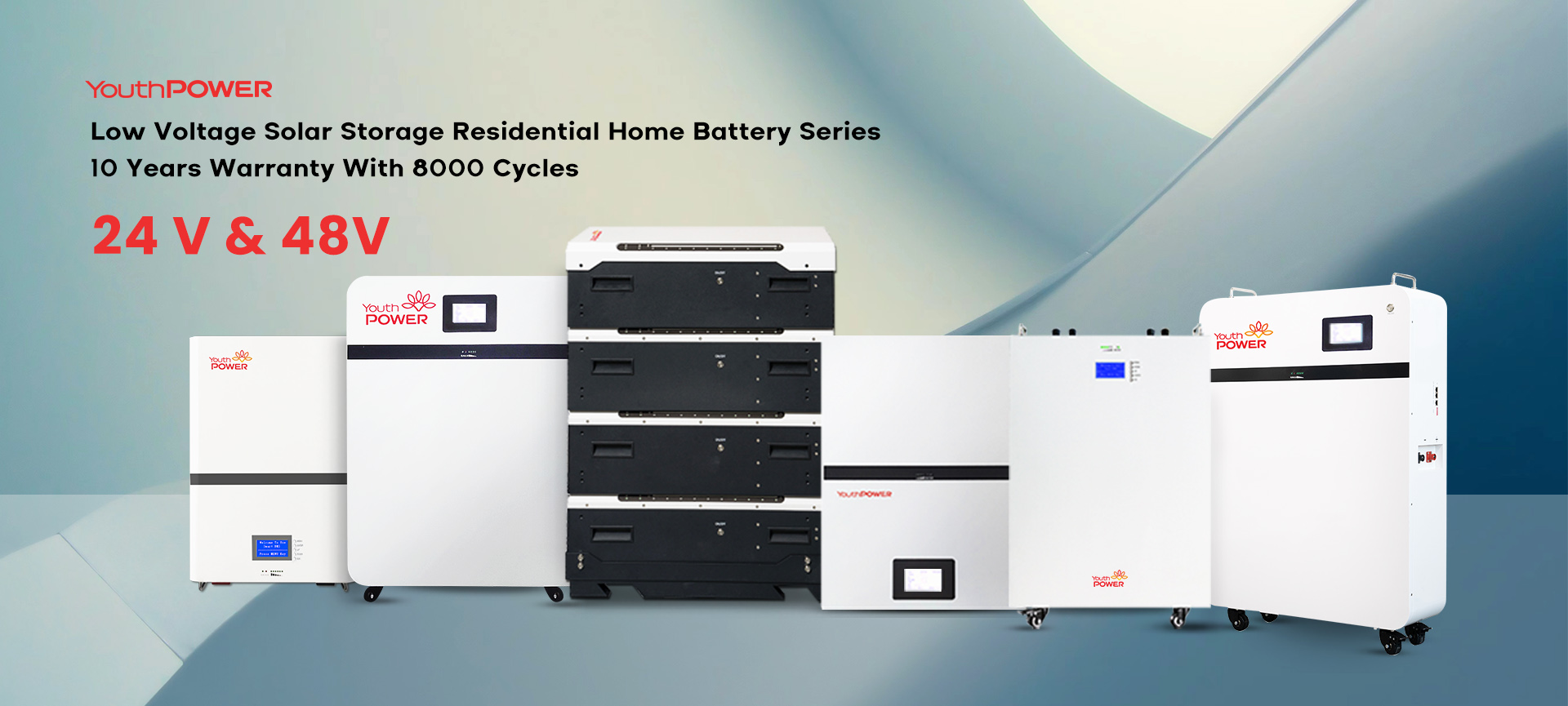
Founded in 2003, YouthPOWER has now evolved into one of the leading suppliers of solar storage lithium batteries in the world. With a broad range of energy storage solutions, it covers a series of 24V, 48V, and higher voltage lithium battery systems designed for industrial, residential, and off-grid settings.
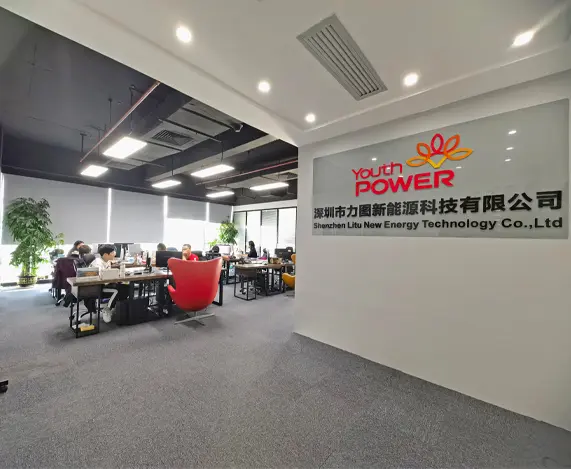
YouthPOWER has engaged in advanced battery technology and production for almost 20 years, with abundant manufacturing experience and a strong R&D team. Through many years of hard work, engineering innovation, and global market promotion, we created our signature brand "YouthPOWER" in 2019.
We have established strong business relationships with our customers from all over the world. Our longevity in the field is bolstered by our reliable local vendors of raw materials, ensuring we can consistently offer the best wholesale prices to our global network of distributors and B2B buyers. We are proud to say that YouthPOWER has delivered reliable solar storage systems to over 1,000,000 families globally.

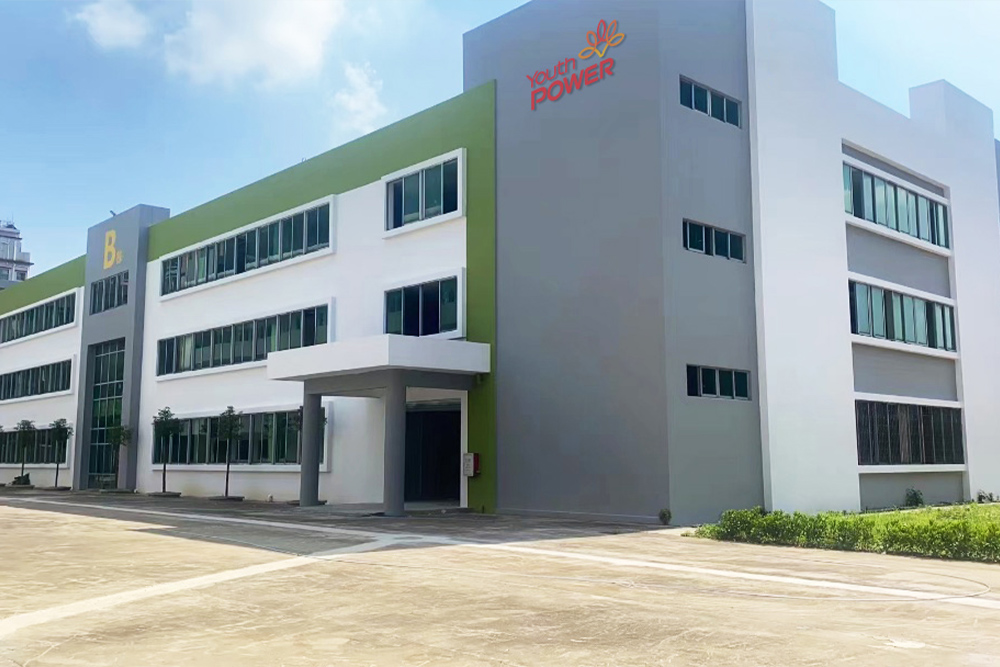
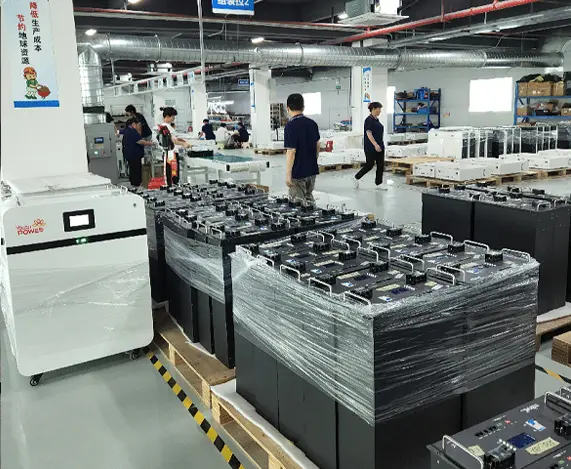
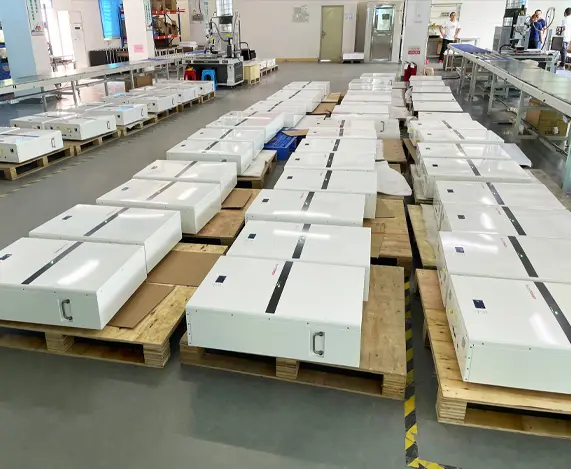
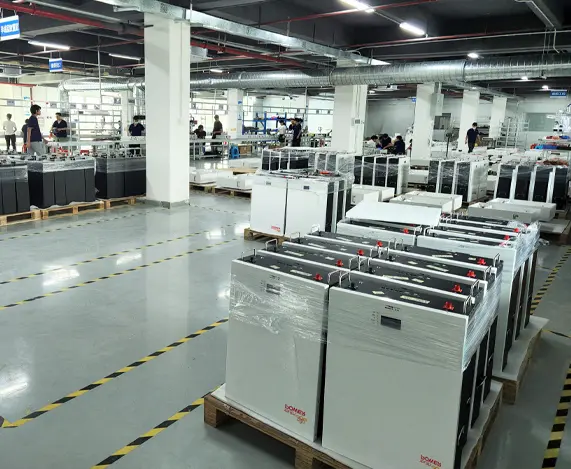
Our journey is marked by two decades of technological transitions. From early NiCd/NiMH research in 2003 to developing robust lithium iron phosphate chemistry and establishing the YouthPOWER global brand in 2019, our growth trajectory is focused on continuous innovation.
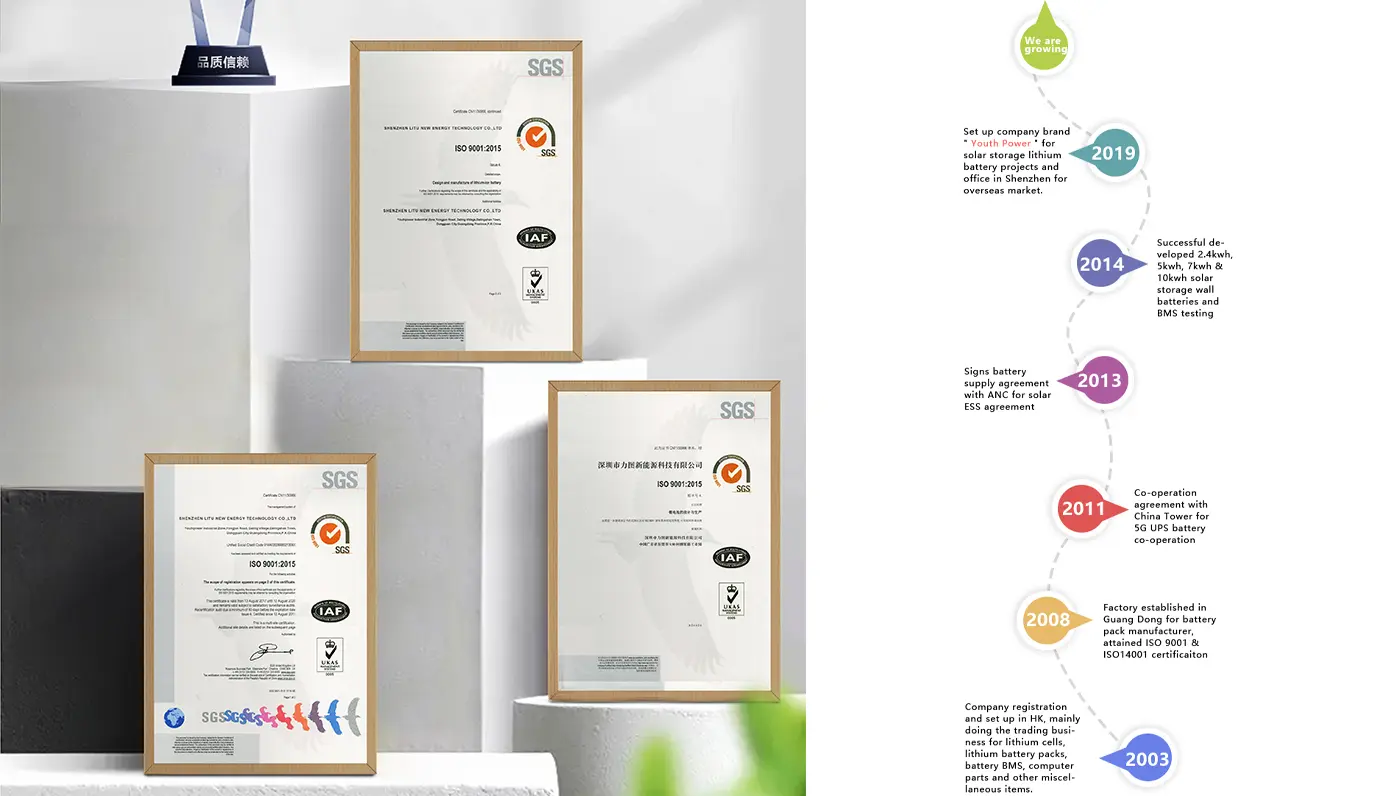
The lithium battery sector is undergoing a massive transformation, shifting from basic electrochemical storage systems to smart, grid-interactive assets. Over the next decade, three core technological improvements will redefine the utility of 200Ah lithium systems:
Modern lithium cell manufacturers are pushing the boundaries of spatial optimization. By transitioning to thinner, wider prismatic formats, manufacturers can reduce raw packaging materials by 15%, improving volumetric energy density (Wh/L). This allows a 200Ah battery to occupy the historical footprint of a 100Ah module.
Next-generation BMS units leverage edge-computing algorithms to assess the degradation patterns of individual cells. By monitoring micro-deviations in temperature and voltage during charging cycles, the software can predict cell failure up to 50 cycles before it occurs, notifying system operators to perform targeted maintenance.
The industry is transitioning away from low-voltage (48V) setups to high-voltage architectures (up to 400V–800V). Connecting battery cells in series rather than parallel reduces system current, allowing the use of thinner cables and minimizing thermal losses across long-distance wiring paths.
When evaluating the 200Ah lithium battery price, it is crucial to analyze the metrics using a "Levelized Cost of Storage" (LCOS) model rather than merely comparing upfront procurement costs.
For instance, a standard lead-acid battery may cost only $300 upfront, but with a cycle life capped at 500 cycles (at 50% DoD), the true cost of energy stored over its lifespan exceeds $0.60 per kWh. Conversely, a high-quality 200Ah LiFePO4 pack, despite carrying a higher initial capital expense, operates for over 6,000 cycles at 90% DoD. This yields an LCOS of approximately $0.05 to $0.08 per kWh, making it the most financially viable option over a typical 10-year operational timeframe.
Pricing dynamics are influenced by supply chain localization, lithium carbonate raw material price indices, import tariffs, and certifications. YouthPOWER leverages direct vertical supply linkages with regional raw material vendors, allowing us to insulate our wholesale buyers from volatile price spikes.
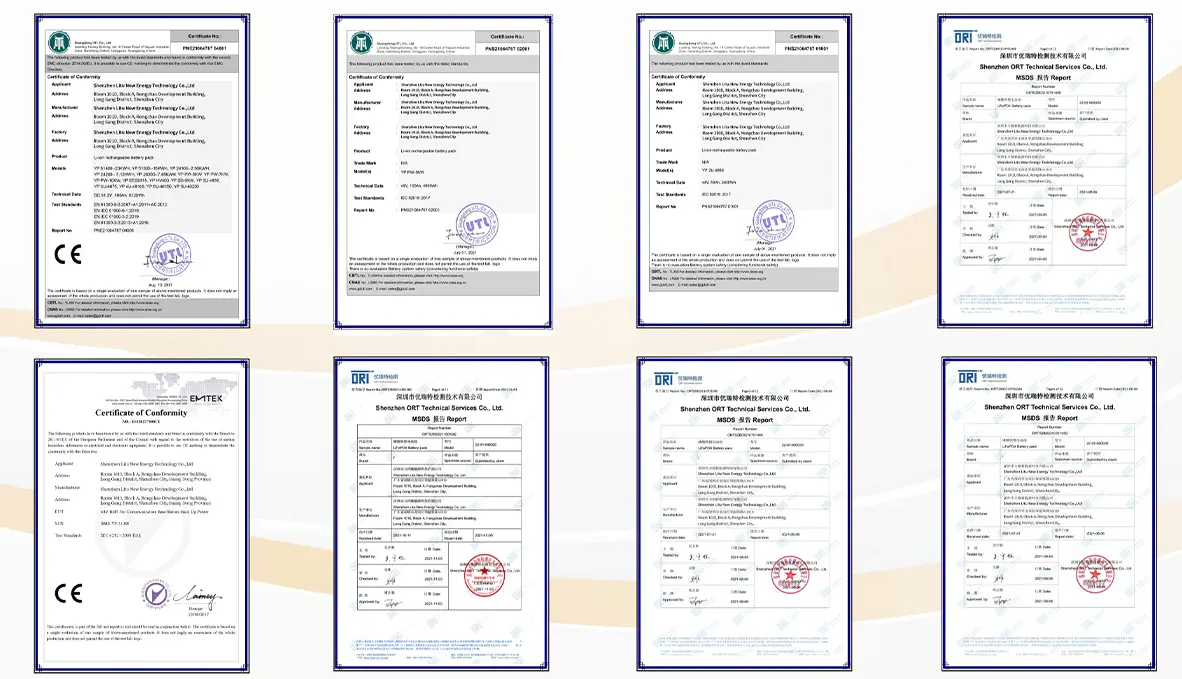
Shipping and deploying large-capacity lithium battery systems requires strict adherence to international safety and transport rules. Without proper certification, batteries can be detained at customs or rejected by local electrical safety inspectors.
 YouthPOWER