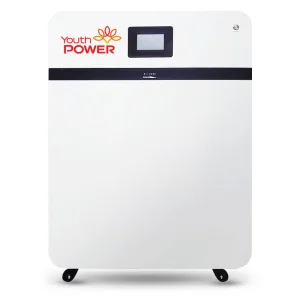
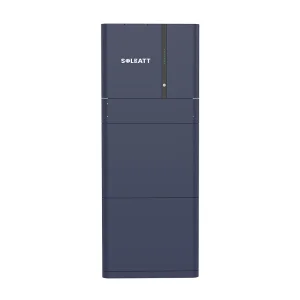
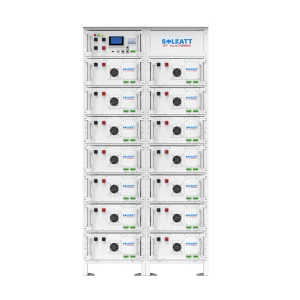
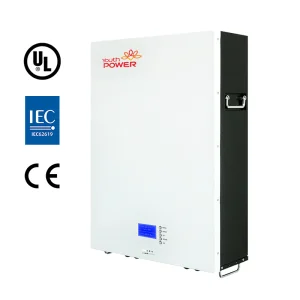
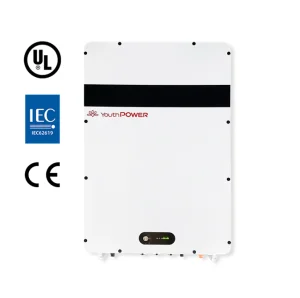
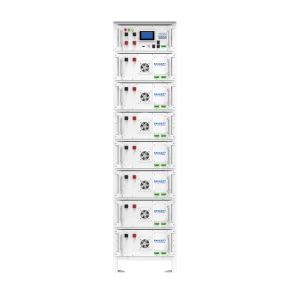
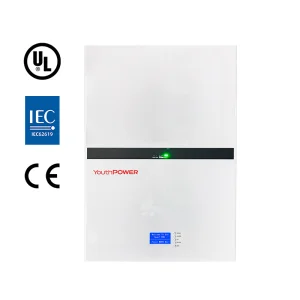
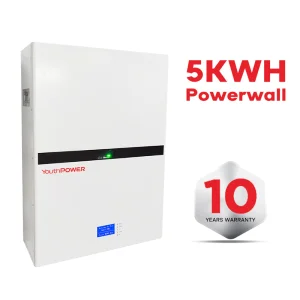
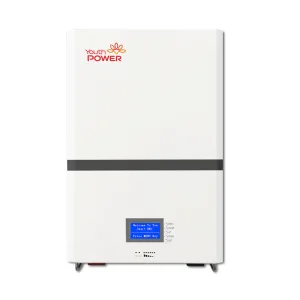
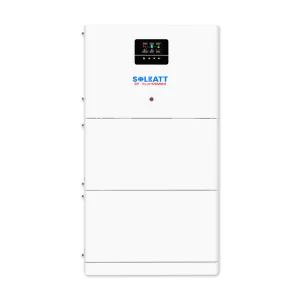
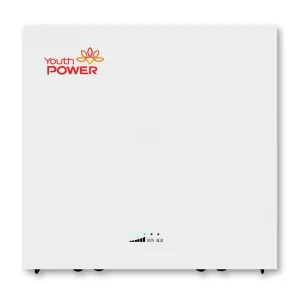
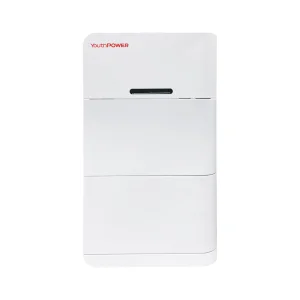
Founded in 2003, YouthPOWER has now become one of the leading suppliers of solar storage lithium batteries in the world. With a broad range of energy storage solutions, it covers a series of 24V, 48V and higher voltage lithium batteries solutions.
YouthPOWER has engaged in the battery technology and production for almost 20 years, with abundant manufacturing experience and strong new product R & D capability. Through many years of hard work and market promotion, we have created our own brand "YouthPOWER" in 2019.
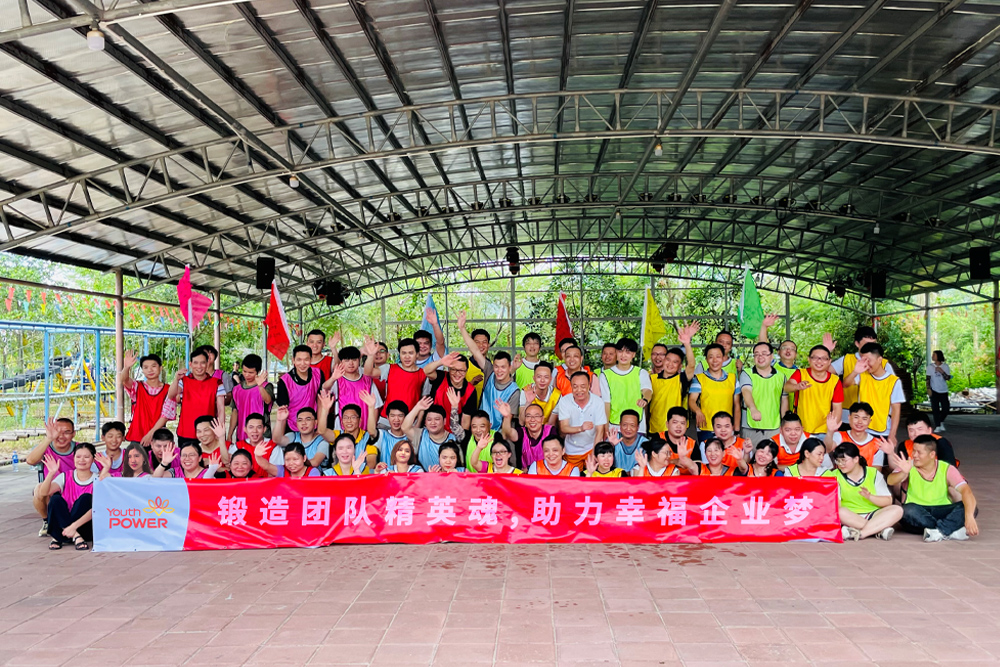
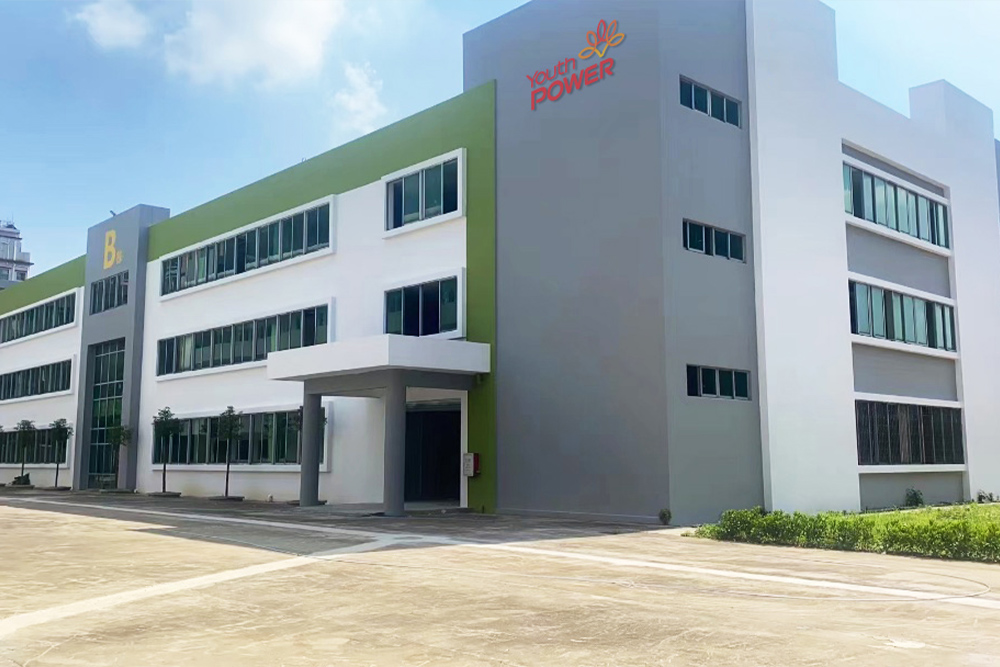
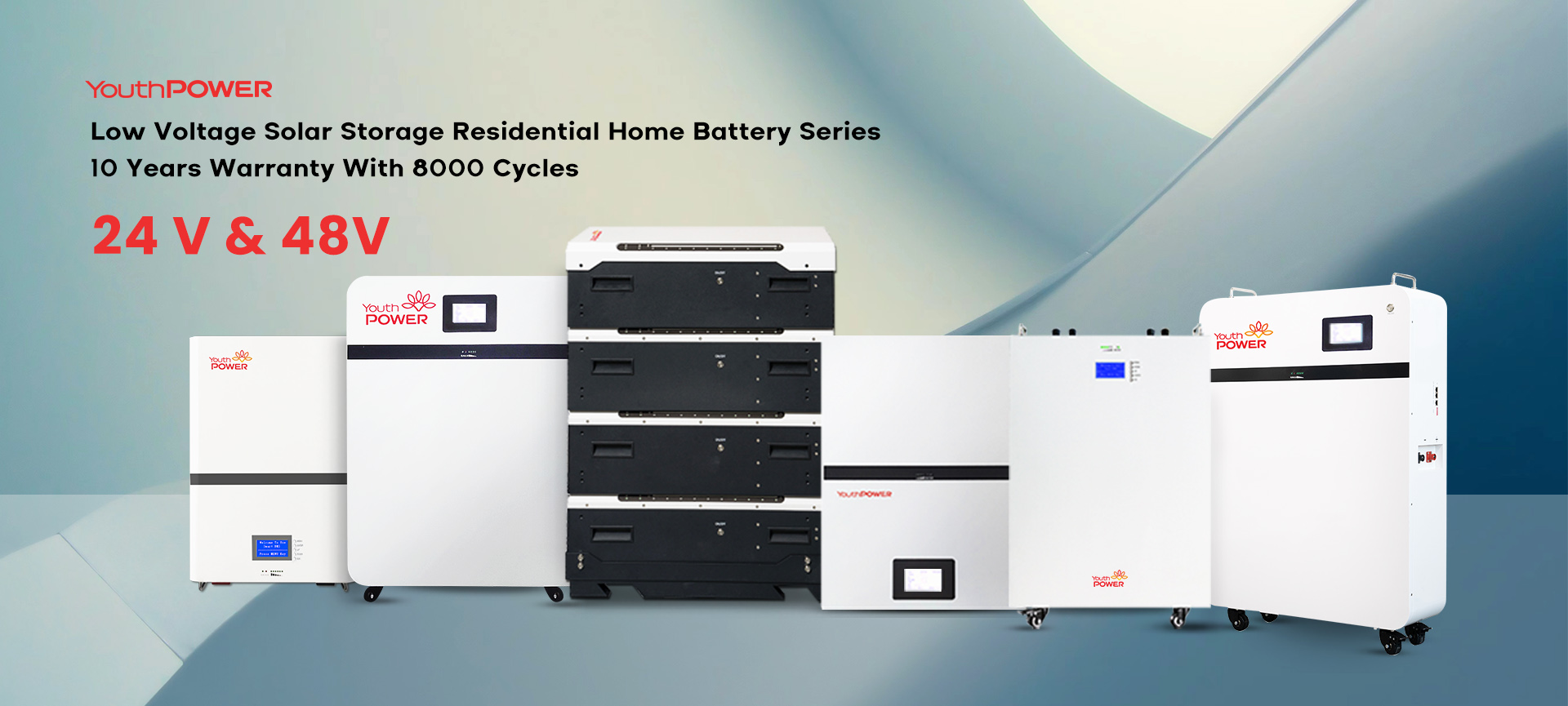
With nearly 20 years’ experience in the battery industry, we have the capability to provide you with both the products you need and the most suitable products you want. We are always ready to supply the first-class products and meet the various needs of the customers.
We have established good business relationships with our customers from all over the world. And we have a good cooperation with all our customers as well for many years running. Supported by our local vendors of raw materials, we can certainly offer you the best prices.
We are so proud that YouthPOWER has offered the reliable solar storage solution for over 1,000,000 families now in the world.
Energy Storage Systems (ESS) featuring a capacity of 20kWh sit at the critical intersection of residential self-sufficiency and light commercial microgrid scaling. Understanding the mechanics of voltage choices, chemistry durability, and heat mitigation is vital for utility procurement.
Lithium Iron Phosphate (LFP) is the undisputed industry standard for stationary storage due to its exceptional thermal stability and lifecycle economy. Unlike NMC chemistries, LFP avoids oxygen release at high temperatures, completely neutralizing fire hazards.
Choosing between low voltage (51.2V) and high voltage (HV >300V) architectures depends on the efficiency requirements. High-voltage series connections reduce current, which significantly lowers resistive losses in cabling and conversion.
The brain of a 20kWh system is its Battery Management System (BMS). Modern configurations require multi-level safety integration, combining active cell balancing with cloud-connected predictive analytics.
Navigating the unit cost of a 20kWh battery requires assessing raw materials, logistics, tariff frameworks, and systemic components (BOS).
| System Type / Specification | Estimated Factory Price (FOB) | Cycle Rating (80% DOD) | Ideal Application Scenario | Balance of System (BOS) Included |
|---|---|---|---|---|
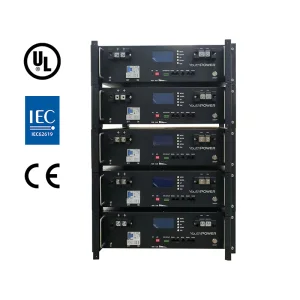
| 51.2V 400Ah (20.48kWh) LFP Pack | $2,800 - $3,900 USD | 6,000+ Cycles | Off-grid Residential, Modular Home Backup | Standard BMS, Rack Mount Cabinet Included |
| HV Stackable System (20kWh - 350V+) | $3,400 - $4,800 USD | 6,500+ Cycles | Hybrid Solar Coupling, High-efficiency Homes | High Voltage Controller & Base Unit |
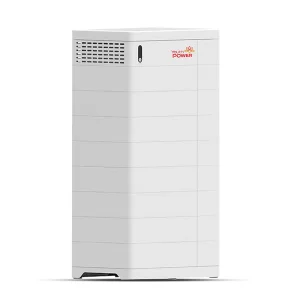
| All-in-One 3-Phase ESS (20kWh + Inverter) | $5,200 - $7,000 USD | 6,000+ Cycles | Residential Grid-Tie, Peak Shaving, EPS | Integrated Hybrid Inverter & Control Module |
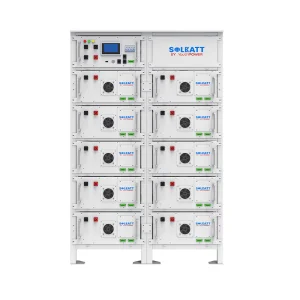
| Commercial Modular Grade (2 x 10kWh Units) | $3,100 - $4,200 USD | 7,000+ Cycles | Telecom Towers, Small Offices, Farms | Standard Rack Assembly & Multi-BMS hub |
20kWh installations are no longer confined to basic residential applications. Our clients leverage these dynamic units across multiple high-demand utility sectors globally.
Small-to-medium enterprises (SMEs) face punishing demand charges based on peak grid usage. Installing a 20kWh system allows businesses to deploy battery energy during local demand spikes, cutting utility charges substantially.
Peak Load Reduction: up to 30%
Modern automated greenhouse operations, irrigation control loops, and poultry environments demand non-stop, clean energy. A 20kWh buffer ensures delicate electronic control grids survive unstable rural grid events without data loss.
Zero-Transfer Backup Option Available
Buffer batteries solve grid constraints. Integrating a 20kWh unit with dynamic EV chargers prevents local distribution transformers from overloading, stabilizing power delivery when fast-charging vehicles.
B2B Integration Ready via Modbus/TCP
YouthPOWER’s production footprint leverages the unparalleled manufacturing ecosystem of China’s premium industrial zones. By combining automated assembly lines with localized access to raw materials (lithium reserves, separator grids, and high-performance casing factories), we deliver premium energy solutions with optimized economics.
The performance of a 20kWh battery pack depends on the weakest cell. Our Factory 4.0 infrastructure utilizes AI-driven cell grading machines to match cell capacities, internal resistance, and voltage characteristics to extremely narrow tolerances (under 0.05V variance). This guarantees balanced wear cycles and extends the battery pack's lifespan.
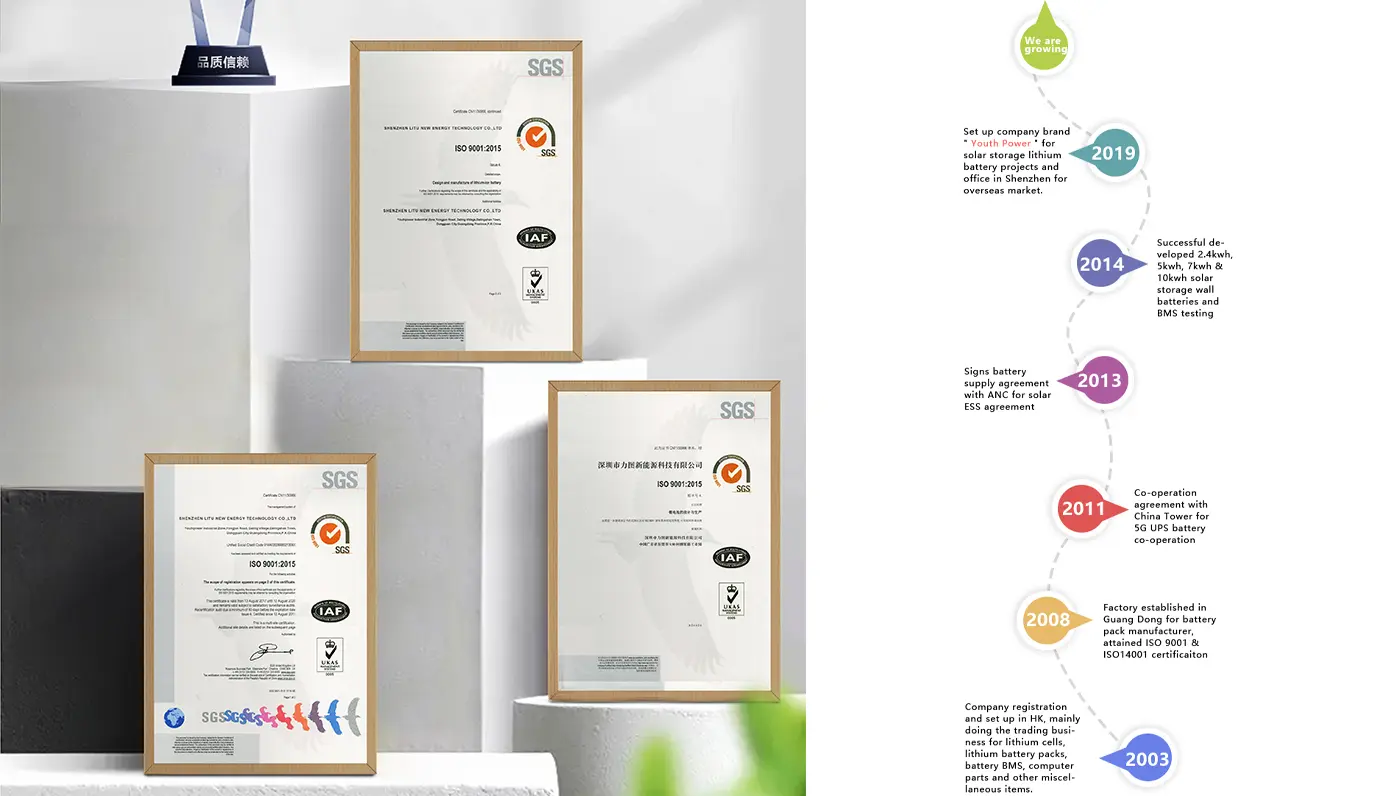
The Road We Traveled: Developing World-Class ESS Technologies Since 2003
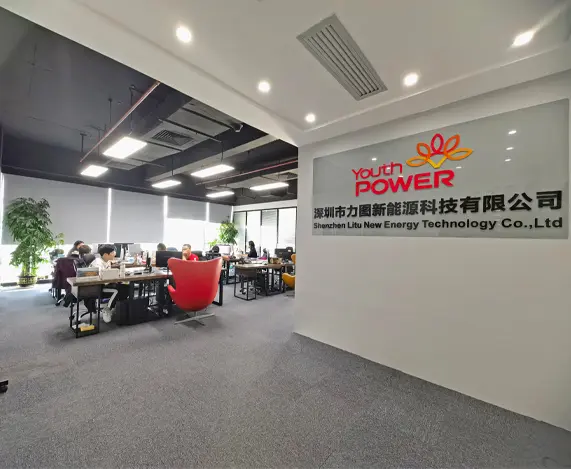
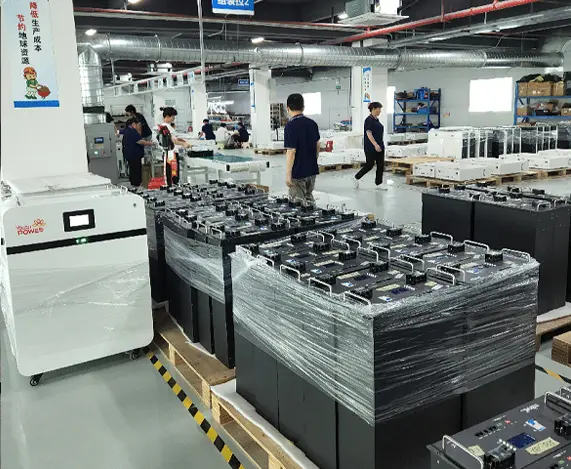
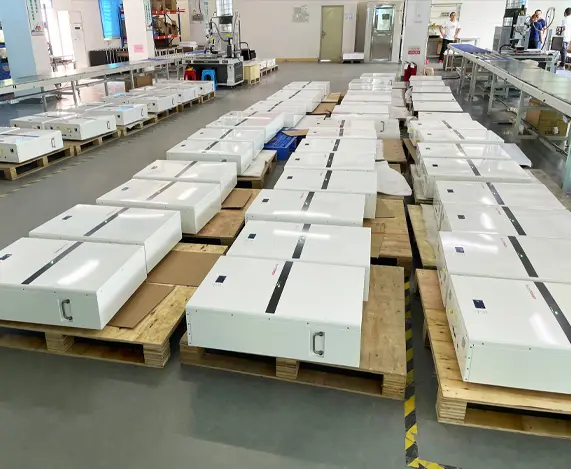
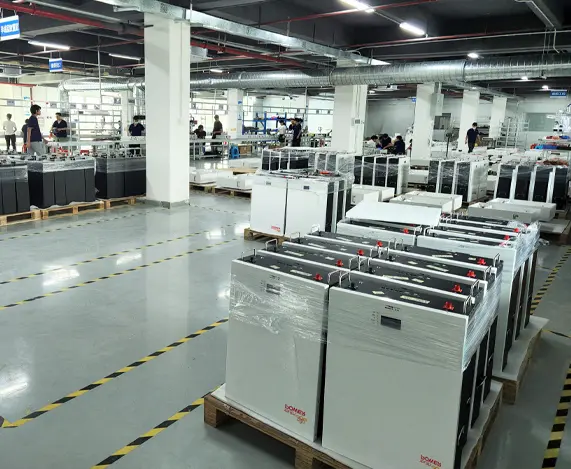
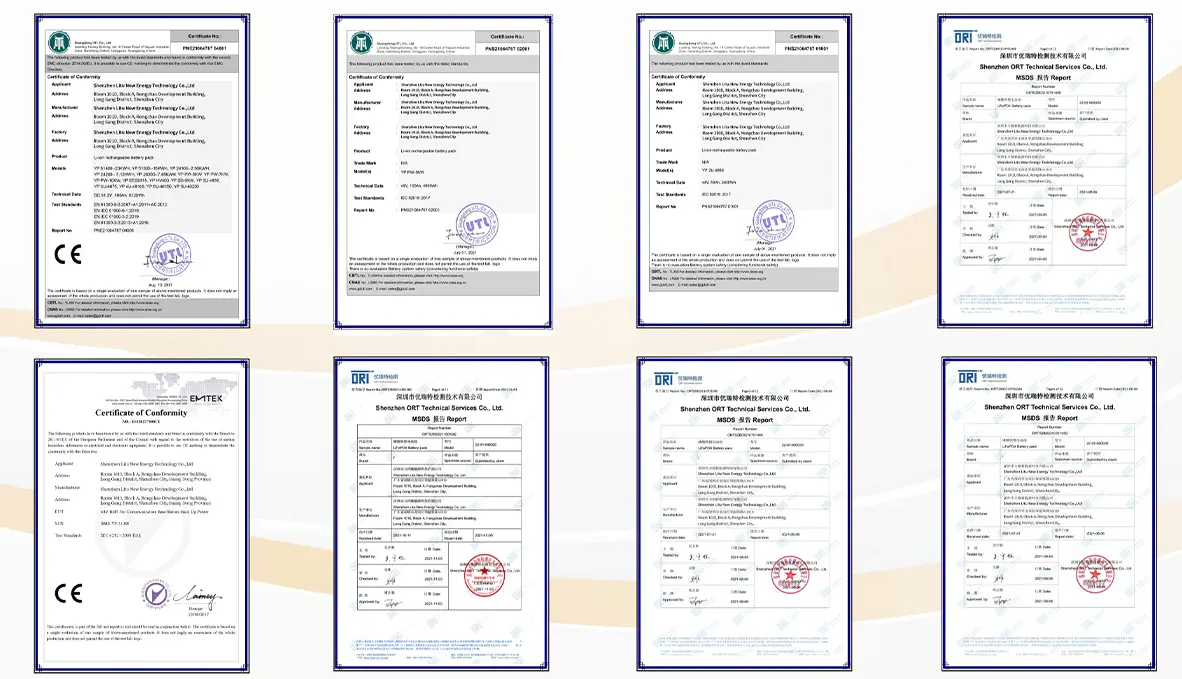
Operating on the global stage requires strict adherence to international safety and logistics frameworks. We design and test all units to ensure compliance with global distribution standards.
Our battery packs undergo rigorous structural testing to meet global safety standards. Our production processes align with testing criteria to ensure safety across residential and commercial applications.
Lithium batteries are classified as Class 9 Dangerous Goods. We ensure secure packaging and proper logistics handling for safe transit worldwide.
We work with localized partners globally to ensure reliable distribution, installation assistance, and maintenance support.
To assist procurement managers, engineers, and technical planners, our team has compiled this key checklist to streamline the purchasing process for large-scale energy storage projects.
Determine the peak load requirement (in kW) and the required discharge duration (in hours). A standard 20kWh battery running at a constant 5kW load will provide approximately 4 hours of backup time.
Ensure the system BMS matches the communication protocol of your existing inverters (e.g., SMA, Victron, Deye, Growatt, GoodWe).
Verify the installation site's operating temperature range. For extreme climates, we recommend weatherproof cabinets with active cooling options.
Common technical queries regarding the selection, deployment, and performance of 20kWh energy storage solutions.
 YouthPOWER