As global energy grids face unprecedented stress and shift towards fluctuating clean energy generation, the demand for local lithium storage systems has exploded. When procuring energy storage systems (BESS) under the popular search category of "Best Powerwall Cost Factory & Price", professional buyers must look past top-line retail marketing. Achieving optimal Levelized Cost of Storage (LCOS) requires analyzing cell chemistries, structural engineering, integrated Battery Management Systems (BMS), and manufacturing margins directly from OEM factories.
For multi-family, commercial, and residential installers, understanding factory pricing dynamics translates to higher margins and greater long-term reliability. By eliminating middleman commissions and shipping custom-designed batteries directly from certified gigafactories, enterprises can scale projects effectively without compromising safety or component lifecycle parameters.
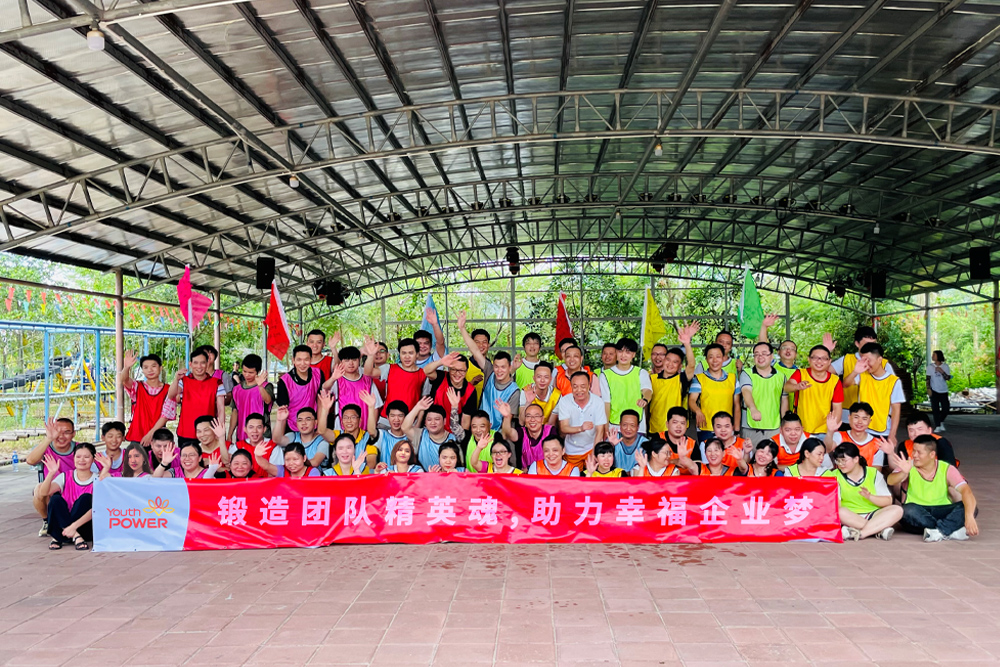
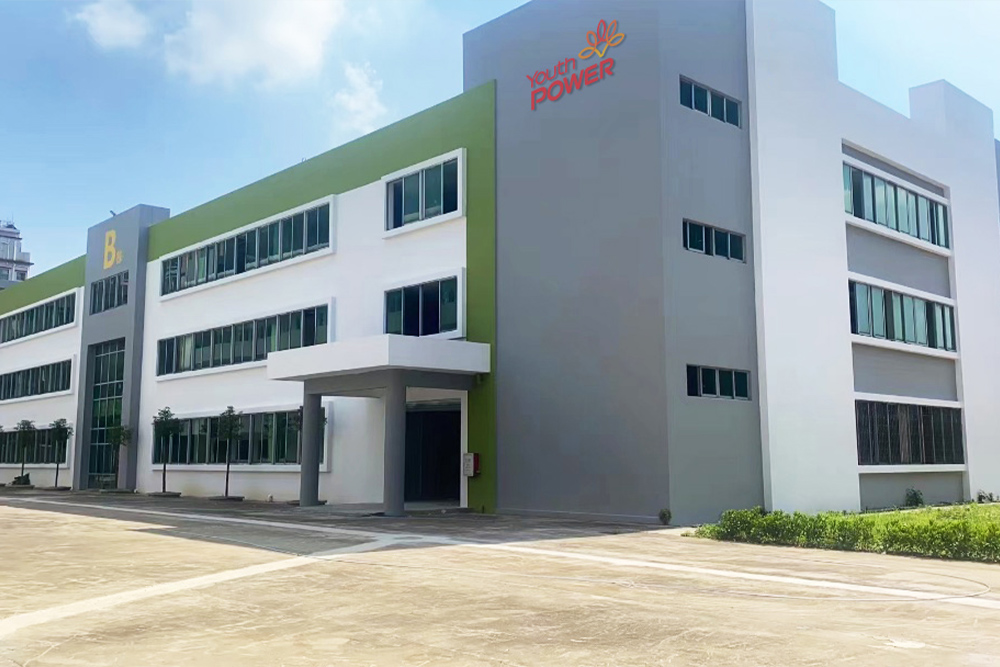
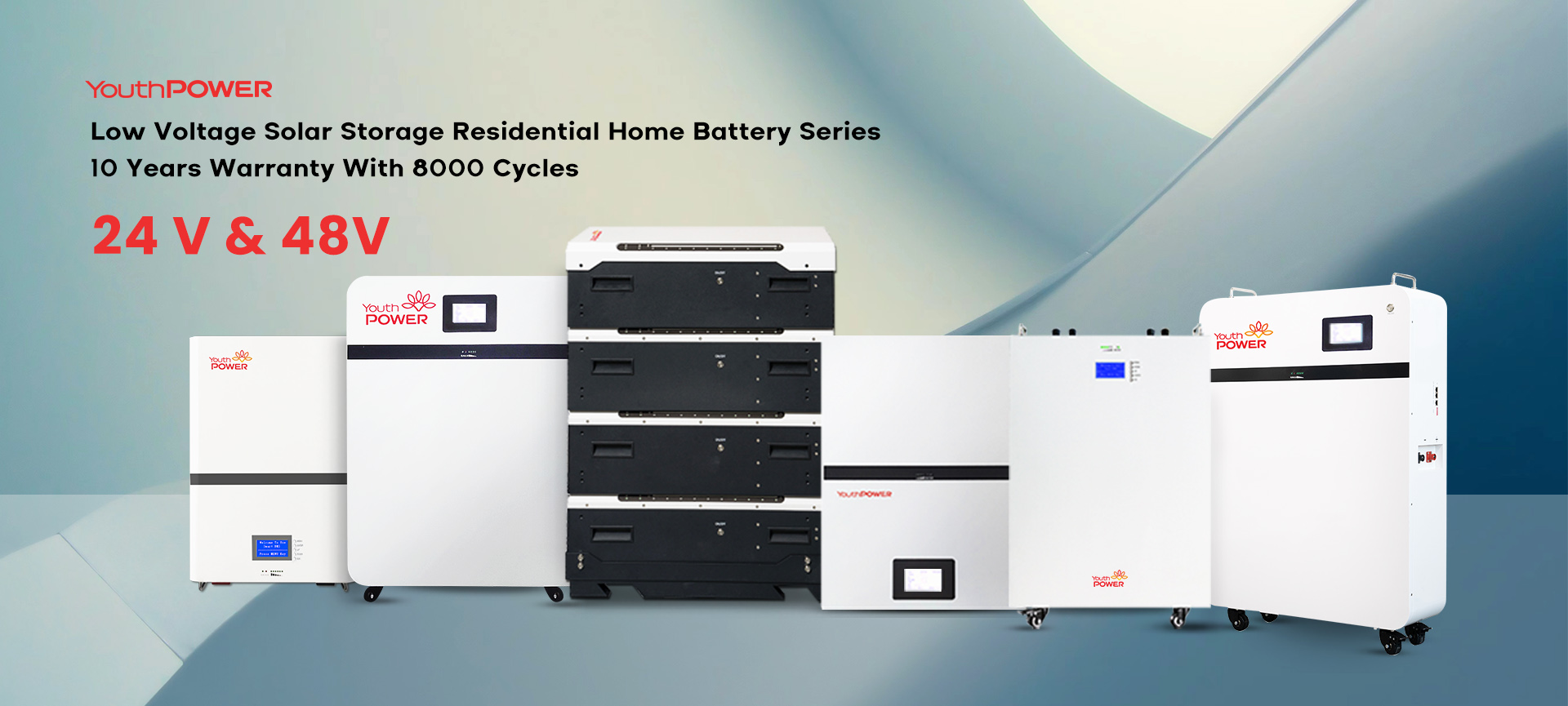
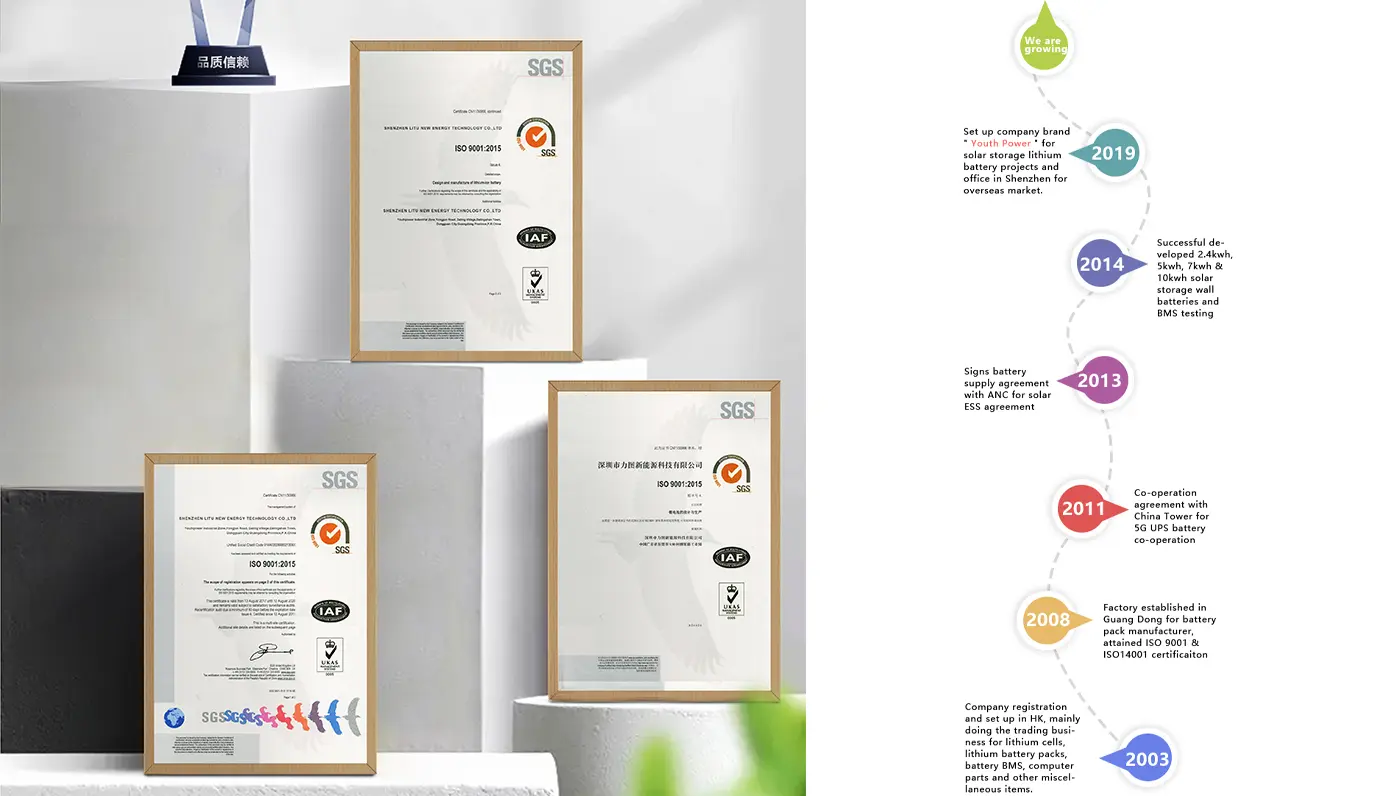
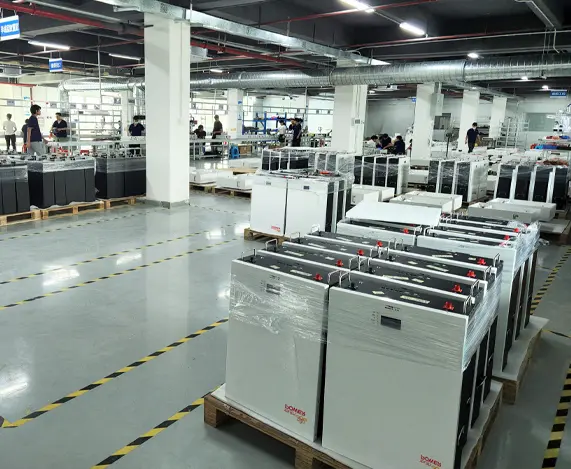
Founded in 2003, YouthPOWER has now become one of the leading suppliers of solar storage lithium batteries in the world. With a broad range of energy storage solutions, it covers a series of 24V, 48V and higher voltage lithium batteries solutions.
YouthPOWER has engaged in the battery technology and production for almost 20 years, with abundant manufacturing experience and strong new product R & D capability. Through many years of hard work and market promotion, we have created our own brand "YouthPOWER" in 2019.
With nearly 20 years’ experience in the battery industry, we have the capability to provide you with both the products you need and the most suitable products you want. We are always ready to supply the first-class products and meet the various needs of the customers.
We have established good business relationships with our customers from all over the world. And we have a good cooperation with all our customers as well for many years running. Supported by our local vendors of raw materials, we can certainly offer you the best prices. We are so proud that YouthPOWER has offered the reliable solar storage solution for over 1,000,000 families now in the world.
To make an informed purchase decision, buyers must dissect the cost drivers of a standard 5kWh, 10kWh, or commercial-grade battery storage unit. The overall pricing is governed by three primary pillars: cell quality and chemistry, battery management intelligence, and housing engineering.
LiFePO4 (Lithium Iron Phosphate) has become the gold standard due to its exceptional thermal stability and long lifecycle. However, cell grades drastically impact cost. Tier 1 factories use brand new Grade A cells with guaranteed capacities, while budget suppliers might use B-grade or recycled cells, leading to accelerated degradation.
The Battery Management System acts as the brain, protecting the cells from overcharge, deep discharge, and thermal runaway. Advanced systems feature multi-inverter communication protocols (CAN/RS485) allowing direct sync with global inverter brands like Victron, Growatt, Deye, and SMA.
Outdoor ratings (such as IP65 water-proofing on the YouthPOWER Waterproof Solar Box) and heavy-duty seismic-rated brackets increase durability in harsh environments. Effective passive heat-sink designs prevent hot-spots without requiring high-maintenance fans.
| System Architecture | Nominal Voltage | Recommended Chemistry | Cycle Life Expectancy (80% DoD) | Target B2B Price Range (Est. FOB) |
|---|---|---|---|---|
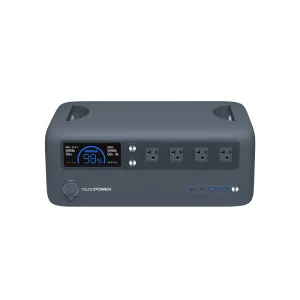
| Balcony/Low Voltage ESS (2KWH - 5KWH) | 25.6V - 51.2V | LiFePO4 (Prismatic) | 4,000 - 5,000 Cycles | $400 - $950 USD |
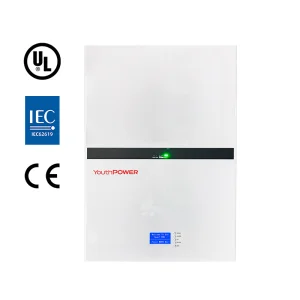
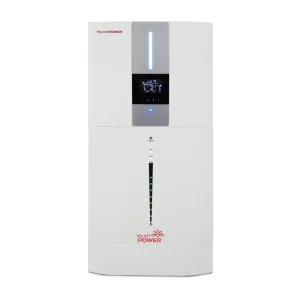
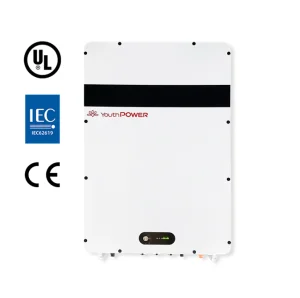
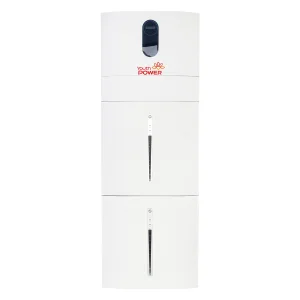
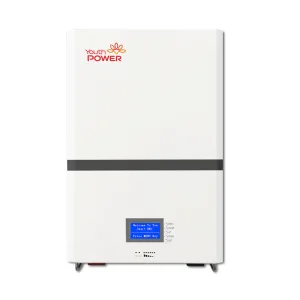
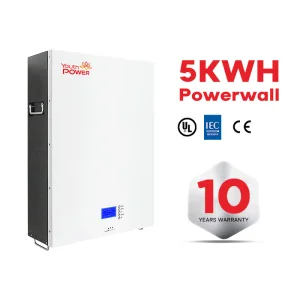
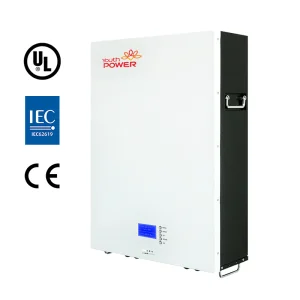
| Standard Wall Powerwall (5KWH - 10KWH) | 51.2V (100Ah-200Ah) | LiFePO4 (Grade A) | 6,000+ Cycles | $950 - $1,900 USD |
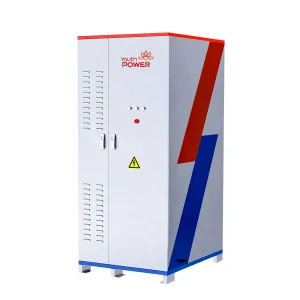
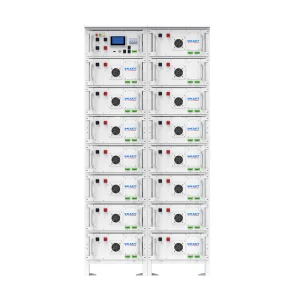
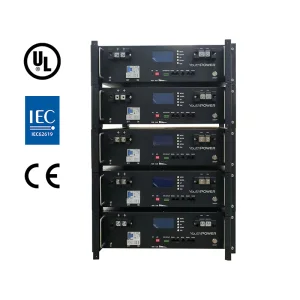
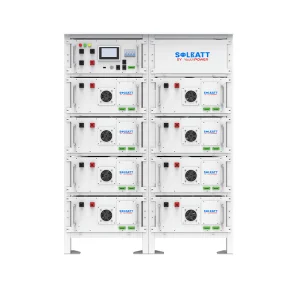
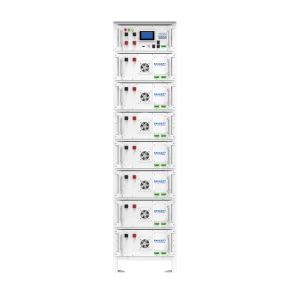
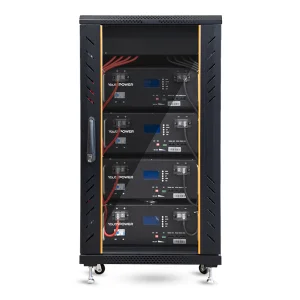
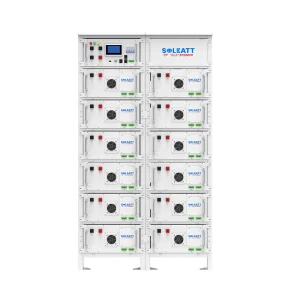
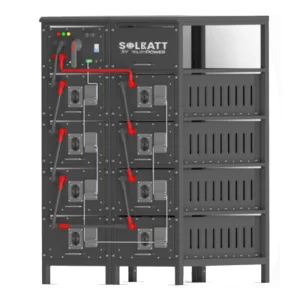
| Industrial Stackable Cabinets (100KWH+) | 358.4V - 768V | High Voltage LiFePO4 | 6,000+ Cycles | $14,000 - $25,000 USD |
| Containerized Outdoor BESS (215KWH) | 768V (280Ah Array) | Liquid/Air Cooled LFP | 6,000 - 8,000 Cycles | Contact Factory |
Modern energy developers are facing tightening local grid regulations and rapid pricing fluctuations. Key B2B procurement vectors for 2024 and beyond include:
For agricultural installations, construction camps, and remote telecom repeaters, microgrid setups with scalable battery enclosures have become standard practice. Relying on heavy-duty systems like the 215KWH Outdoor Storage container or high-voltage cabinets, developers can establish robust island networks that operate entirely independently of fossil fuel backup generators.
The energy storage horizon is shifting toward higher energy density formats and safer solid-electrolyte matrixes. By streamlining cell formats to massive 280Ah prismatic units, factories reduce internal resistance and connection complexities. In the coming decade, we expect:
Though offering slightly lower energy density, sodium-ion models will dramatically lower costs for applications where space constraint is secondary, proving highly effective for stationary field grids in cold climates.
By removing highly flammable liquid electrolytes, semi-solid configurations will prevent thermal runaways completely, allowing more compact installations within residential urban environments.
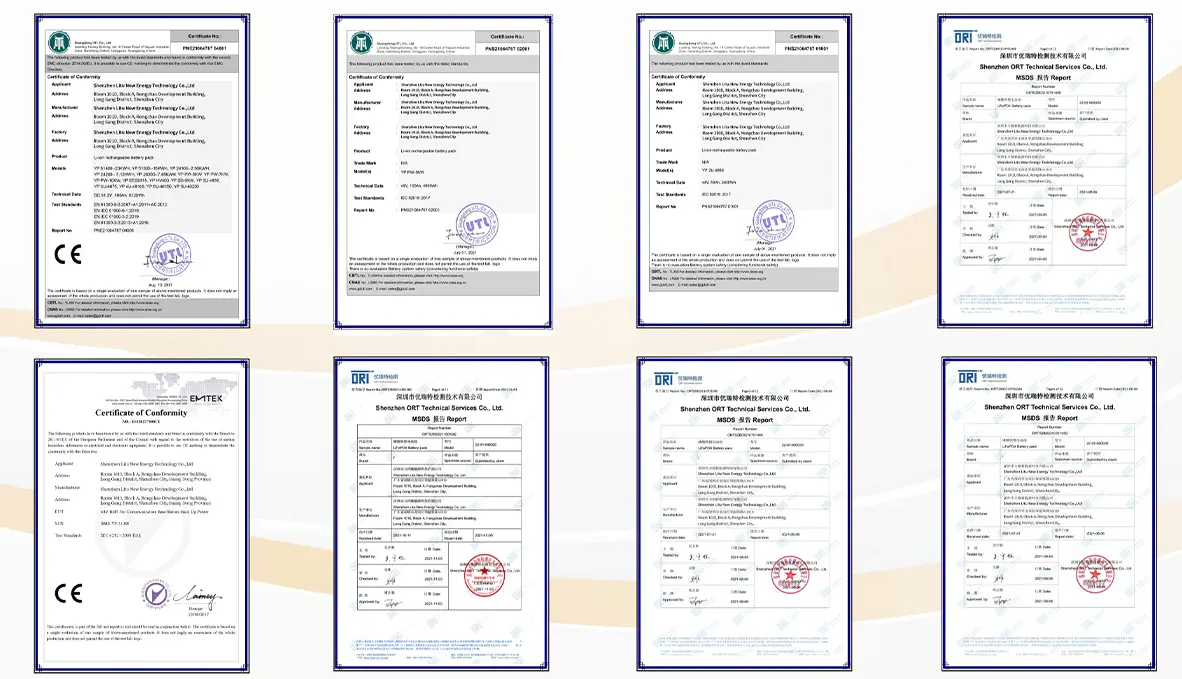
A major factor separating low-cost local assembly workshops from world-class manufacturing factories is validation compliance. High-quality systems must pass rigorous global testing, including UN38.3 (transportation safety), IEC 62619 (safety requirements for secondary lithium cells), and CE / UL1973 certifications. Installing uncertified systems risks local building code violations, structural insurance invalidation, and unsafe operational parameters.
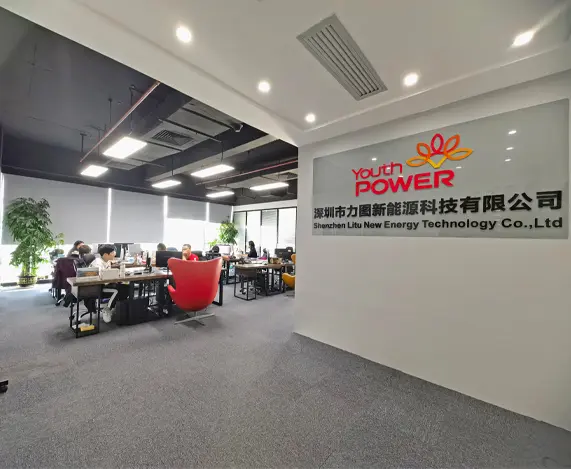
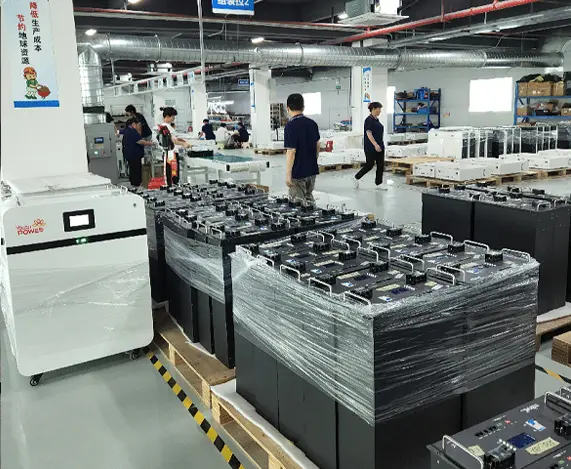
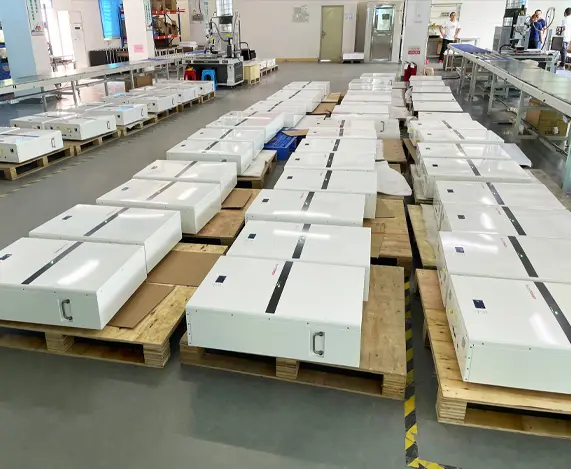
With two decades of dedication, YouthPOWER has systematically scaled from a specialized battery cell testing facility to a global leader in integrated clean energy storage manufacturing.
Get answers to critical technical and logistical questions to clarify your path forward in sourcing high-performance battery systems.
 YouthPOWER