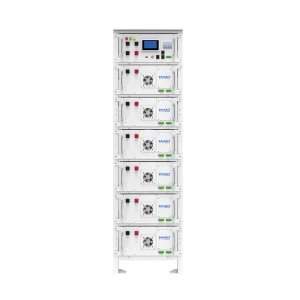
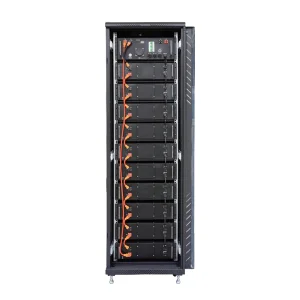
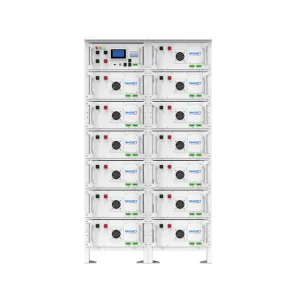
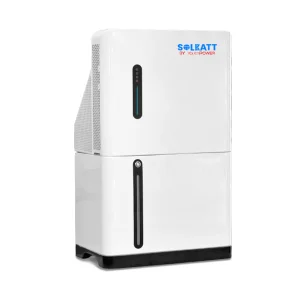
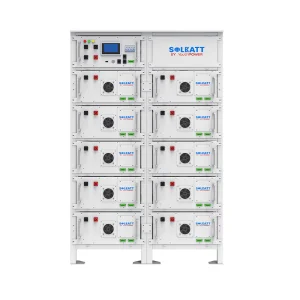
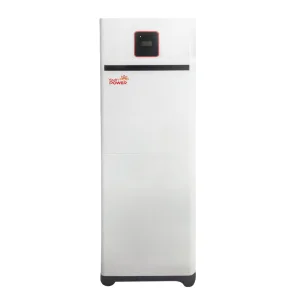
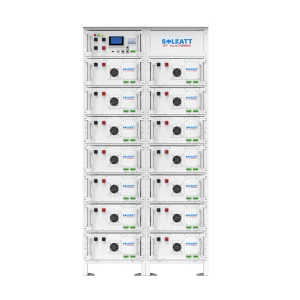
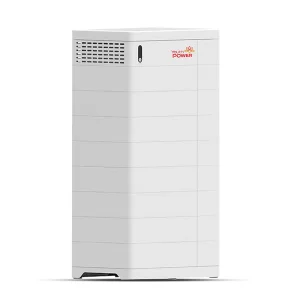
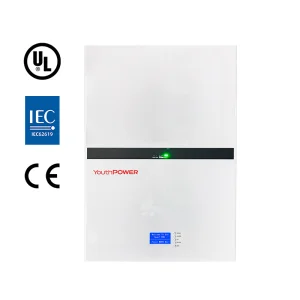
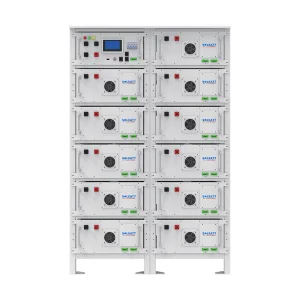
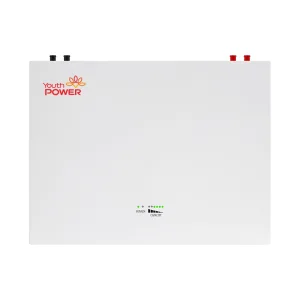
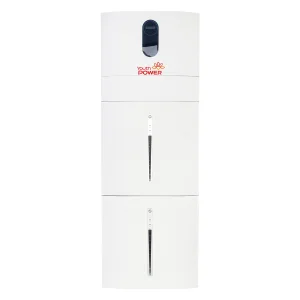
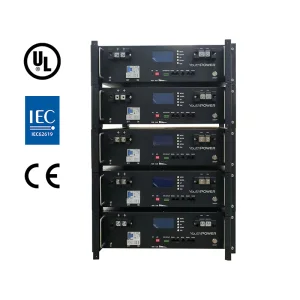
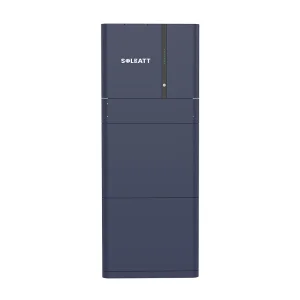
Engineered to maximize thermal dissipation, guarantee structural safety, and streamline battery integration.
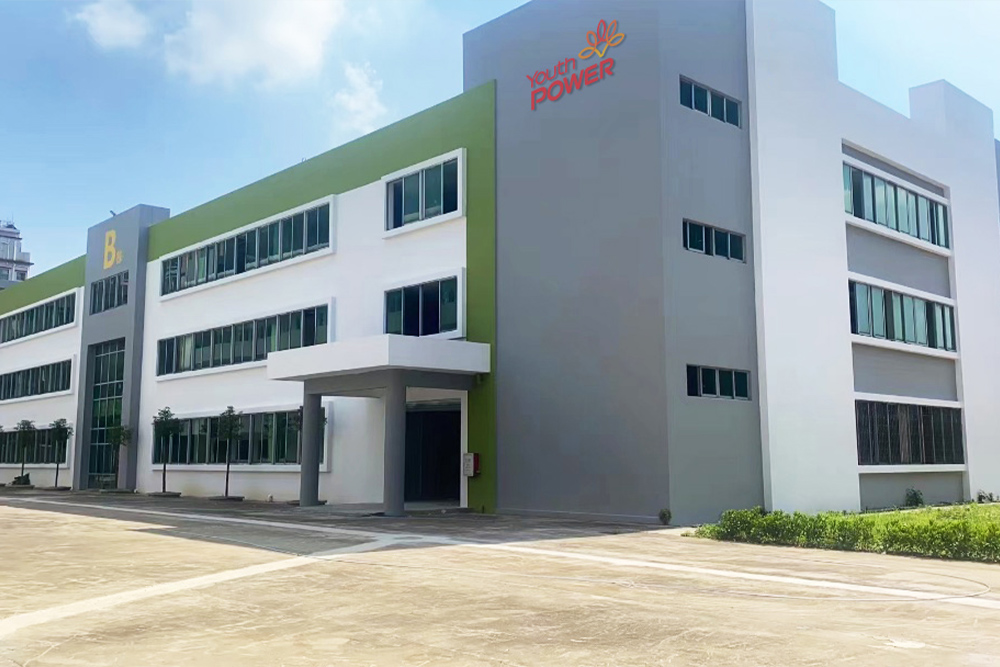
Founded in 2003, YouthPOWER has now become one of the leading suppliers of solar storage lithium batteries in the world. With a broad range of energy storage solutions, it covers a series of 24V, 48V and higher voltage lithium batteries solutions.
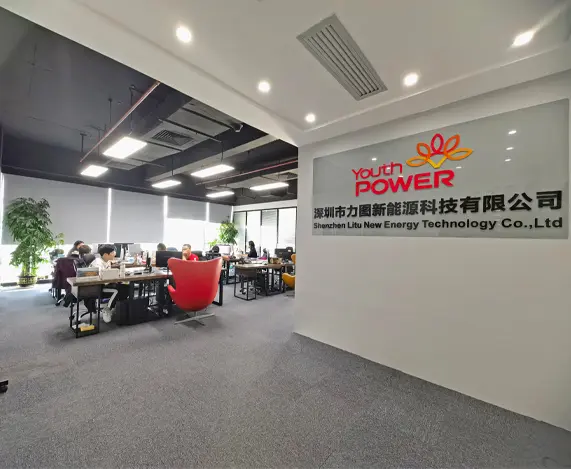
YouthPOWER has engaged in the battery technology and production for almost 20 years, with abundant manufacturing experience and strong new product R & D capability. Through many years of hard work and market promotion, we have created our own brand "YouthPOWER" in 2019.
How state-of-the-art structural calculations define the stability of commercial and utility solar battery racks.
Designed and certified to comply with CBC and IBC standards. Racks are calculated for Seismic Design Category D, E, and F, ensuring stability under peak ground acceleration during earthquakes.
Constructed utilizing premium Q235B and Q355B cold-rolled steel. Heavy-duty structures receive a double-layer powder coating or hot-dip galvanization to resist C4-C5 industrial environment corrosion.
Engineered with localized vertical barriers. In the event of battery cell degradation or failure, the racking configuration acts as a radiant shield, complying directly with NFPA 855 mitigation policies.
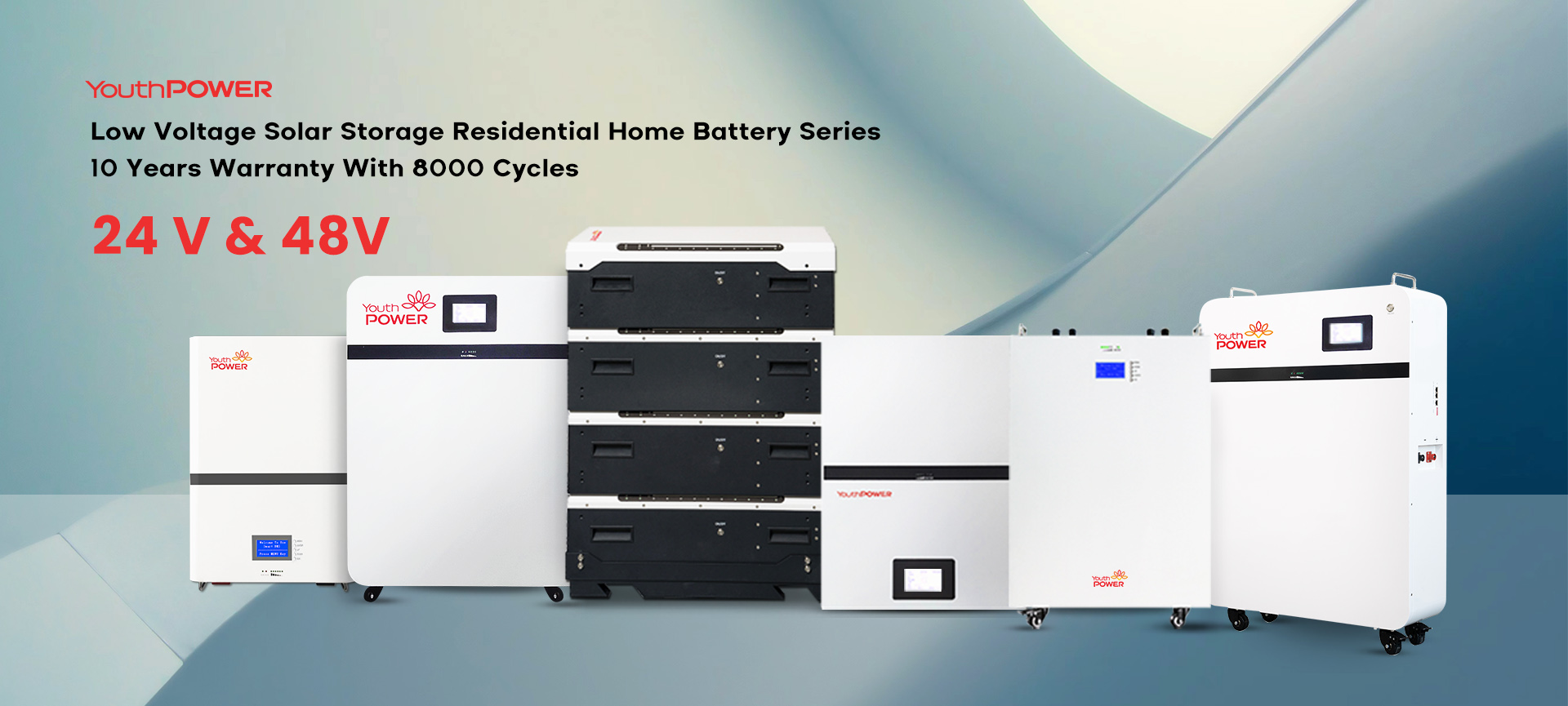
With nearly 20 years’ experience in the battery industry, we have the capability to provide you with both the products you need and the most suitable products you want. We are always ready to supply the first-class products and meet the various needs of the customers.
We implement a strict zero-tolerance policy against electrical resistance degradation inside our cabinet racking systems. Standardizing the 19-inch footprint allows integration of high-density battery arrays while maintaining absolute busbar structural integrity and ease of maintenance.
Matching customized configurations with the exact needs of major grid operators and industrial infrastructures.
Designed for manufacturing facilities, hospitals, and hyper-scale data centers. Racking frames support high-voltage stackable configurations from 200V to over 800V DC to streamline heavy-duty inverter integration.
Maximize utility bill optimization. High-energy dynamic racking facilitates high charge/discharge rate configurations (1C/2C rating), reducing demand charges in high-tariff geographic regions.
Providing custom multi-rack alignments. Configurable structural load profiles can easily bear the weight of heavy liquid-cooling heat exchangers and automatic fire suppression plumbing.
We have established good business relationships with our customers from all over the world. And we have a good cooperation with all our customers as well for many years running. Supported by our local vendors of raw materials, we can certainly offer you the best prices.
We are so proud that YouthPOWER has offered the reliable solar storage solution for over 1,000,000 families now in the world.
How automated high-speed laser cutting, structural welding, and automated logistics guarantee reliable quality.
Minimizing mechanical joint defects. Automated manufacturing ensures every mounting angle is mathematically aligned, removing human error from load-bearing weld stress points.
Securing direct allocations of structural-grade steel sheets and raw materials. Our streamlined industrial vertical integration allows us to hedge against market volatility, passing cost-efficiency onto our partners.
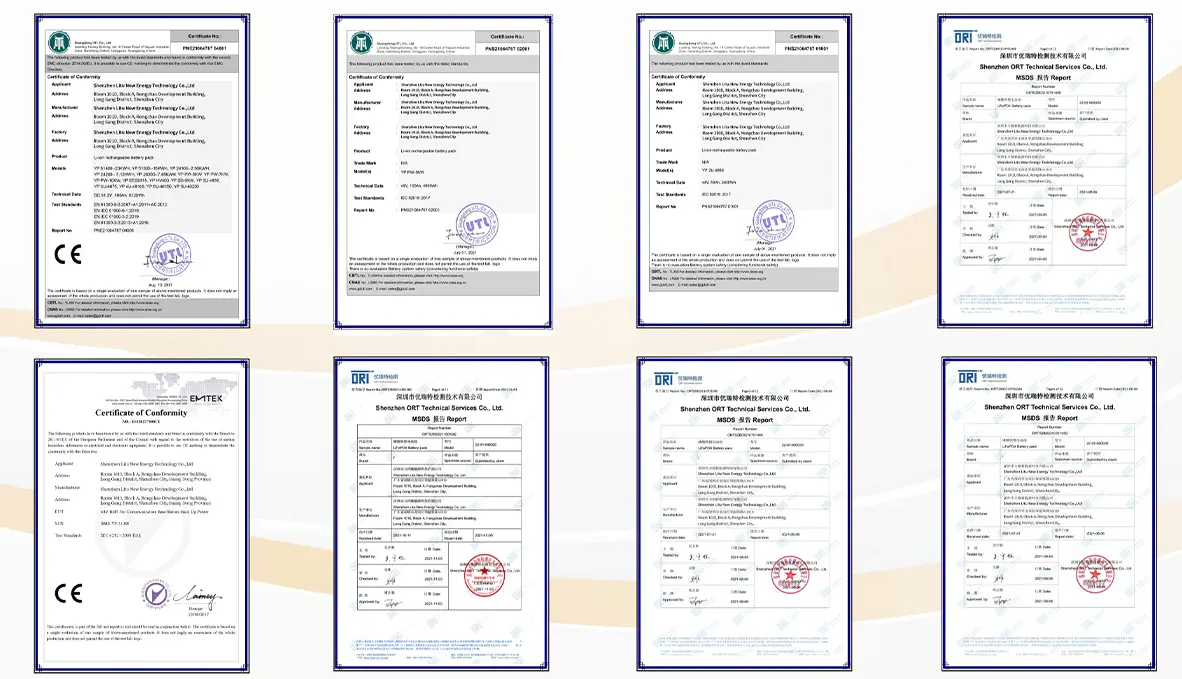
Each component undergoes automated structural deflection tests. Complete testing protocols verify that safety coefficients match or exceed strict European and American engineering specifications.
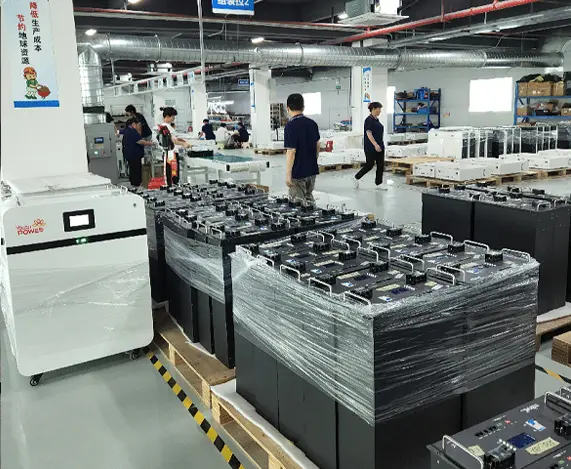
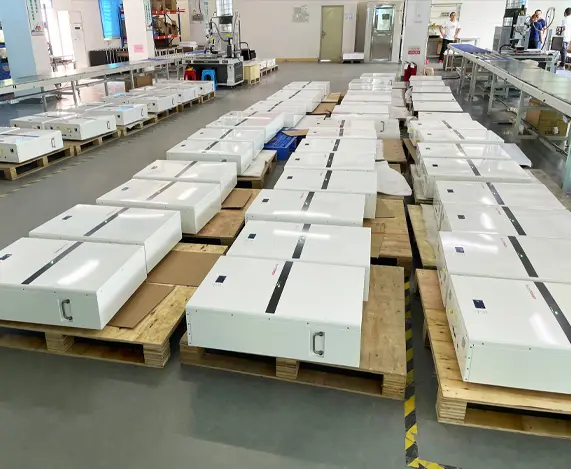
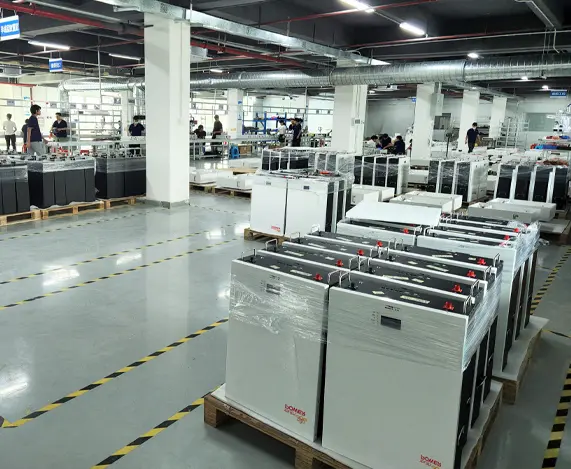
Evolving with next-generation electrochemical systems and advanced physical enclosure configurations.
Designing standardized physical envelopes for new chemistries. Adjusting localized weight ratios and developing structural brackets specifically tailored for varying gravimetric and volumetric energy densities.
Transitioning high-density stackable racks from standard forced-air convection to built-in modular fluid distribution plates. Expected to decrease cell temperature deviations to within ±2°C.
Developing embedded multi-point strain gauges and micro-thermal imaging matrices directly on structural racking columns. Enabling preventive fault diagnostics and automatic physical isolation parameters.
From our foundation in 2003 as a specialized battery developer to setting global standards under the YouthPOWER brand name, we have consistently pushed engineering boundaries.
Our historical timeline is paved with intensive battery testing, structural rack modeling, international certification compliance, and collaborative deployment alongside leading global system integrators.
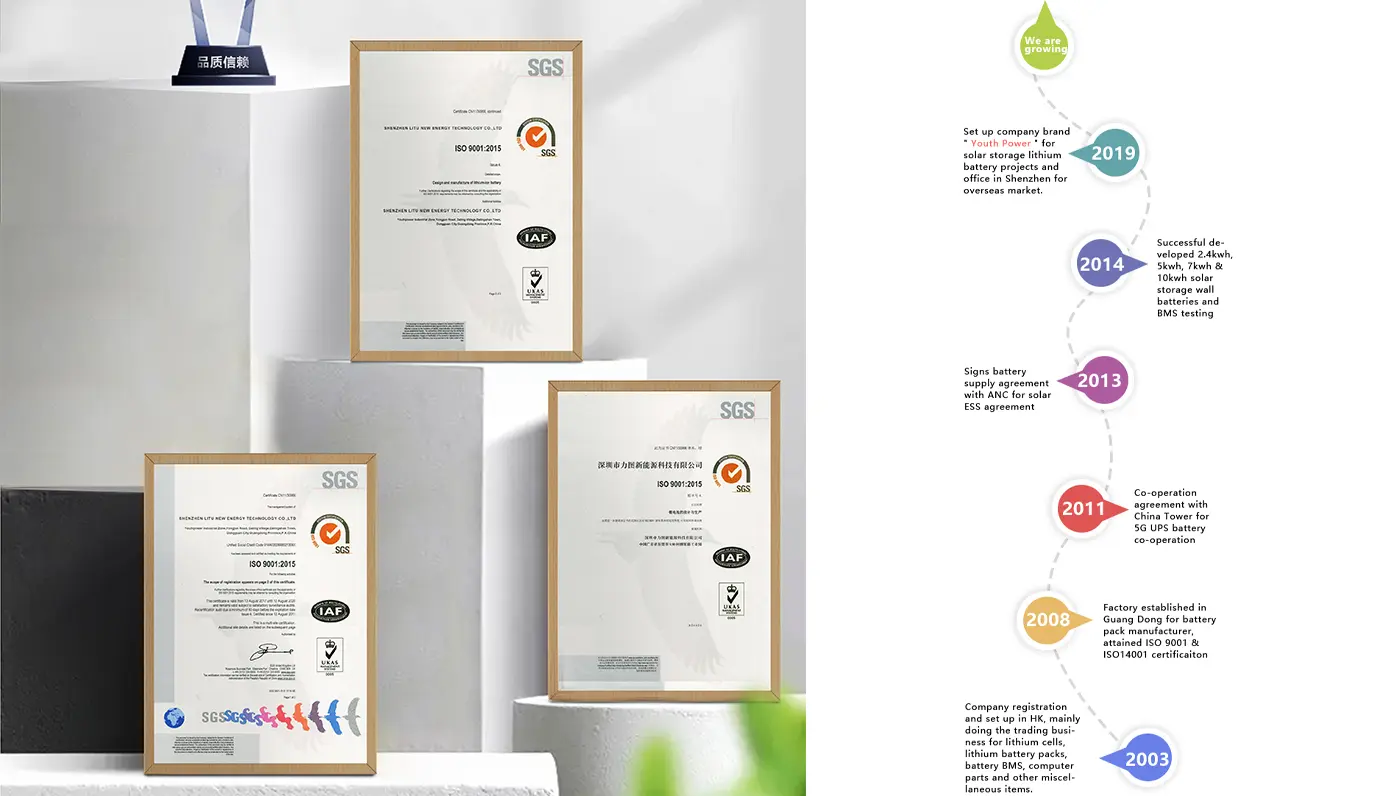
Critical engineering check-lists and mechanical standards required for high-volume energy storage procurement.
Every commercial procurement bid mandates Grade A LiFePO4 chemistry. Procurement engineers must ensure trace documents are verified down to the production batch level.
Solar battery racks situated in coastal zones require rigorous salt-mist resistance certificates (IEC 60068-2-52) to guarantee a physical system lifetime matching the 15-20 year battery pack.
Slide-out rail options and front-accessible connection layouts are critical components to reduce technical downtime when conducting maintenance on massive multi-megawatt-hour grids.
Meeting regional requirements via certified racking systems and localized engineered support channels.
Our complete integrated racking systems adhere strictly to UL 9540, UL 1973, CE, UN38.3, and IEC 62619 guidelines, assuring quick utility sign-offs.
Global presence is supported by engineers capable of assisting installation teams during site structural calculations and anchor-bolt configuration steps.
Avoid delays during regulatory inspections. Our technical documents include detailed FEA structural analysis models and compliance manuals.
Designed for residential towers, commercial battery rooms, and robust modular expansions.
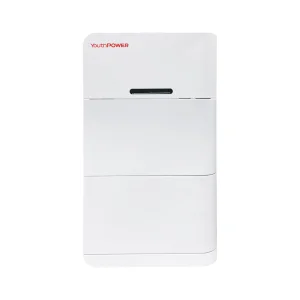
Crucial search intent insights covering solar battery rack engineering, thermal optimization, and structural standardizations.
Most industrial solar battery racking systems utilize the standard 19-inch electronic enclosure width specification. This footprint ensures high compatibility with battery modules ranging from 2U to 8U configurations, optimizing spatial efficiency in battery storage rooms while providing standardized paths for high-amperage cabling.
Premium solar battery rack manufacturers integrate vertical structural heat-shields and designated spacing intervals between levels (typically 1.5U to 3U gaps). Compliance with UL 9540A testing procedures requires that thermal events occurring within a single module are mitigated locally, preventing thermal propagation to adjacent batteries.
Given the heavy weight of LiFePO4 batteries (often weighing 40kg to over 100kg per module), professional battery racks are constructed from high-yield, cold-rolled carbon steel, such as Q235B or Q355B. This provides the structural capability to withstand extreme static loads and dynamic movements under seismic conditions.
Hot-dip galvanization provides superior zinc sacrificial protection suitable for coastal or highly industrial (C5) environments, while dynamic electrostatic powder coating offers excellent mechanical resistance and impact isolation for indoor utility installations. A combination of zinc-rich primers and powder coatings is widely accepted as the standard for commercial-grade storage cabinets.
Yes. High-voltage configurations, which often exceed 500V to 800V DC, utilize stackable battery racks with built-in high-voltage junction control boxes. The layout must be designed to withstand high creepage distances and clearances, preventing short-circuit potentials between high-power busbars and structural grounding systems.
 YouthPOWER