Analyze parameters, compare commercial LiFePO4 capacities, and secure Tier-1 factory-direct volume pricing for industrial-scale energy storage projects.
Explore our highly efficient lithium iron phosphate (LiFePO4) storage systems configured for residential backup, microgrid integration, commercial demand charge management, and utility applications.
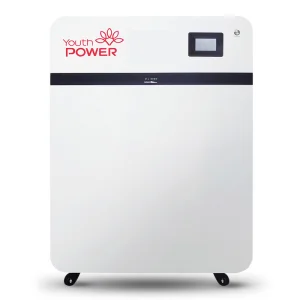
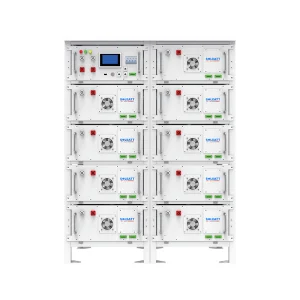
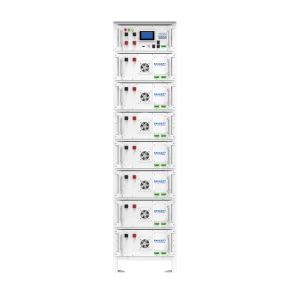
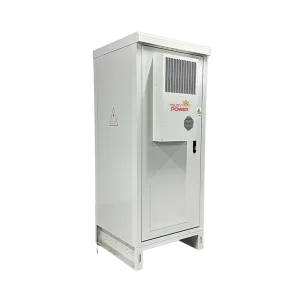

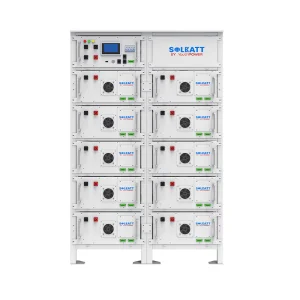
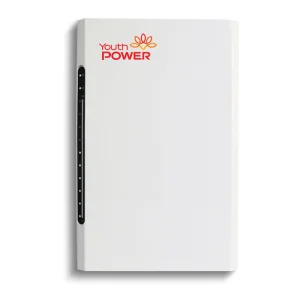
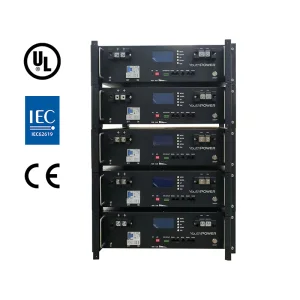
Global decarbonization mandates and grid instability have accelerated the demand for high-capacity battery solutions. As utility companies and commercial enterprises scale up their installations, the definition of a "Big Battery" has evolved from simple containerized lead-acid arrays to smart, high-density Lithium Iron Phosphate (LiFePO4) storage networks managed by cloud-based AI.
Modern systems are rapidly transitioning from traditional 48V standards to high-voltage setups ranging from 358.4V up to 1000V+. Operating at higher voltages minimizes resistive cable losses (I²R), improves thermal efficiency, and allows compatibility with large commercial-grade central inverters.
Lithium Iron Phosphate (LFP) has emerged as the premier chemistry for stationary storage applications. Its unmatched safety profile, avoidance of volatile cobalt, high thermal threshold, and cycle life (often exceeding 6,000 to 8,000 cycles at 80% DoD) ensure a lower Levelized Cost of Storage (LCOS).
To maintain optimal operating cell temperatures, large-scale cabinets utilize advanced air or liquid cooling technology. By keeping cell-to-cell temperature differentials under 3°C, systems mitigate thermal runaway risk and extend overall service lifespan by up to 30%.
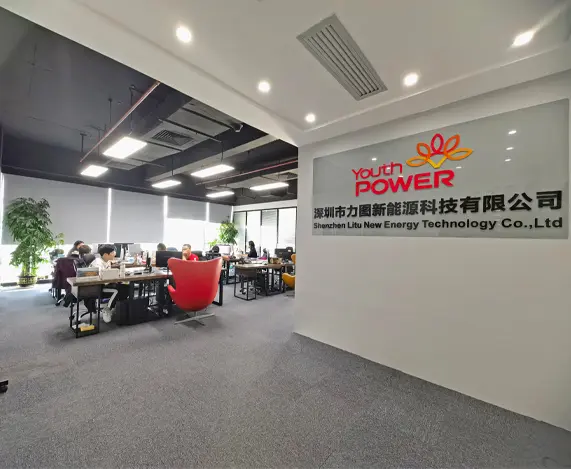
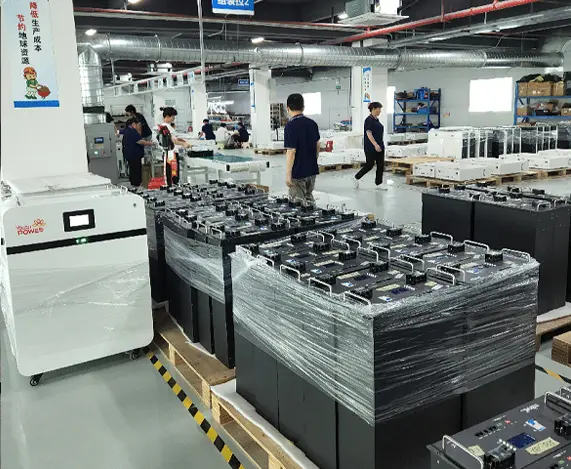
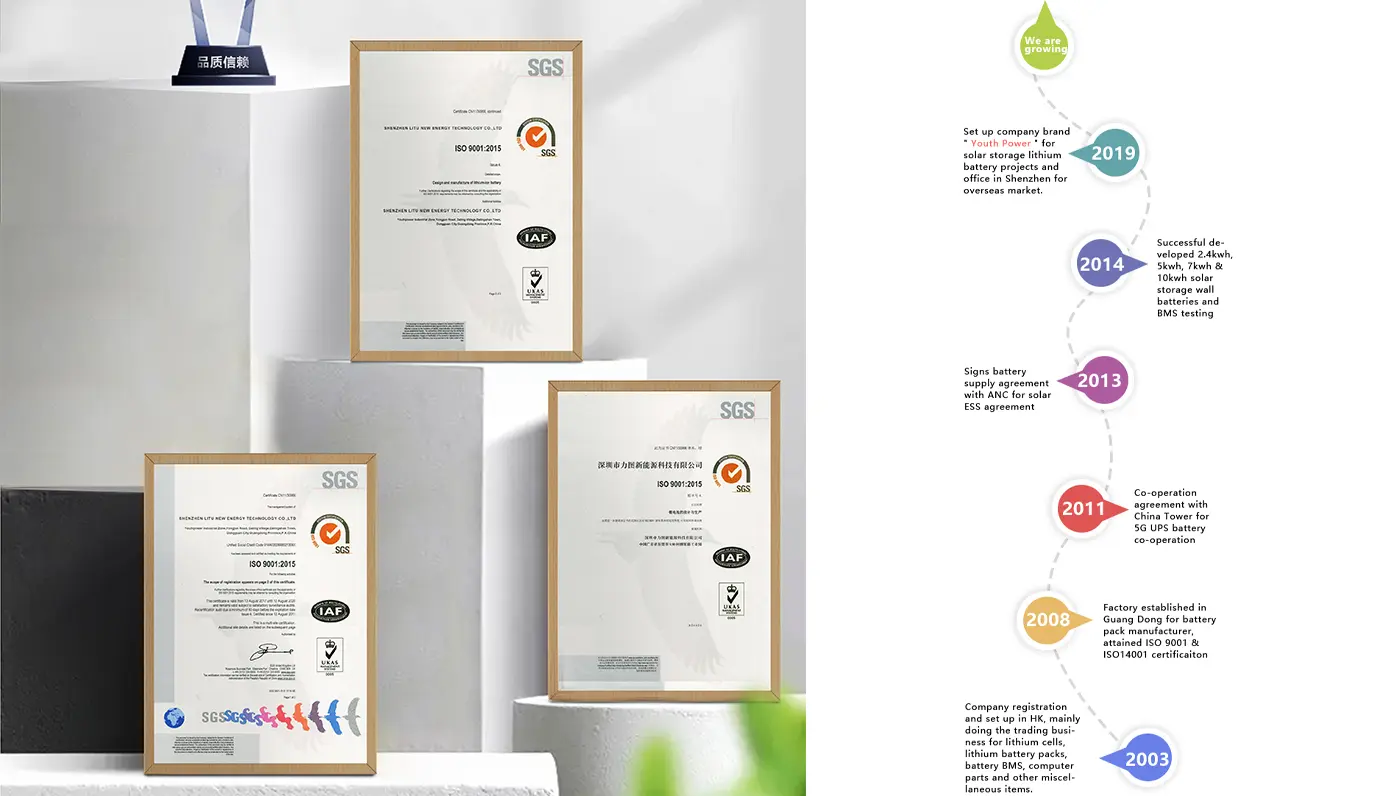
Founded in 2003, YouthPOWER has established itself as a premier global supplier of premium solar storage lithium batteries. Over the past two decades, we have invested heavily in battery chemistry development, micro-BMS firmware coding, structural engineering, and automated production. We launched our proprietary brand "YouthPOWER" in 2019, symbolizing a new era of high-performance energy solutions.

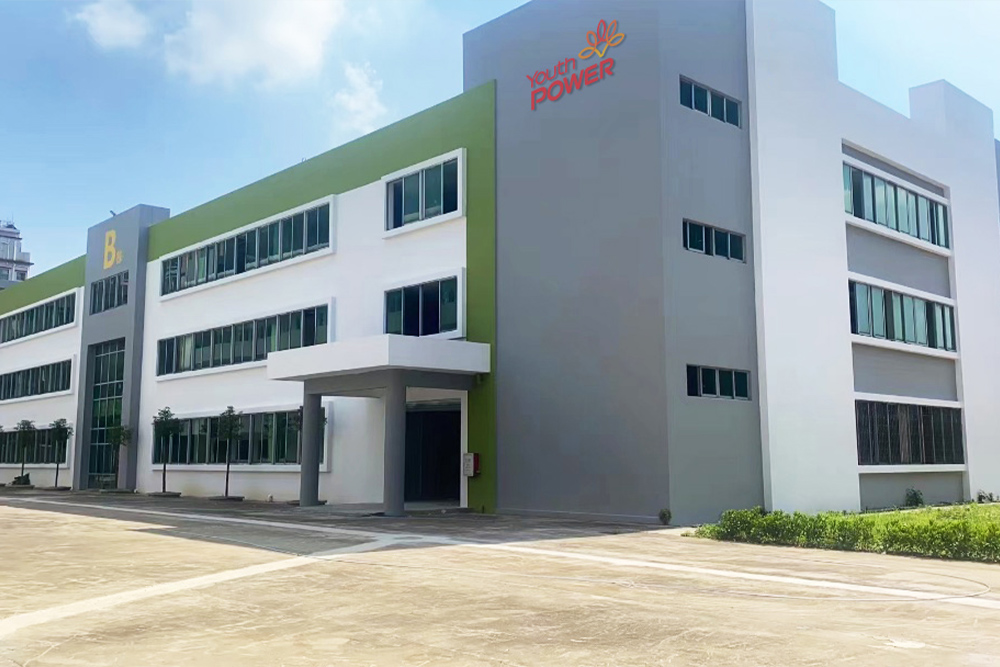
We have established deep raw material vendor partnerships. Securing direct, long-term contracts for high-grade lithium carbonate and cathode precursors ensures our manufacturing facilities can insulate customers from macroeconomic supply shocks and provide the most competitive prices in the industry.
Procuring large scale battery energy systems requires looking beyond upfront CapEx. For project developers, evaluating the total cost of ownership involves looking at cell grading, BMS efficiency, assembly methods, and integration costs.
| System Capacity Class | Typical Voltage Configuration | BMS Features | Estimated Life / Cycle Performance | Primary Industrial Use Case |
|---|---|---|---|---|
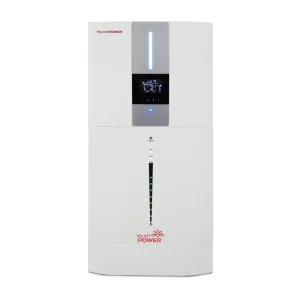
| 5kWh - 15kWh (Residential) | 25.6V / 51.2V (100Ah-300Ah) | Passive Balancing, CAN/RS485 | 6,000 Cycles @ 80% DoD | Home PV Storage, Emergency Backup |
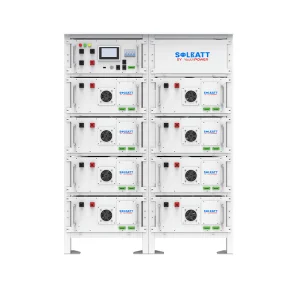
| 50kWh - 150kWh (Commercial C&I) | 358.4V - 512V (High Voltage) | Active Balancing, Dual Temperature Monitor | 6,500 Cycles @ 80% DoD | Peak Shaving, Microgrid Integration |
| 150kWh - 500kWh+ (Utility Scaled) | 512V - 1000V+ High Density | Multi-tiered Master/Slave BMS, Liquid Cool | 8,000 Cycles @ 80% DoD | Substation Smoothing, Large Solar Farms |
Key cost drivers in high-capacity storage manufacturing include:
Large battery installations serve distinct functions across different grid segments. Customizing energy management systems ensures maximum performance, safety, and financial return.
High peak demand charges can represent up to 50% of an enterprise's utility bill. Large battery storage cabinets discharge automatically during periods of peak factory operation, reducing maximum draw from the grid and keeping demand charges low.
For mining facilities, remote agricultural collectives, and islands, hybrid microgrids combine PV generation with large battery storage. Our 100KWh+ high-voltage LFP cabinets operate reliably under harsh weather conditions to maintain microgrid stability.
Data centers, medical facilities, and automated production facilities require reliable backup systems. High-voltage battery racks offer sub-millisecond response times, transitioning seamlessly to backup power during sudden grid outages.
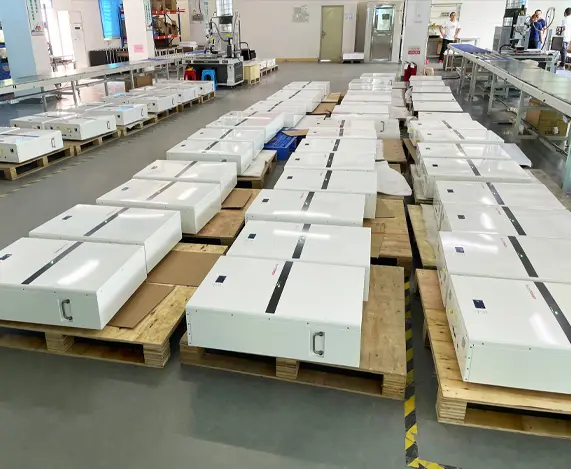
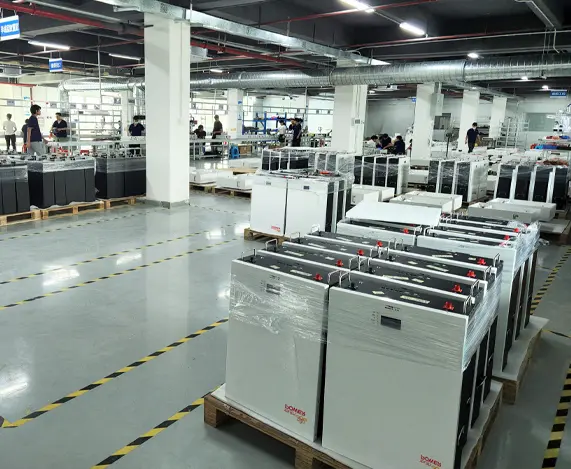
Deploying commercial-scale battery energy storage systems requires adherence to strict safety standards. Standard domestic consumer batteries lack the safety mechanisms, structural reinforcements, and certifications necessary for industrial applications.
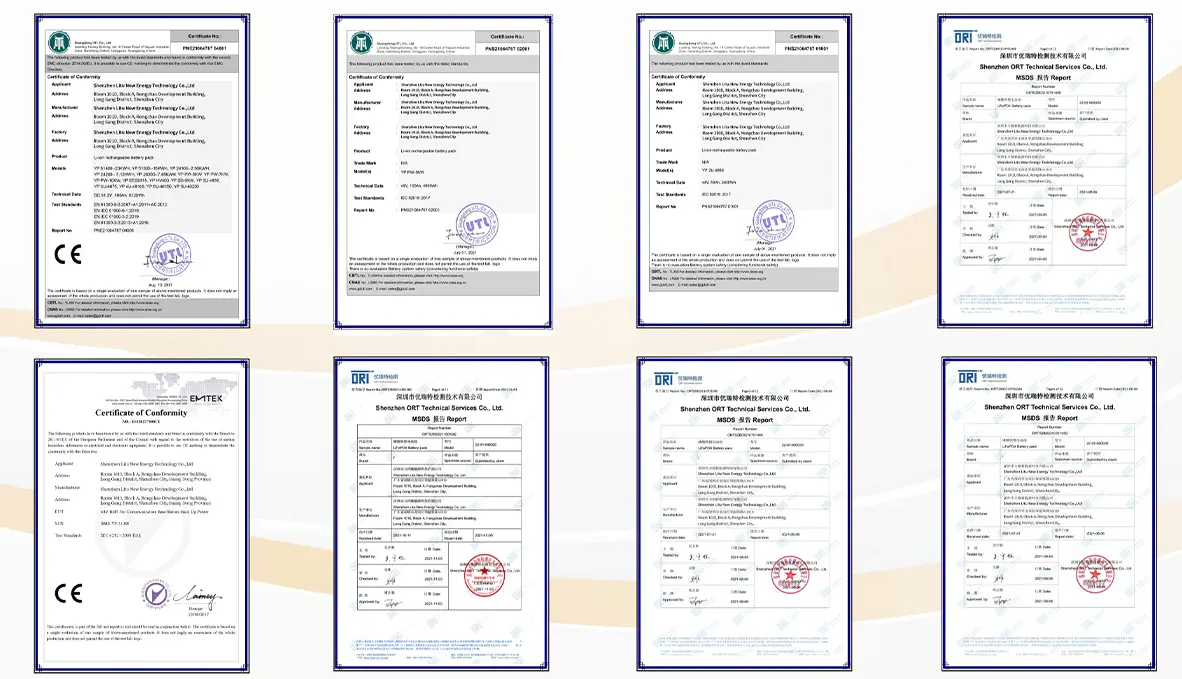
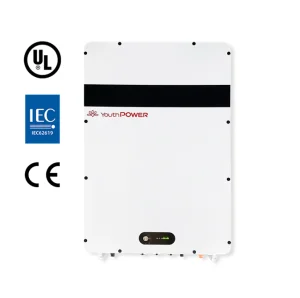
Our large battery products conform to international testing benchmarks, including UL 1973 (stationary battery standard), IEC 62619 (safety for industrial LFP), CE, and UN38.3 for secure international transport.
YouthPOWER hardware features multi-protocol communications (CAN, Modbus, RS485). This ensures seamless integration with leading commercial inverter brands such as SMA, Victron Energy, Growatt, Deye, and Studer.
Our global network of distributors and field technicians assists with system commissioning, local utility interconnect coordination, and preventative maintenance strategies.
Our research and development program focuses on increasing energy density and improving system intelligence. Our technology roadmap highlights key development milestones designed to reduce levelized storage costs for global operators.
We are developing Sodium-Ion (Na-Ion) batteries for cold-climate installations. Sodium-ion maintains reliable capacity retention at temperatures below -30°C, providing a robust solution for extreme environments.
Future YouthPOWER systems will utilize cloud-based monitoring to track cell state of health (SoH). Predictive algorithms analyze operating conditions to detect anomalies before field failure occurs.
Review technical details and installation guidelines for our commercial and industrial battery systems.
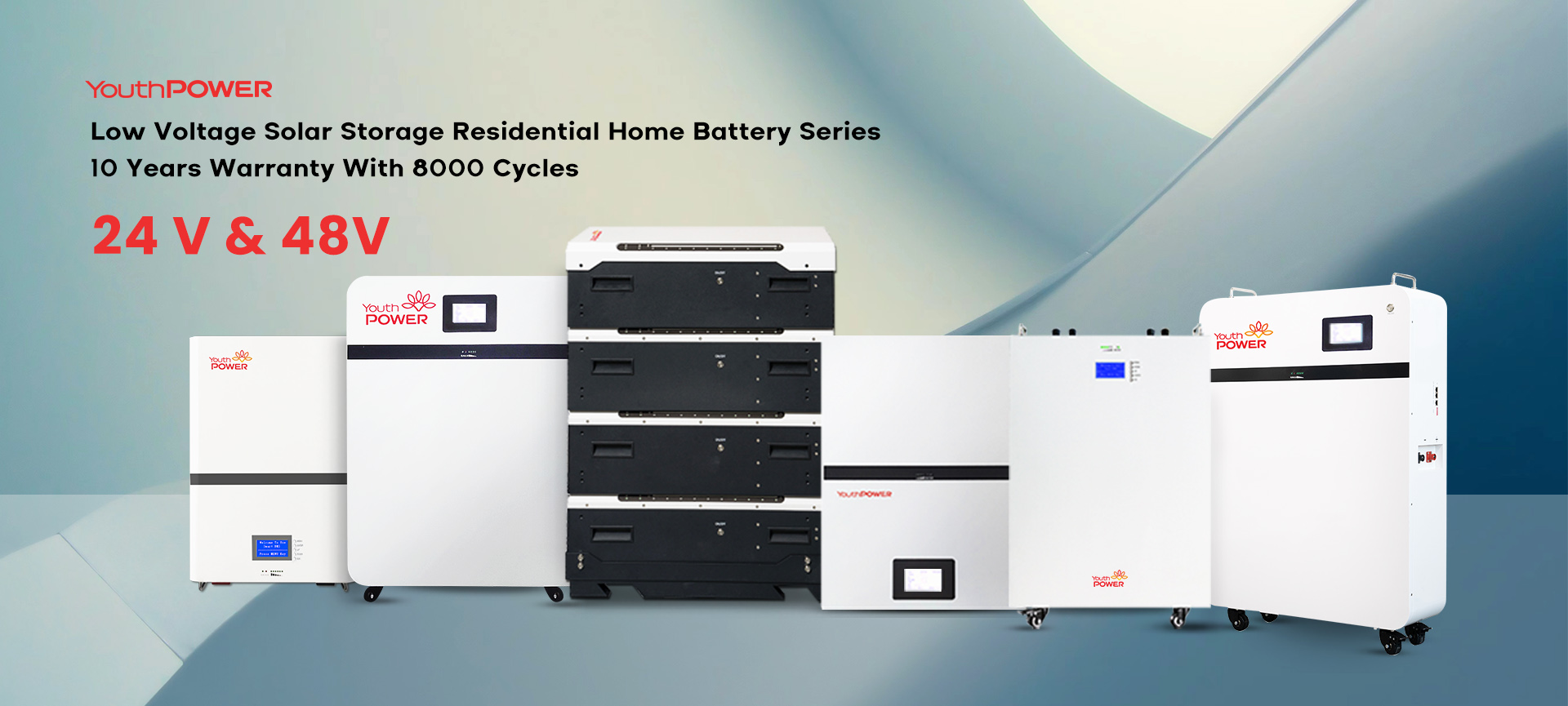
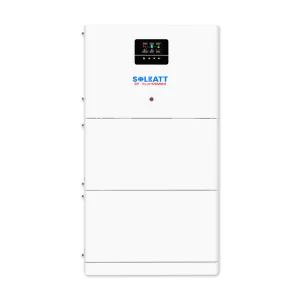
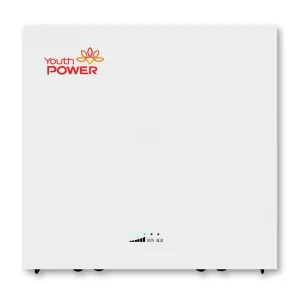
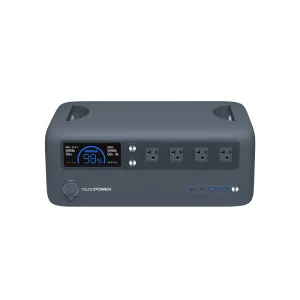
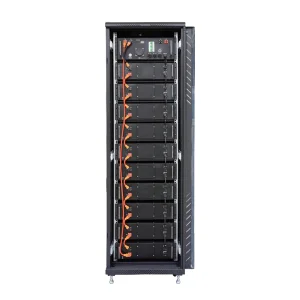
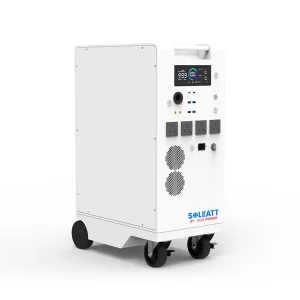
Select from our range of high-voltage battery cabinets, modular wall units, and portable systems designed to match your specific power requirements.
 YouthPOWER