Analyzing the Convergence of Power Electronics, Mechanical Integration, and Advanced Electrochemical Storage.
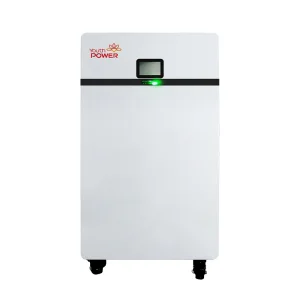
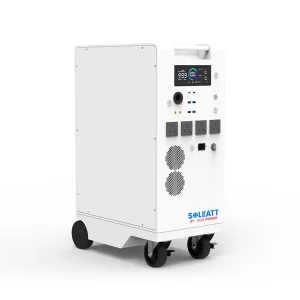
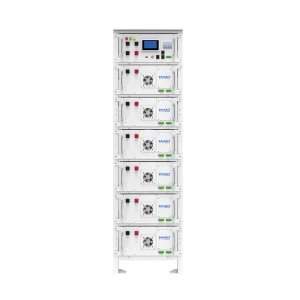
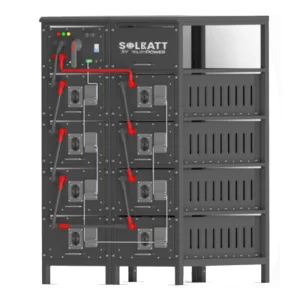
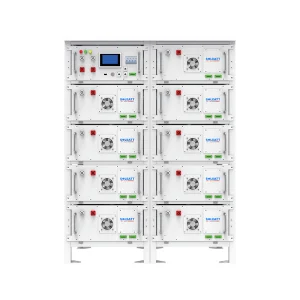
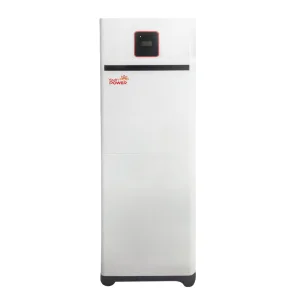
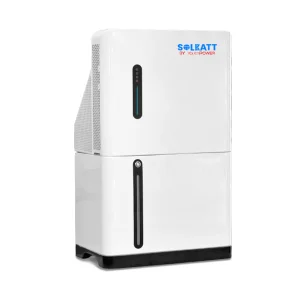
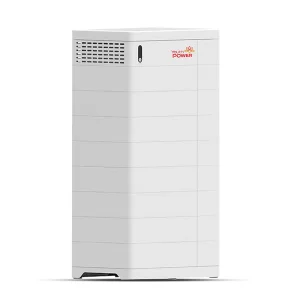
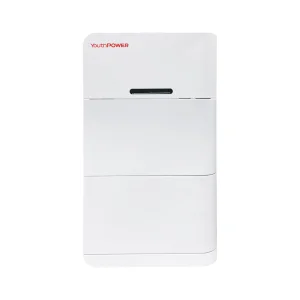
The global transition toward decentralized renewable energy networks has catalyzed a massive demand for sophisticated containment and integration systems. At the center of this technological revolution is the Inverter Battery Box—a highly specialized enclosure system engineered not only to protect advanced lithium iron phosphate (LiFePO4) chemistry but also to facilitate seamless structural integration with power conversion systems (PCS) or hybrid inverters. For commercial entities, EPC contractors, and global distributors, identifying a top-tier manufacturing partner is key to securing systems that offer high energy density, thermodynamic safety, and compliance with strict electrical standards.
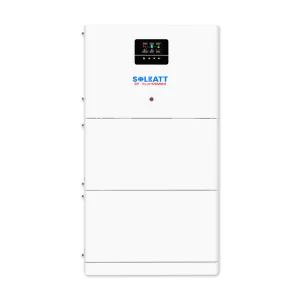
Historically, battery storage installations relied on separate, fragmented components: individual rack batteries, stand-alone inverters, external wiring conduits, and auxiliary cooling systems. This approach added significant installation complexity, increased electrical fault risks, and resulted in inefficient space utilization. The modern industry paradigm has shifted toward All-in-One (AIO) modular stackable inverter battery boxes. These systems streamline assembly, minimize transmission line losses, and optimize safety parameters through integrated Battery Management Systems (BMS) and Thermal Management Units.
Why professional B2B buyers look beyond basic metal boxes to evaluate advanced structural and electrical properties.
Advanced thermodynamics utilizing internal heat-sinks, air ducts, and optional phase change materials (PCM) to maintain battery cells at an optimal operating temperature of 15°C to 35°C, ensuring maximum lifecycle longevity.
Precision manufacturing guarantees IP54 to IP65 ratings, protecting sensitive electronics and battery modules from dust ingress, moisture penetration, and environmental degradation in harsh outdoor environments.
Seamless communication protocol linking internal battery cells with external multi-brand hybrid inverters (via CAN/RS485) for dynamic monitoring of SoC, SoH, voltage, and current protection limits.
Discover why global enterprises rely on Chinese supply chains for their custom energy storage systems.
China is the global leader in energy storage system (ESS) manufacturing, accounting for more than 75% of global lithium-ion cell production capacity. Partnering with a premier Chinese inverter battery box company offers significant strategic advantages:
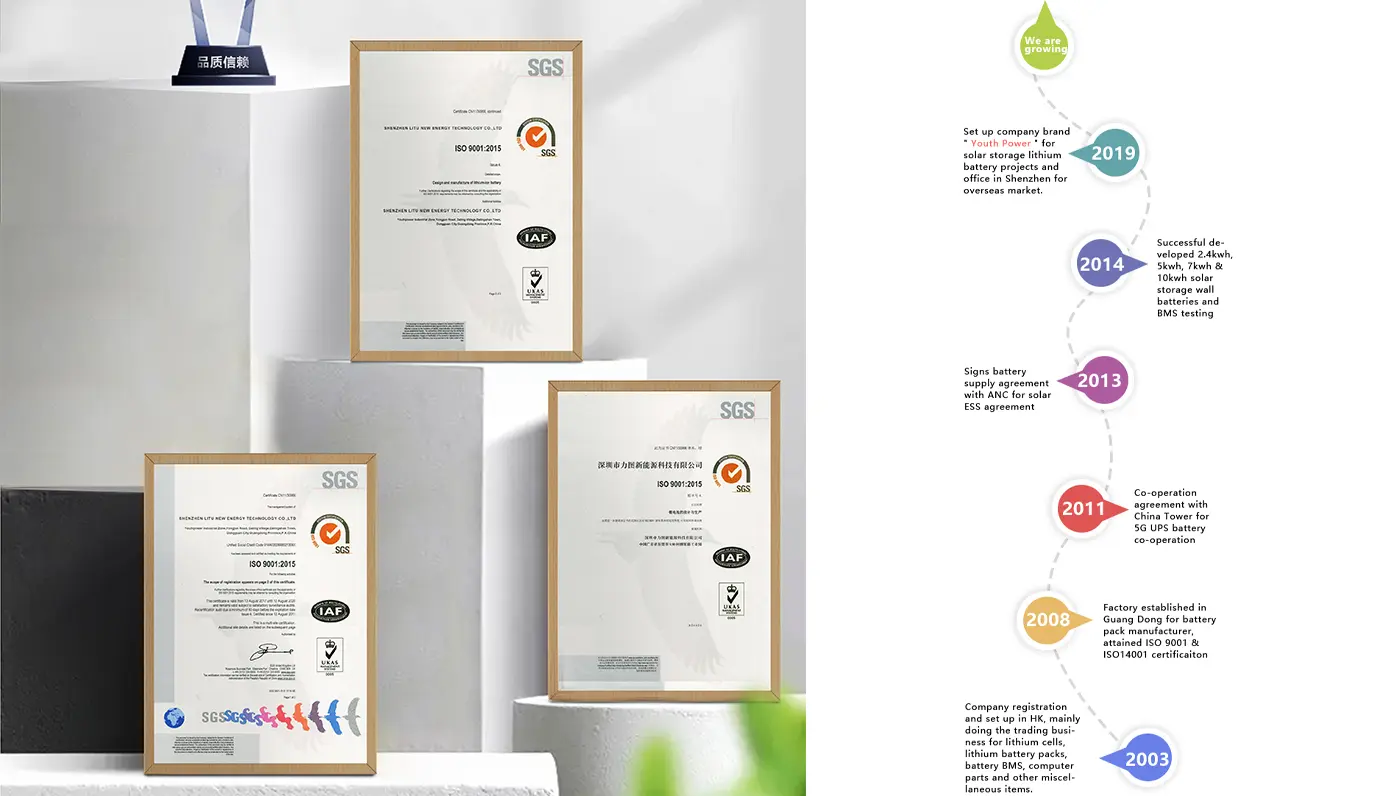
Founded in 2003, YouthPOWER has now become one of the leading suppliers of solar storage lithium batteries in the world. With a broad range of energy storage solutions, it covers a series of 24V, 48V and higher voltage lithium batteries solutions.
YouthPOWER has engaged in the battery technology and production for almost 20 years, with abundant manufacturing experience and strong new product R&D capability. Through many years of hard work and market promotion, we have created our own brand "YouthPOWER" in 2019.
With nearly 20 years’ experience in the battery industry, we have the capability to provide you with both the products you need and the most suitable products you want. We are always ready to supply the first-class products and meet the various needs of the customers.
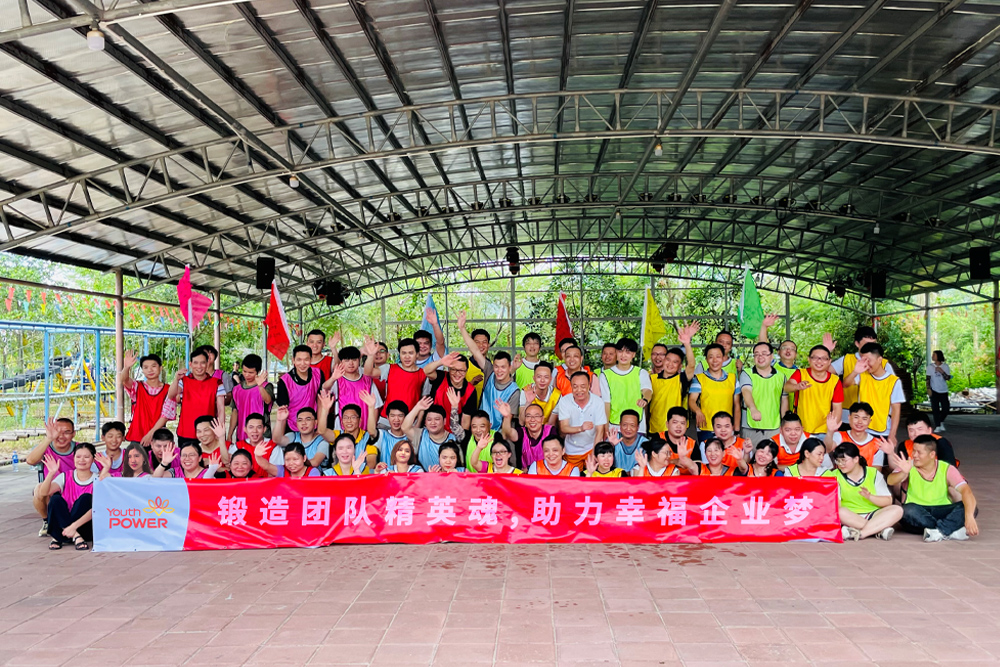
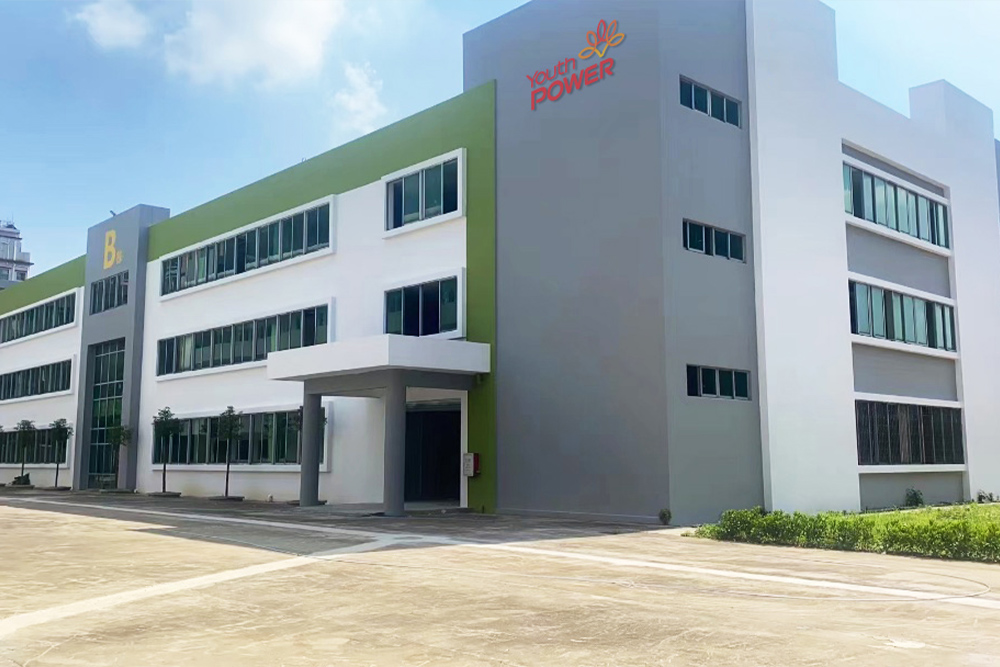
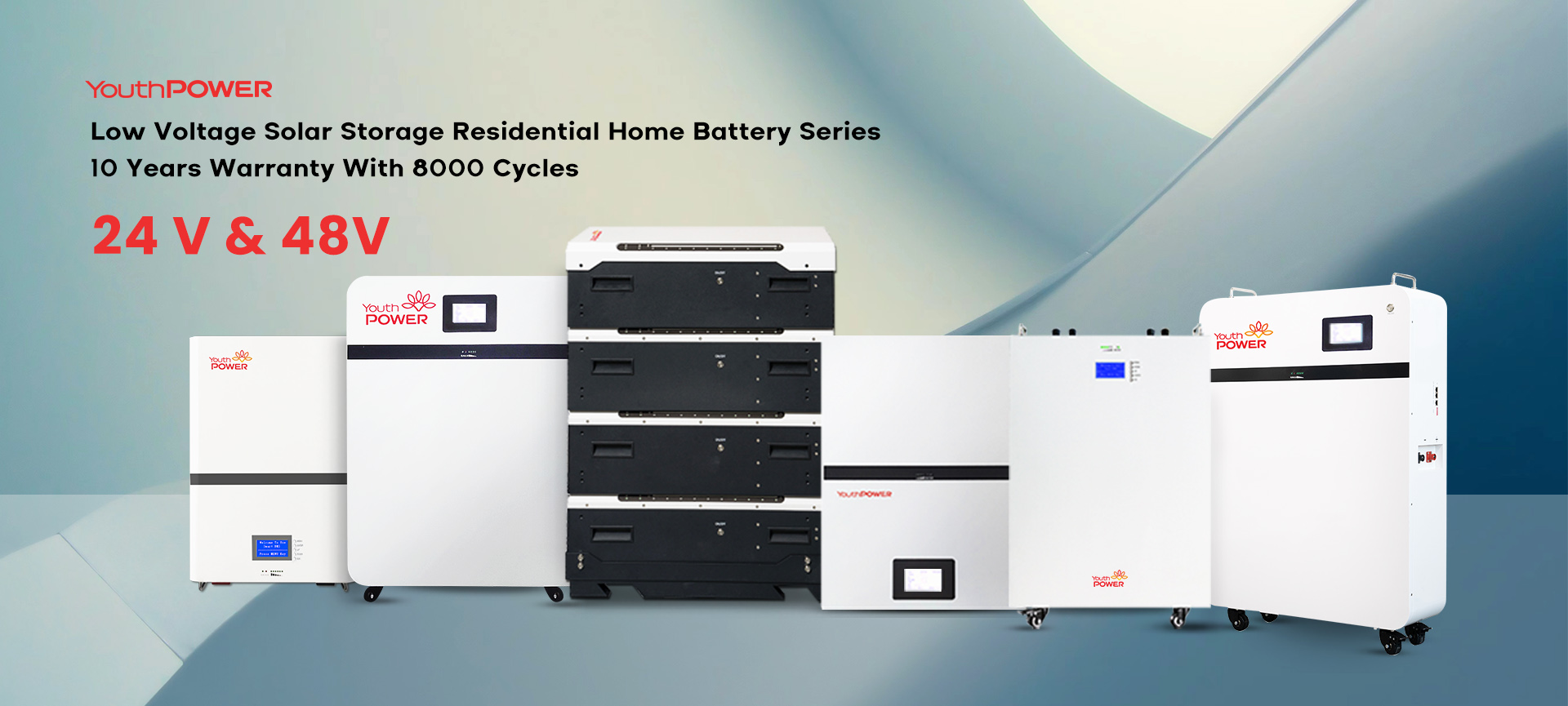
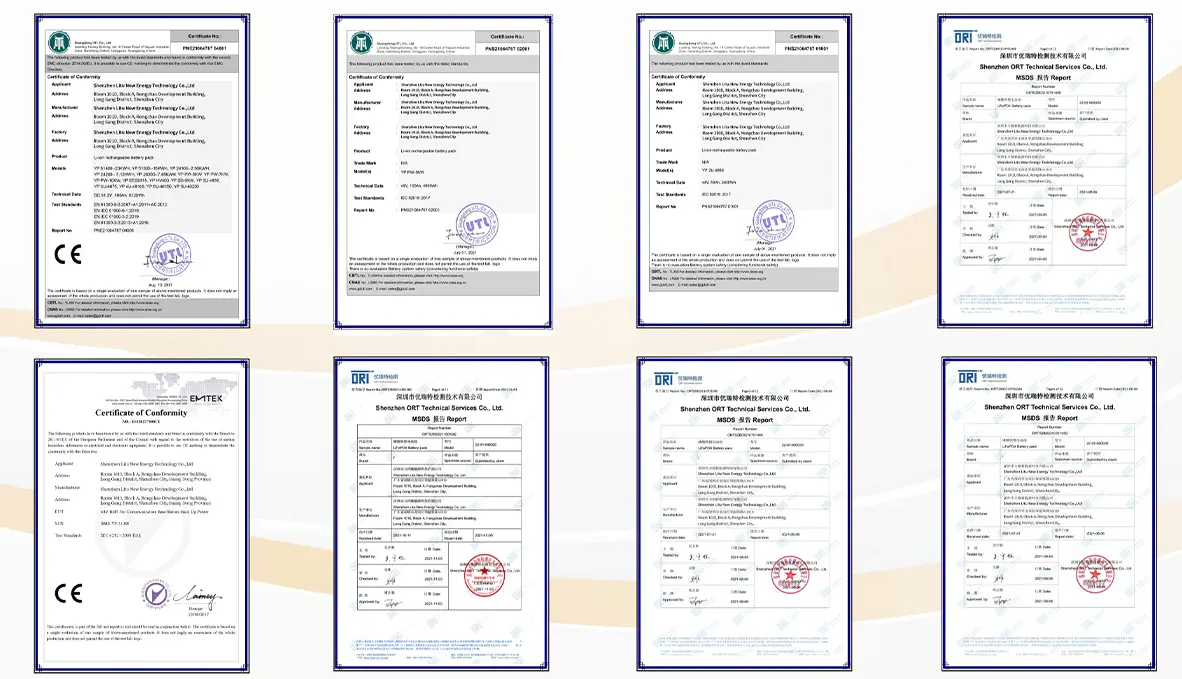
We have established good business relationships with our customers from all over the world. And we have a good cooperation with all our customers as well for many years running. Supported by our local vendors of raw materials, we can certainly offer you the best prices.
We are proud that YouthPOWER has offered reliable solar storage solutions for over 1,000,000 families worldwide. By leveraging our deep manufacturing expertise and regional supply advantages, we deliver top-tier energy storage solutions to global partners.
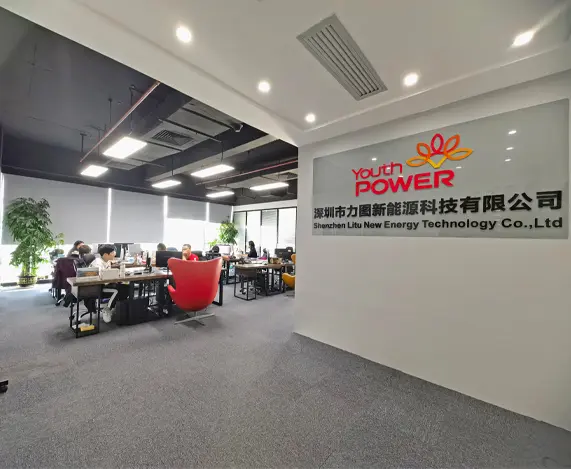
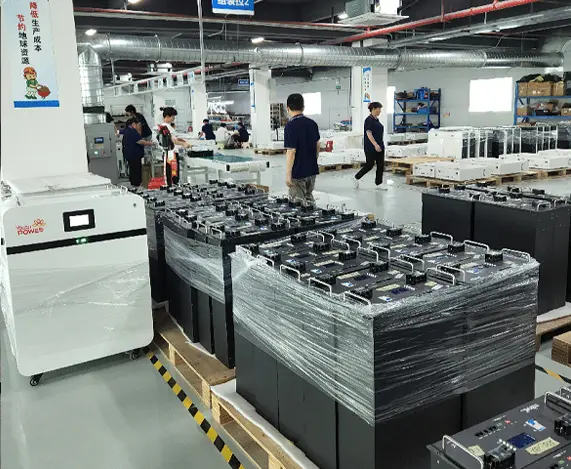
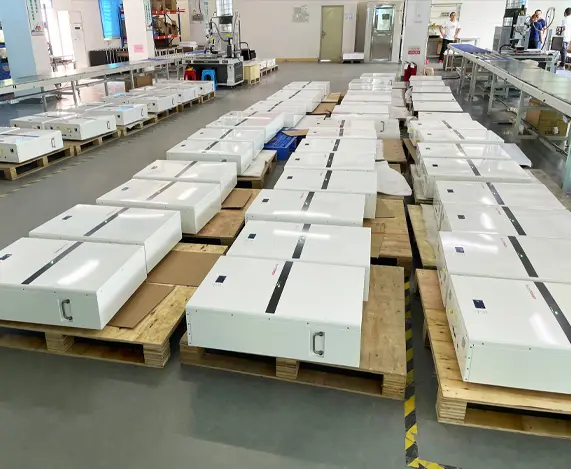
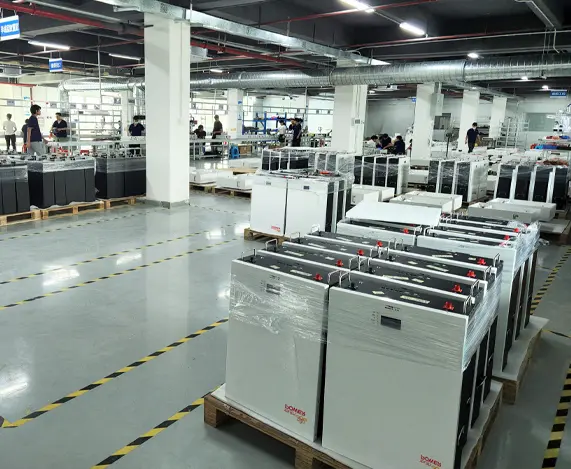
A history of pioneering breakthroughs and reliable quality assurance in global battery systems manufacturing.
Years of Manufacturing Experience
Families Empowered Globally
Regional Distributors
Safety & Traceability Tested
How the choice of inverter battery boxes adapts to regional regulations, space constraints, and electrical needs.
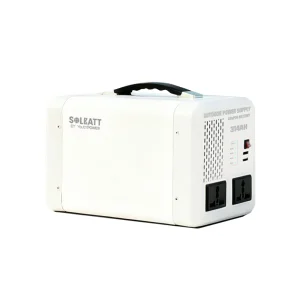
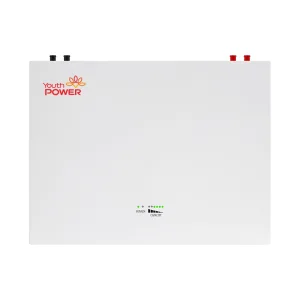
In highly urbanized regions, particularly within European markets like Germany and Austria, plug-and-play balcony solar storage systems are growing rapidly. Small-capacity systems like the 2.5KWh Balcony Solar Lithium Battery System provide an elegant solution. The battery box must be exceptionally compact, visually attractive, and safe for indoor or semi-outdoor balcony installations. It typically interfaces with micro-inverters, enabling apartment owners to offset their baseline power usage directly.
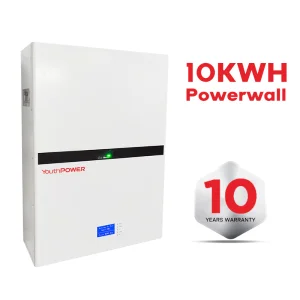
Agricultural setups, remote lodges, and telecommunication towers operate far from utility grids. In these settings, power reliability is critical. Using large-capacity battery enclosures, such as 48V 200AH (10KWH) or 15KWH LiFePO4 ESS cabinets, ensures stable off-grid electricity. These systems are designed with heavy-duty thermal isolation to withstand extreme cold or intense desert heat.
Commercial installations face steep demand charges during peak utility hours. High-voltage energy storage systems ranging from 85KWH to 129KWH with voltages exceeding 300V-460V allow businesses to store low-cost energy overnight and discharge it when demand peaks. The enclosures for these commercial systems must feature integrated fire protection, advanced HVAC systems, and reliable multi-cabinet parallel controls.
Crucial standards for purchasing directors and wholesale importers.
For B2B procurement professionals representing international solar distribution firms, vetting potential manufacturers requires looking beyond basic price-per-kilowatt-hour metrics. The following evaluation framework helps guarantee system reliability and compliance:
In-depth answers to common technical queries about inverter battery boxes and energy storage integration.
An AIO system pre-integrates the inverter connection ports, protection circuits, and battery units into a single cabinet. This reduces installation time by up to 70%, lowers wiring error risks, and creates a much cleaner, space-saving footprint.
Yes. Our integrated Battery Management System (BMS) supports communication protocol switching via internal DIP switches or CAN/RS485 settings. It is compatible with major global inverter brands like Growatt, Deye, Victron, Goodwe, and Solis.
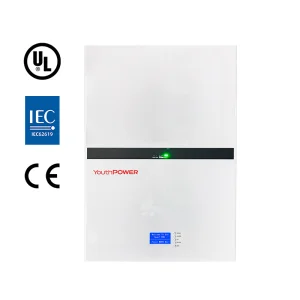
For safe international installation and compliance, look for IEC 62619, UL 1973 (for battery modules), UL 9540 (for complete systems), CE, UN38.3 (for safe transport), and MSDS documentation.
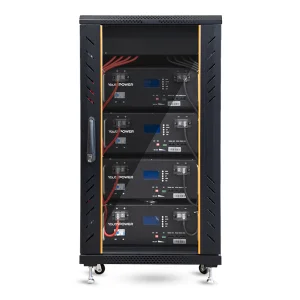
High-voltage stackable battery boxes utilize plug-and-play connections. Users can simply stack additional battery modules on top of each other without external wiring, automatically expanding system capacity while maintaining a clean look.
Low-voltage (48V/51.2V) systems are highly customizable and popular for residential setups. High-voltage systems (ranging from 100V to over 400V) deliver higher conversion efficiency, reduce line current loss, and are ideal for large commercial and industrial (C&I) applications.
Lithium Iron Phosphate (LiFePO4) offers excellent thermal stability, non-combustibility, and an impressive cycle life (exceeding 6000+ cycles at 80% DoD). This makes it significantly safer and more durable than traditional ternary lithium (NMC) cells.
Designed with premium Grade-A cells and smart cooling systems, YouthPOWER battery boxes are built to operate reliably for 10 to 15 years, depending on charge/discharge rates and local environmental conditions.
Lithium batteries are classified as Class 9 Dangerous Goods. We pack all systems in certified UN-approved plywood crates and work with specialist dangerous goods freight forwarders to manage sea freight, customs clearance, and deliver full documentation.
 YouthPOWER