Explore our direct-from-factory catalog of advanced LFP chemistry options engineered for ultimate round-trip efficiency and cycle longevity.
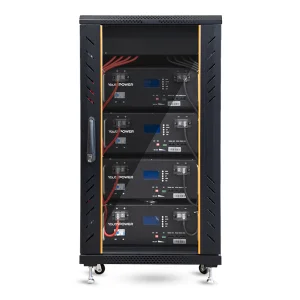
Best 20kwh battery system Li-ion Battery Solar System 51.2V 400ah Factory, Price
Buy 2.5KWH Balcony Solar Lithium Battery System Factory, Company
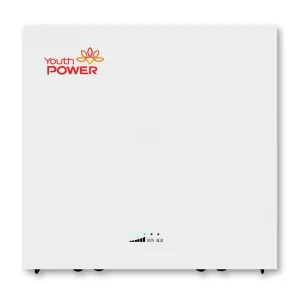
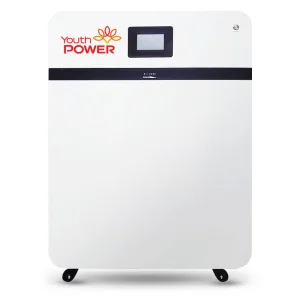
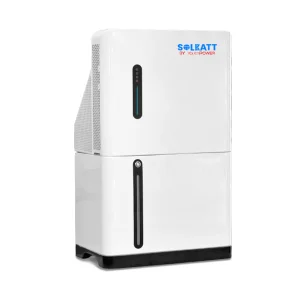
Buy YouthPOWER Mini Wall Battery 2KWH & 5KWH Factory, Factories
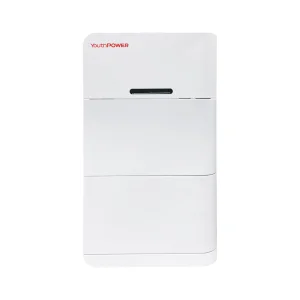
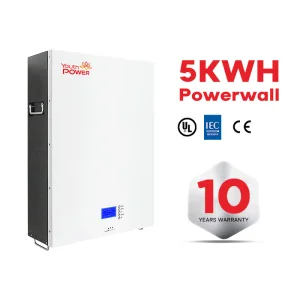
Buy 5kWh 51.2V 48V 100Ah Lithium Ion Battery Factory, Company
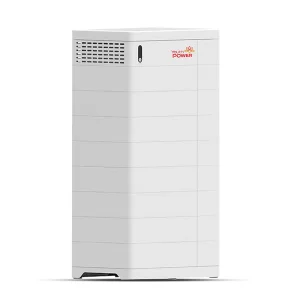
Best YouthPOWER HV Stackable Inverter Power Box Factory, Factories
Two decades of technical innovation in electrochemical power backups and clean energy supply chains.
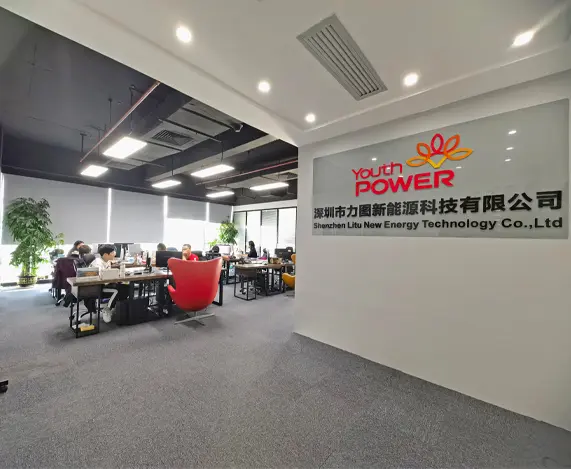
Founded in 2003, YouthPOWER has now become one of the leading suppliers of solar storage lithium batteries in the world. With a broad range of energy storage solutions, it covers a series of 24V, 48V and higher voltage lithium batteries solutions.
YouthPOWER has engaged in the battery technology and production for almost 20 years, with abundant manufacturing experience and strong new product R & D capability. Through many years of hard work and market promotion, we have created our own brand "YouthPOWER" in 2019.
With nearly 20 years’ experience in the battery industry, we have the capability to provide you with both the products you need and the most suitable products you want. We are always ready to supply the first-class products and meet the various needs of the customers.
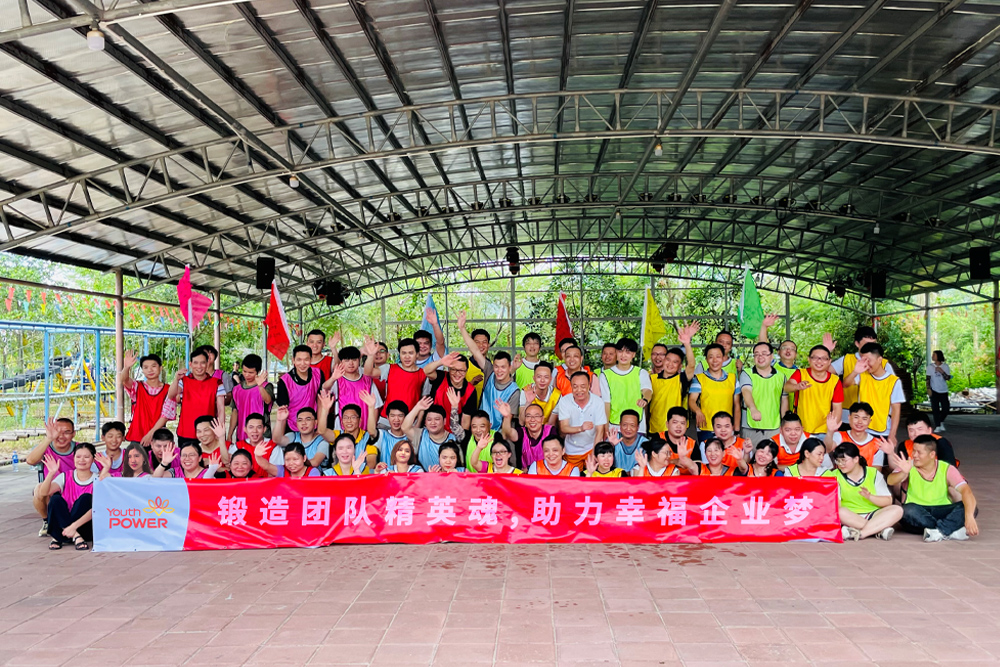
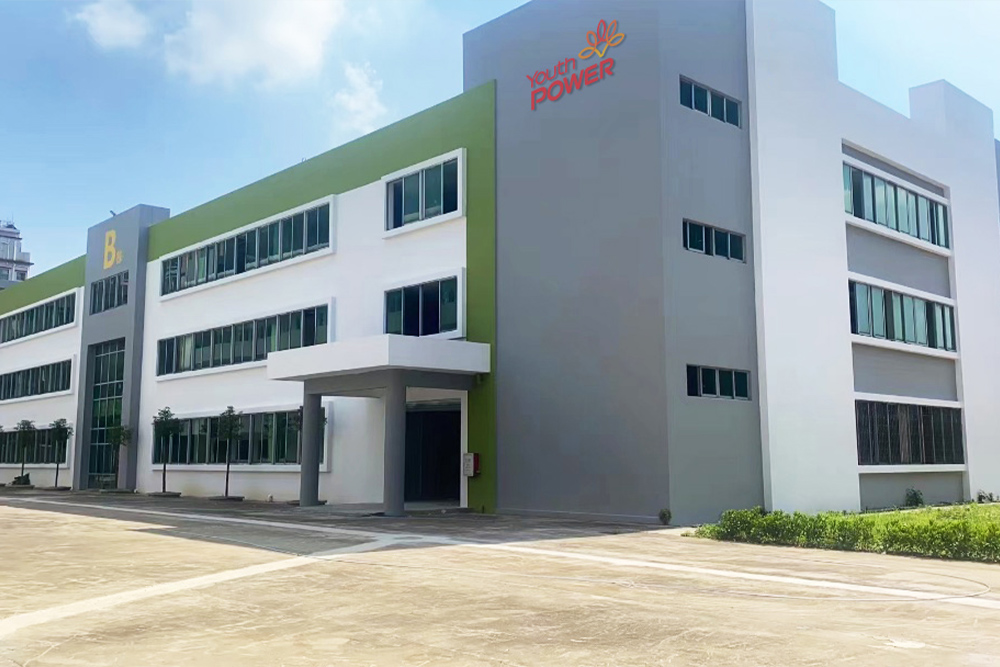
We have established good business relationships with our customers from all over the world. And we have a good cooperation with all our customers as well for many years running. Supported by our local vendors of raw materials, we can certainly offer you the best prices.
We are so proud that YouthPOWER has offered the reliable solar storage solution for over 1,000,000 families now in the world.
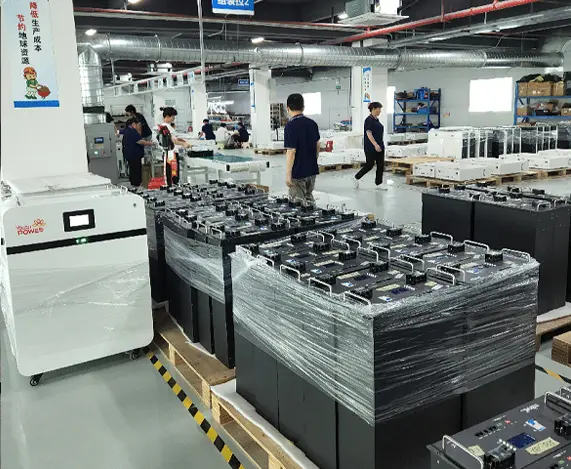
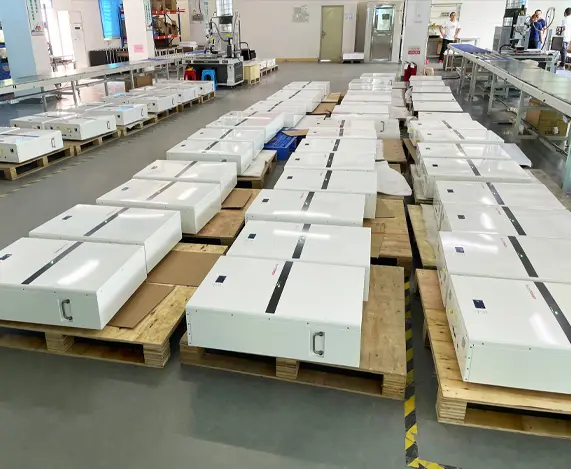
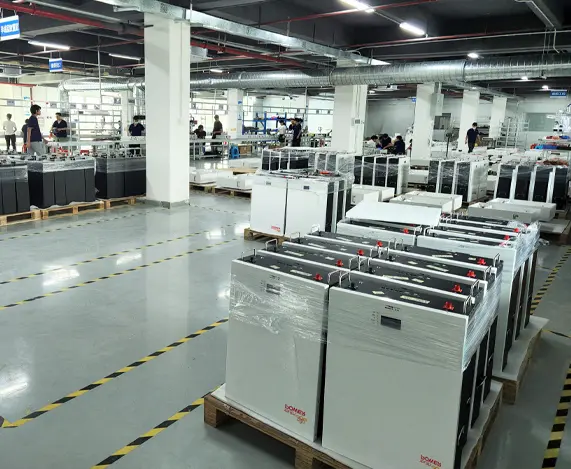
To guarantee the longest life cycles for lithium iron phosphate (LiFePO4) systems, YouthPOWER utilizes advanced automated laser welding, high-precision BMS calibration, and integrated computerized aging tests. Our strict production protocol filters out cell discrepancies before packaging, keeping the internal resistance delta of cell groups minimal.
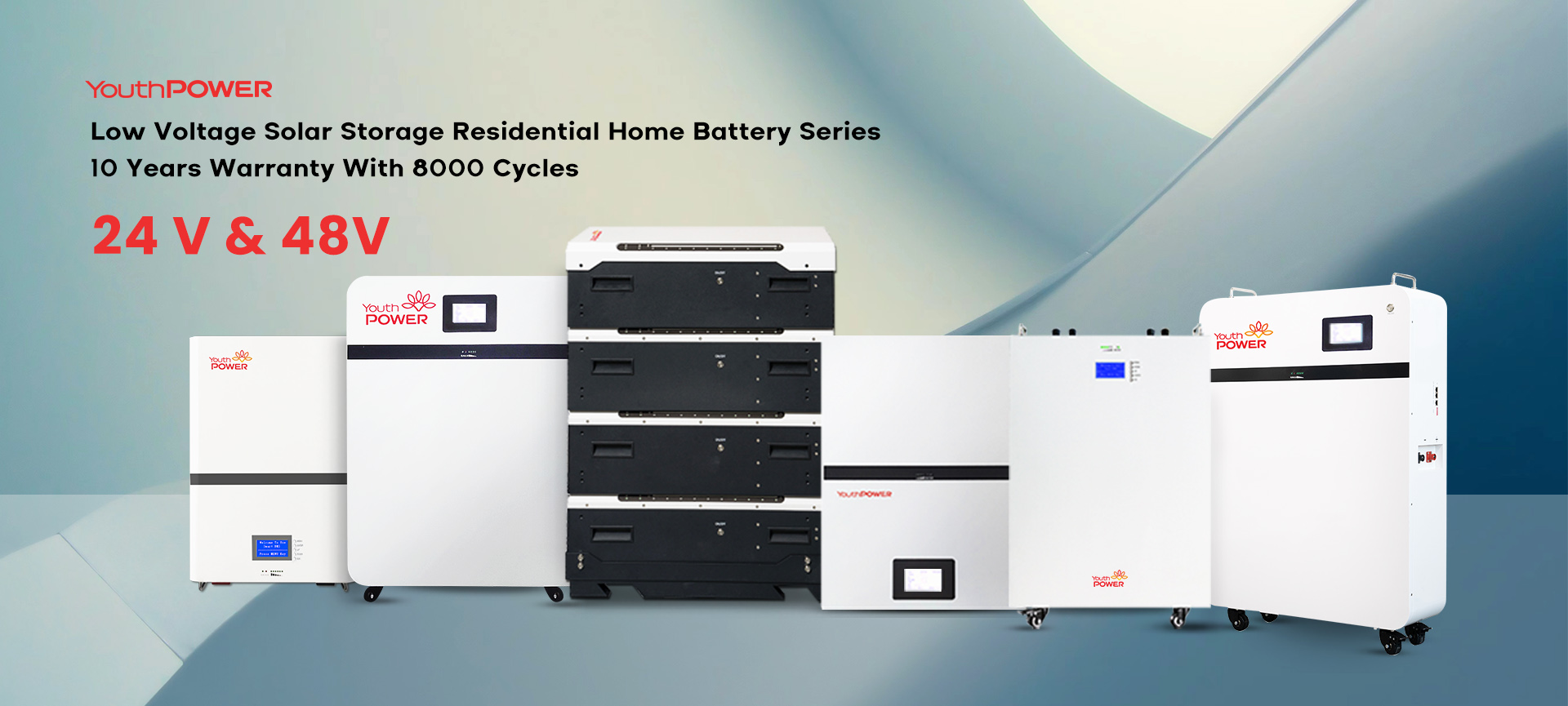
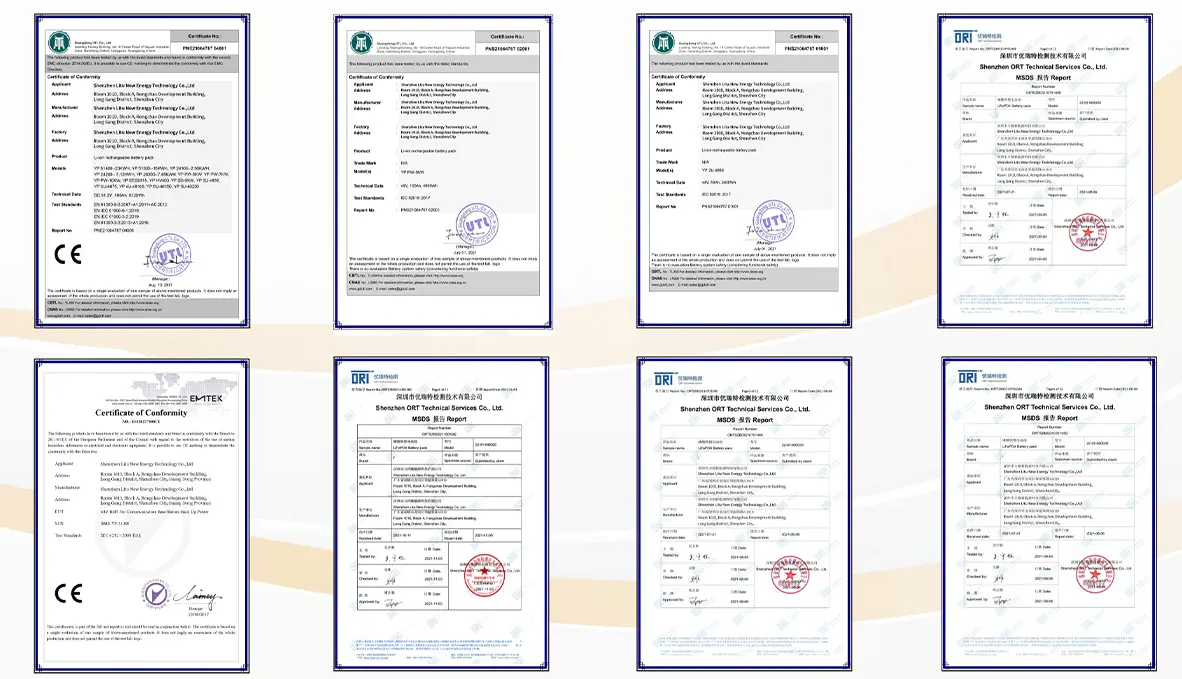
Our power wall, high voltage stackable rack cabinets, and all-in-one residential solutions undergo rigorous vibration, short-circuit, and high-impact physical testing. With integrated heavy-duty steel structural enclosures, YouthPOWER ensures every battery cabinet withstands severe logistics environments and performs flawlessly in the field.
How battery backup stations serve as grid-stabilizing assets in commercial, utility, and hybrid grid infrastructure networks.
Industrial facilities globally face expensive peak-demand utility charges. Installing high-capacity storage like our 172KWH and 186KWH LFP cabinets allows factories to discharge stored energy during peak utility load periods. This offsets dependency when pricing spikes, significantly reducing monthly utility bills.
Sensitive computer centers, processing equipment, and cold chain storage must avoid grid dropouts. Modern systems feature intelligent power control systems (PCS) with sub-10ms transfer speeds. This guarantees zero hardware resets and prevents productivity disruptions.
As standard net-metering structures decline globally, battery storage is critical for retaining onsite solar energy. Instead of exporting clean power to the grid at low rates, systems capture daytime production surplus to power evening and morning requirements.
Custom configurations engineered to meet distinct regional installation needs, regulatory conditions, and climate limitations.
Urban density in Germany, Italy, and France requires compact, highly aesthetic micro-ESS installations. Balcony Solar systems, specifically our 2.5KWH storage unit, connect seamlessly with microinverters. Residents can set up solar battery backups on standard outdoor balconies, saving daytime generation directly into the battery via plug-and-play connections.
Residential homes in the United States and Canada run high-surge loads like HVAC compressors, heat pumps, and well pumps. Our Split U.S. Inverter Hybrid 8KW system operates on split-phase 120V/240V, bypassing external transformer costs and minimizing energy losses. Stacked configurations deliver 10KW to 25KW capabilities, providing robust storm backup.
Mines, agricultural processing plants, and island resorts often lack stable grid connections. Using high voltage cabinet setups like the 409V 280Ah 114Kwh system allows developers to build local mini-grids. Heavy industrial machinery can start up without voltage dips, powered by solar arrays during high-insolation hours and supported by battery banks overnight.
Understanding internal layout, energy losses, and safety protocols to choose the correct system architecture.
| Design Metric | Low Voltage Systems (24V - 48V / 51.2V) | High Voltage Systems (100V - 400V+) |
|---|---|---|
| System Efficiency | Moderate (high current causes thermal/resistance losses). | High (lower currents reduce thermal loss by up to 10%). |
| Wiring & Installation | Thick cables required. Good for DIY & smaller scale storage. | Thin cables. Modular stackable connections make layout easy. |
| Typical Applications | Residential backup, off-grid homes, RVs. | Commercial Peak Shaving, microgrids, high-capacity residential. |
| BMS Requirements | Standard single-unit control, easy protection management. | Advanced master-slave multi-level management controllers. |
Industrial certifications and safety guidelines ensuring high performance in global commercial networks.
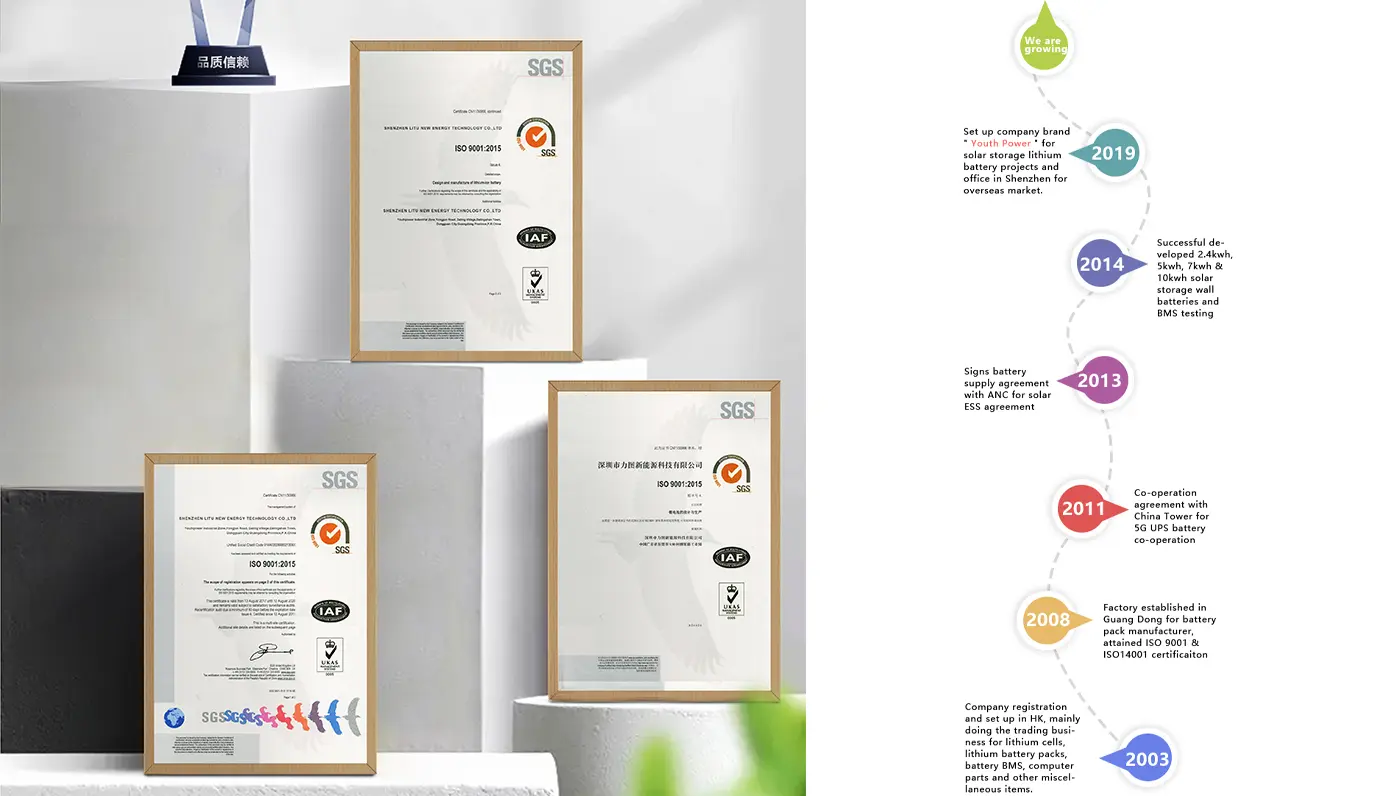
When sourcing industrial and residential power backup systems, compliance is essential for safety, insurance, and grid connection approvals. Over 20 years, YouthPOWER has refined its engineering designs to meet strict international standards, ensuring smooth commissioning at the site.
Every YouthPOWER battery features an advanced Battery Management System (BMS) with multi-level safety protection. It tracks individual cell voltages, controls charging currents, monitors internal temperatures, and balances cells automatically. If voltage or thermal thresholds are exceeded, the BMS instantly isolates the affected module to protect the surrounding environment.
Continuous evolution in lithium battery chemistry and automated manufacturing processes.
YouthPOWER continues to evolve by developing new solid-state battery technologies, refining high-density energy cells, and introducing AI-driven cloud diagnostics. Our smart BMS models allow global users to track battery health, predict cycle life, and balance charging profiles remotely.
Our long-term manufacturing timeline highlights our journey from a local production line to a leading international tier-1 exporter, supplying over one million households worldwide.
Understanding manufacturing costs, bulk volume discounts, and OEM/ODM engineering parameters.
Sourcing directly from YouthPOWER removes distributor markups and grants access to direct engineering support. By utilizing local raw material vendor relationships, we keep pricing highly competitive without compromising on premium cell quality.
We provide full customization for specialized projects, including branded enclosures, non-standard voltage ranges (e.g., customized high-voltage cabinets), and localized communication protocols (CAN, RS485, RS232) to match specific hybrid inverters (e.g., SMA, Victron, Deye, Growatt).
When calculating costs, look beyond the initial purchase price to consider the Levelized Cost of Storage (LCOS):
LCOS = Initial System Cost / (Total Battery Capacity × Cycles × DoD × Round-Trip Efficiency)
Our high-grade LFP cells offer more than 6,000 cycles at 80% Depth of Discharge (DoD), yielding a significantly lower LCOS compared to standard AGM lead-acid options.
Explore our industrial-grade commercial batteries, high-voltage stackable options, and split-phase residential backup systems.
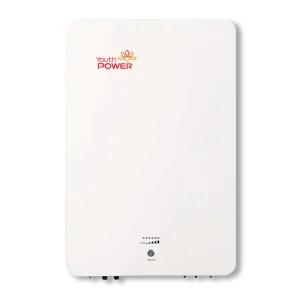
Buy High Voltage Battery 400V 12.8kwh Solar Battery Companies, Price
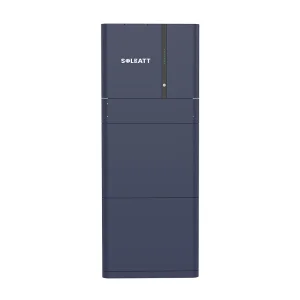
Buy YouthPOWER 3-Phase HV Inverter Battery AIO ESS Factory, Price
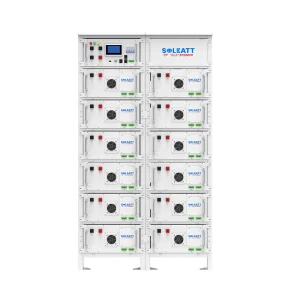
Buy 172KWH 614V 280Ah Commercial Energy Storage System Factories, Company
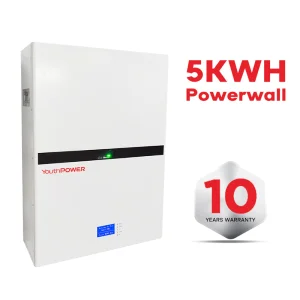
Buy 5KWH 48V 51.2V 100AH LiFePO4 Powerwall Battery Company, Companies
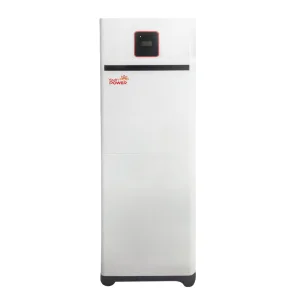
Buy Split U.S. Inverter Hybrid 8KW with Lifepo4 Solar Battery Factories, Price
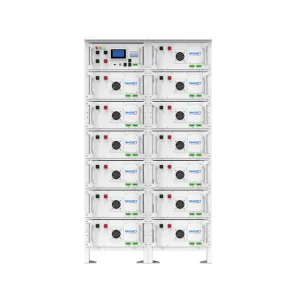
Best 186KWH 665V 280Ah Commercial Solar Battery Storage System Company, Companies
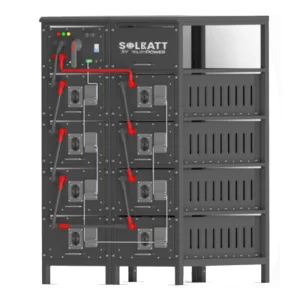
Best High Voltage 409V 280AH 114KWh Battery Storage ESS Factories, Price
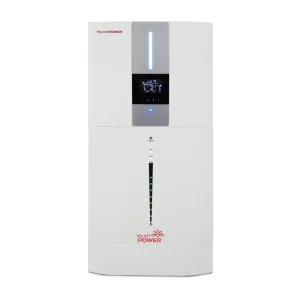
Buy All In One ESS 5KW Inverter Battery System Factory, Factories
Expert answers addressing chemistry selections, setup configurations, and wholesale pricing details.
Lithium Iron Phosphate (LiFePO4) offers significant advantages for stationary energy storage systems (ESS). It provides double the cycle life of standard NMC batteries (typically over 6,000 cycles at 80% Depth of Discharge versus 2,000–3,000 for NMC). LiFePO4 is also highly thermally stable, virtually eliminating thermal runaway risks. Additionally, it is non-toxic and cobalt-free, making it an environmentally friendly choice for home and business installations.
By increasing the voltage, the current needed to deliver the same power output is reduced. Because electrical heating loss is proportional to the square of the current (P = I²R), running a high-voltage system reduces energy losses in cables and conversion circuits. This matches inverter DC-bus voltages more closely, boosting round-trip efficiency by up to 10% and allowing the use of thinner, more cost-effective wiring.
To design an effective peak-shaving system, you must define: 1. The local peak demand profile (utility tariff schedule and peak kW levels). 2. The average daily load profile. 3. The target limit threshold. Using this data, you can scale the system’s C-rate (charge/discharge speed) and total capacity (kWh) to cover peak periods without deep-discharging the battery below its optimal limits.
Yes, YouthPOWER energy storage systems feature an open, multi-protocol BMS configuration. They communicate seamlessly with major hybrid inverter brands including Deye, Growatt, Solark, Victron, Megarevo, SMA, and Goodwe via standard CAN, RS485, and RS232 physical interfaces.
Direct sourcing from YouthPOWER removes middlemen markups, lowering the total cost of ownership. It also ensures you receive authentic, tier-1 cells and direct access to our engineers for custom firmware configurations. Our standard 5-to-10-year warranty is backed by original component testing reports, ensuring quick resolution of any issues.
 YouthPOWER