Premium-grade LiFePO4 cells, high-voltage stackable configurations, and integrated all-in-one residential & industrial energy storage solutions directly from our production lines.
A comprehensive strategic overview for engineering directors, procurement teams, and commercial developers seeking robust global supply partnerships.
The global transition to renewable energy networks has moved from simple peak shaving to complex microgrid orchestration. As utility tariffs fluctuate and carbon taxation programs intensify, companies seeking high-capacity solar battery solutions must establish partnerships with manufacturers that transcend standard trading configurations. Selecting a direct battery manufacturer rather than a localized broker guarantees process traceability, localized regulatory compliance, and a customized Levelized Cost of Storage (LCOS) model.
When selecting a tier-1 solar battery factory, procurement professionals look beyond the basic datasheet parameters. Real-world conditions require long-term thermal runaway mitigation, dynamic cell-balancing hardware, and robust Battery Management System (BMS) architectures compatible with mainstream global inverter protocols. This guide presents the industrial intelligence required to audit manufacturing lines, negotiate direct pricing agreements, and execute risk-managed supply contracts with leading manufacturing facilities in China and globally.
Direct manufacturers implement unified serialization from raw materials to module levels. This ensures matching electrochemical impedance values, extending pack lifespans to over 6,000 deep discharge cycles.
Factory-engineered architectures include direct communication integrations with tier-1 global inverter brands. This supports CAN, RS485, and Modbus networks out of the box.
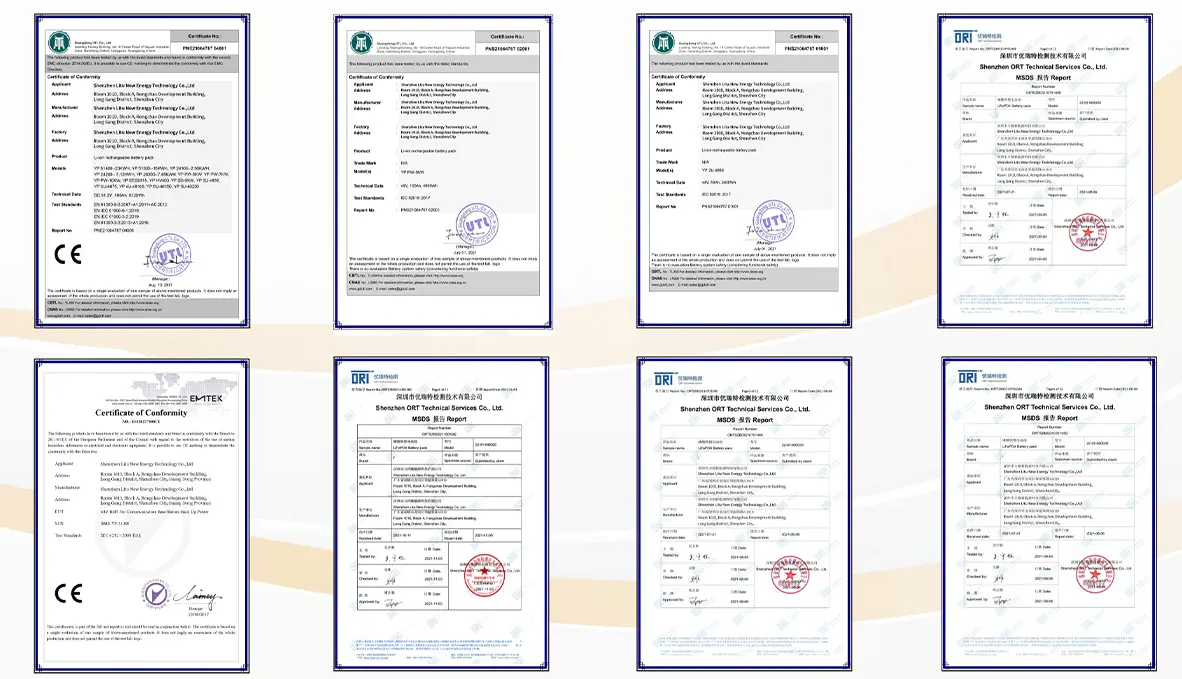
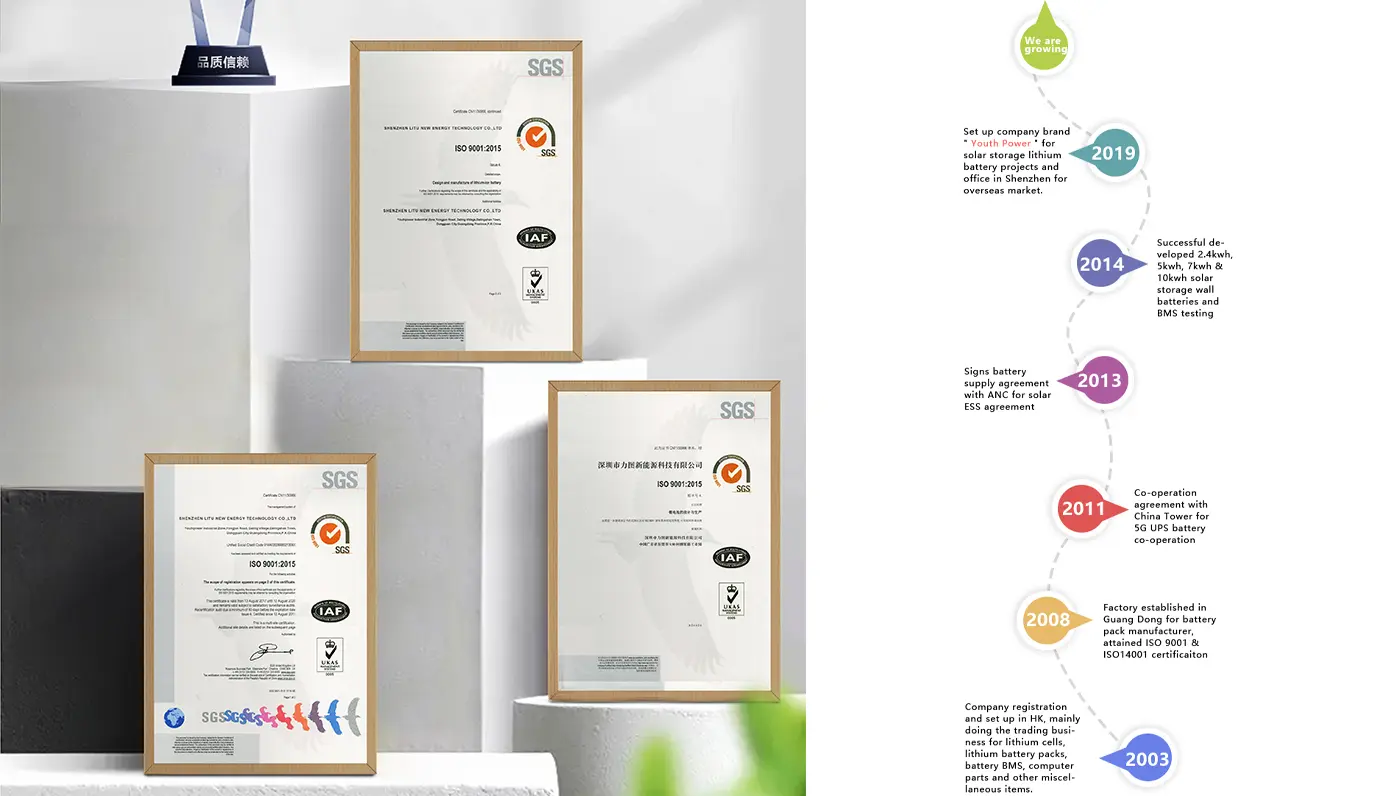
Safety compliance requires complete certifications including UL 9540A, UL 1973, CE, UN38.3, and IEC 62619, facilitating international grid connections.
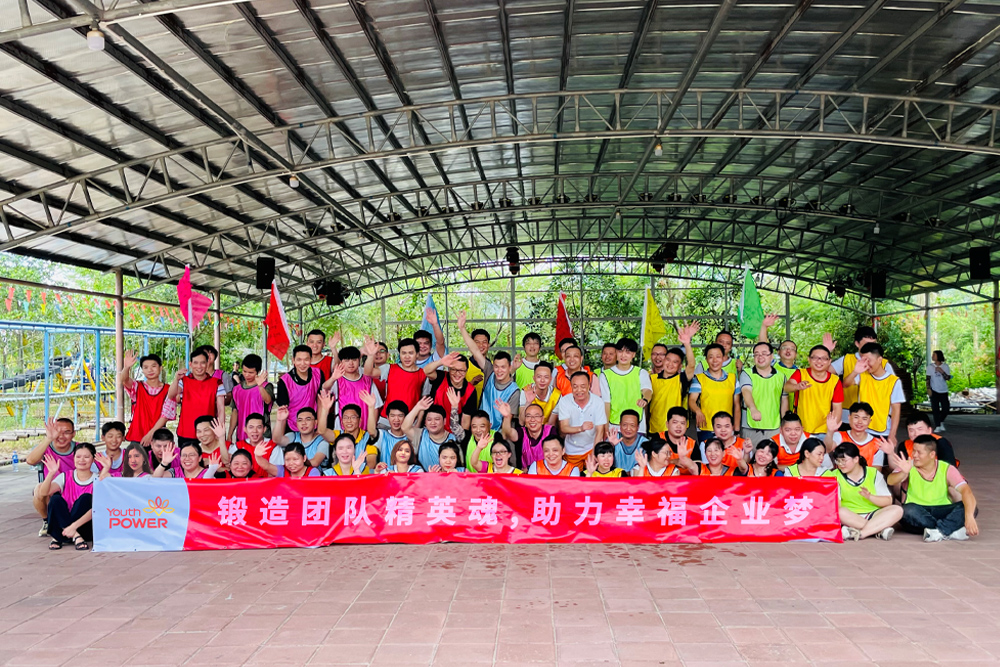
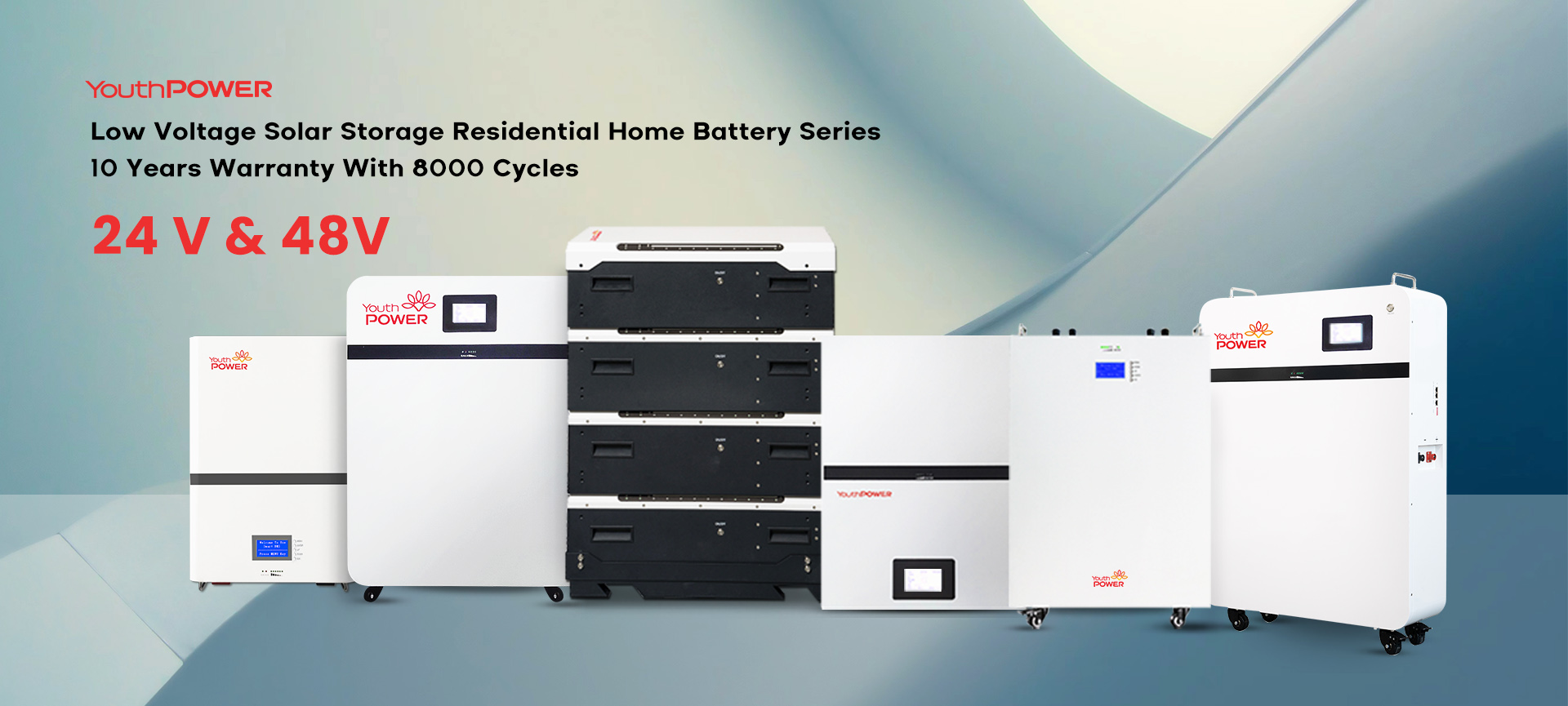
Founded in 2003, YouthPOWER has now become one of the leading suppliers of solar storage lithium batteries in the world. With a broad range of energy storage solutions, it covers a series of 24V, 48V and higher voltage lithium batteries solutions.
YouthPOWER has engaged in the battery technology and production for almost 20 years, with abundant manufacturing experience and strong new product R & D capability. Through many years of hard work and market promotion, we have created our own brand "YouthPOWER" in 2019.
With nearly 20 years’ experience in the battery industry, we have the capability to provide you with both the products you need and the most suitable products you want. We are always ready to supply the first-class products and meet the various needs of the customers.
We have established good business relationships with our customers from all over the world. And we have a good cooperation with all our customers as well for many years running. Supported by our local vendors of raw materials, we can certainly offer you the best prices.
We are so proud that YouthPOWER has offered the reliable solar storage solution for over 1,000,000 families now in the world.
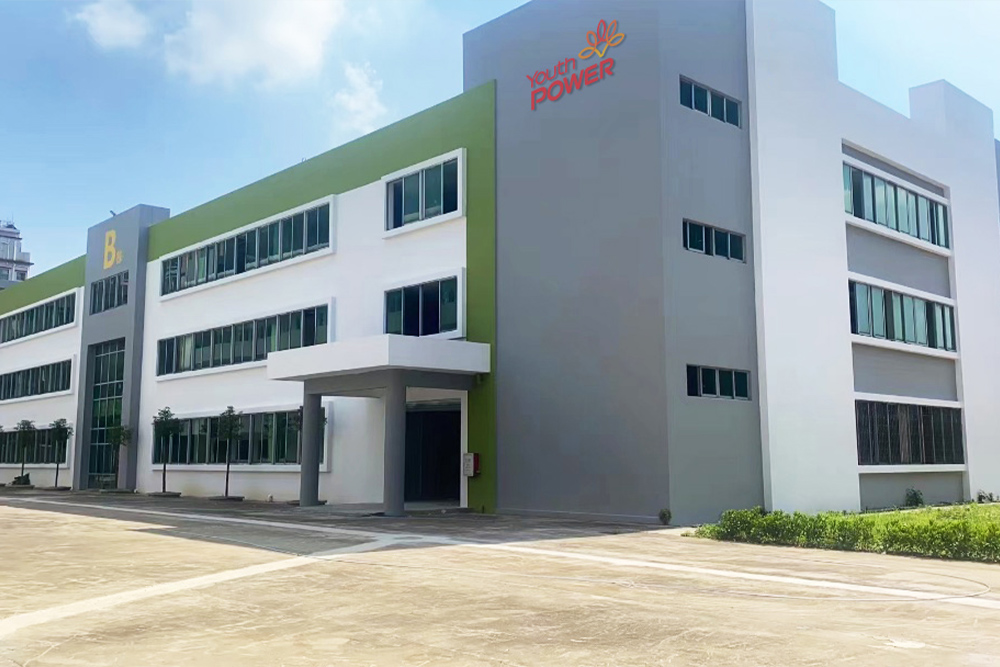
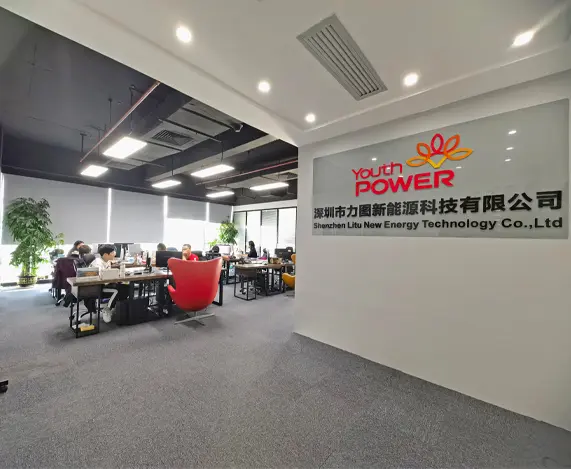
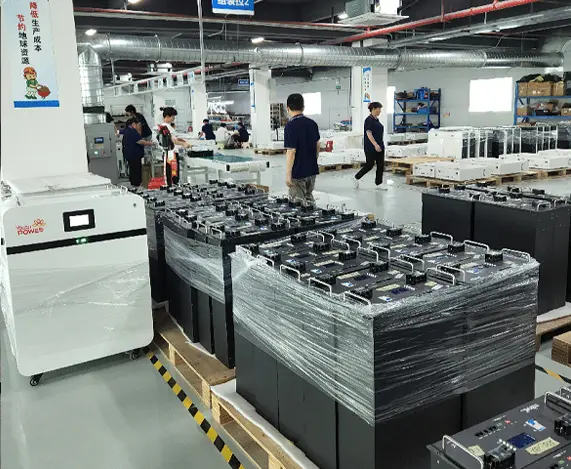
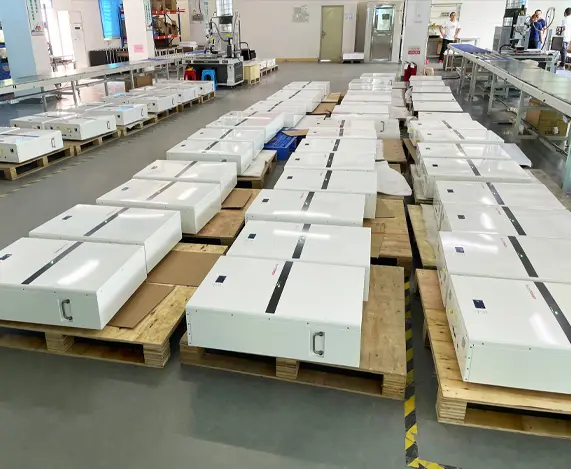
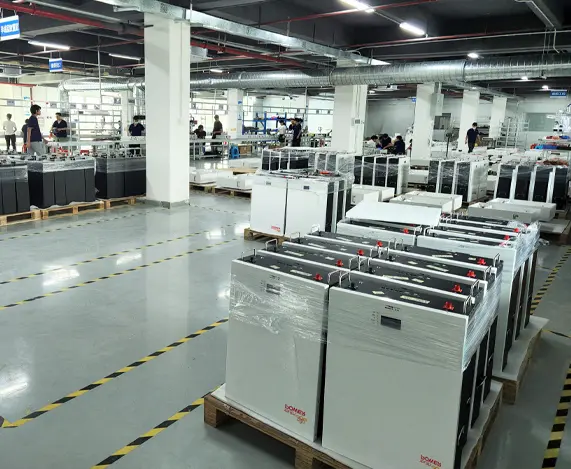
Modern lithium-ion storage requires precise cleanroom operations, moisture control, and high automated precision. Factory 4.0 manufacturing processes combine MES tracking systems with automated laser welding, computerized cell-capacity testing, and thermal testing chambers to deliver uniform, high-quality output.
Cell grading protocols separate capacity, voltage, and internal resistance parameters. Our robotic classification systems sort cells into precise matching bands. This prevents premature cell degradation, stabilizing operational capacity across the pack's lifecycle.
Laser welding replaces traditional mechanical connections, minimizing resistance and preventing connector loosening from physical vibration or thermal cycles. This robust design supports consistent high current outputs and long-term mechanical reliability.
Each battery pack undergoes comprehensive performance testing, including charge-discharge validation and thermal scanning under high loads. Automated test suites verify BMS overcharge, over-discharge, short-circuit, and high-temperature protection responses.
Our direct access to regional raw materials allows us to manage manufacturing timelines and material supply fluctuations. Partnering with domestic component suppliers ensures stable procurement costs and consistent lead times.
Energy storage continues to evolve through improvements in electrochemical density, solid-state designs, and intelligent management algorithms. Our engineering division focuses on high-voltage and intelligent systems that optimize lifecycle performance and overall return on investment (ROI).
Transitioning from 48V systems to 300V-450V platforms reduces current levels and cable cross-section requirements, minimizing round-trip system losses while increasing conversion efficiency.
Development in solid-state technologies targets higher energy density and improved safety profiles by eliminating volatile liquid organic electrolytes.
Machine learning models analyze voltage profiles to predict thermal issues and optimize cell balance dynamically, mitigating failures before they happen.
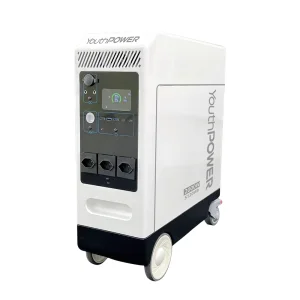
Modern applications require distinct operational features, load matching, and environmental ratings. We provide targeted architectures tailored to residential, commercial, industrial, and balcony energy storage requirements.
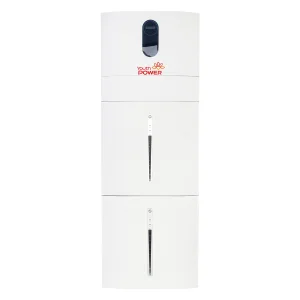
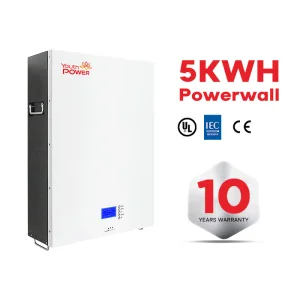
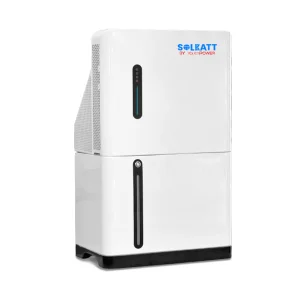
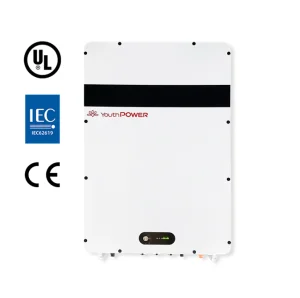
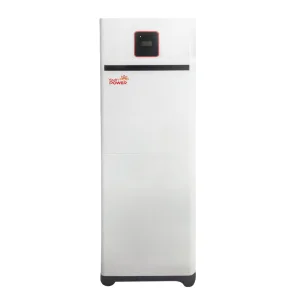
Residential systems prioritize compact profiles, easy installation, and integration with local solar arrays. Modern residential storage uses LFP chemistry for safety and compact installation. Solutions range from stackable modules (like our Power Tower AIO) to slim wall-mounted powerwalls, providing flexible options for space-constrained homes.
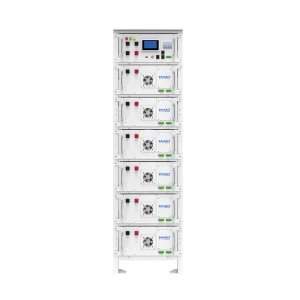
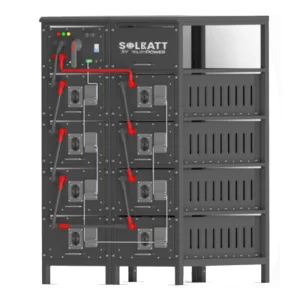
Commercial configurations focus on grid stability, peak shaving, and high discharge rates. C&I projects require high-voltage battery cabinets capable of delivering high discharge currents, protecting businesses against demand charge spikes, and maintaining operations during grid outages.
Explore our high-voltage cabinets, home powerwalls, and containerized scalable outdoor storage options designed for reliable power distribution.
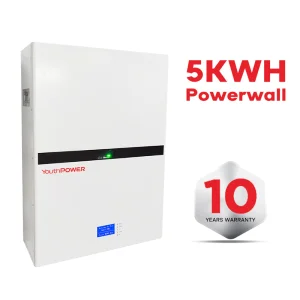
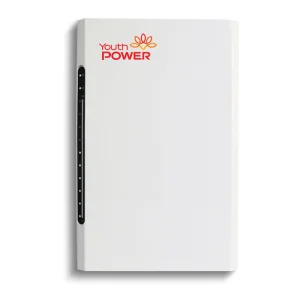
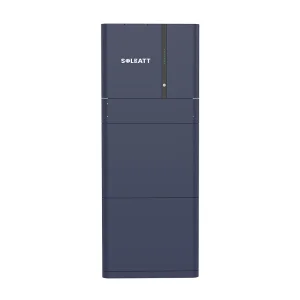
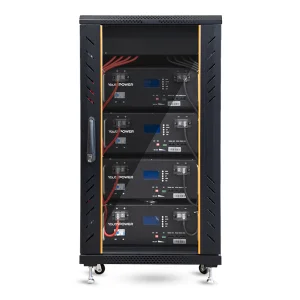
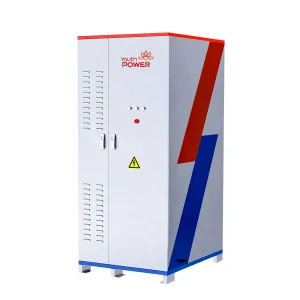
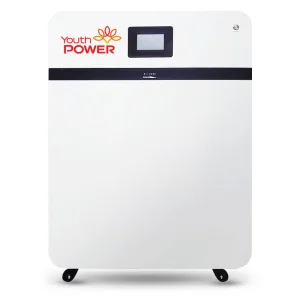
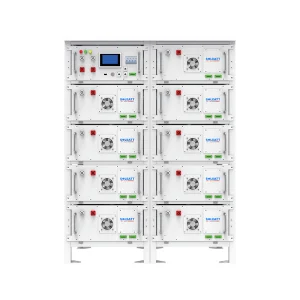
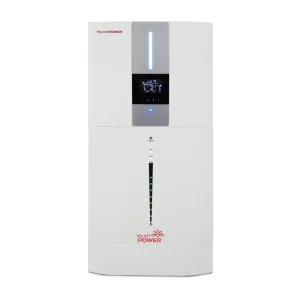
Procuring commercial solar battery storage involves managing technical variables and operational parameters. Establishing an effective long-term supply agreement with a direct manufacturer requires looking beyond unit pricing to evaluate key quality and operational metrics.
Specify Grade-A EV-grade LFP (Lithium Iron Phosphate) cells in supply agreements. Using Grade-A cells ensures consistent performance, safety, and a predictable aging profile compared to lower-grade alternatives.
Confirm the BMS is compatible with local inverter models. Verified integration with protocols like Victron, SMA, Growatt, and Solis prevents onsite integration delays.
Evaluate thermal runaway mitigation plans, structural isolation designs, and cell-level passive fire protection barriers for high-capacity applications.
Verify warranty parameters, checking if terms are based on total operating years or cumulative energy throughput metrics.
Ensure shipments comply with UN38.3 transport standards for Class 9 dangerous goods, supporting smooth customs clearance.
Ensure manufacturers provide remote firmware diagnostic systems and clear warranty procedures for replacement components.
Answers to common technical, logistics, and customization questions from energy professionals and procurement partners.
Grade-A cells meet strict manufacturer standards for capacity, internal resistance, and physical dimensions. B-grade cells may fall slightly outside these parameters, resulting in reduced cycle life, uneven cell aging, and lower thermal performance over time.
High-voltage systems operate with lower current levels, reducing transmission energy loss and allowing for thinner wiring. They offer improved energy conversion efficiency for high-capacity applications compared to traditional low-voltage configurations.
Yes. With extensive manufacturing and engineering experience, we offer custom branding, casing, voltage configurations, capacity options, and BMS program adaptations to meet specific deployment requirements.
The BMS monitors cell temperatures continuously. If temperatures rise abnormally, it shuts down current flow and communicates alerts to shut down external links, preventing localized thermal runaway from spreading.
Partner directly with an experienced battery manufacturer. Contact our engineering team for detailed technical data sheets, compliance documents, and bulk pricing structures.
Contact Sourcing Team YouthPOWER