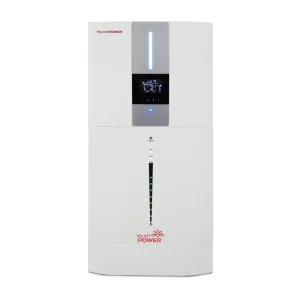
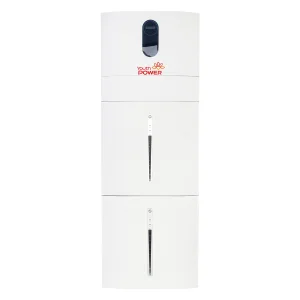
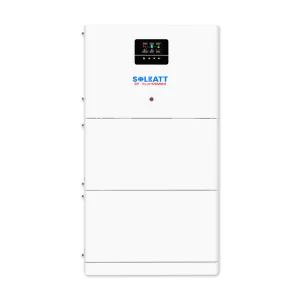
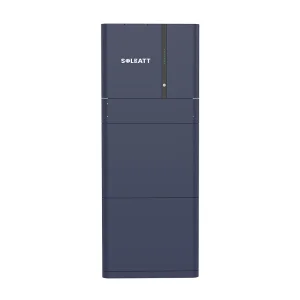
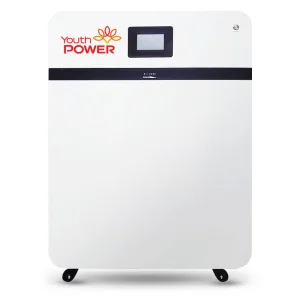
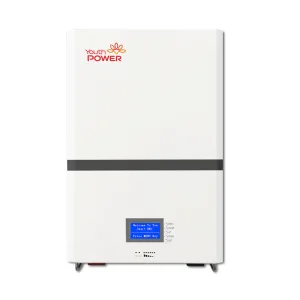
Direct from factory options configured for the Iberian residential and commercial grid standards.
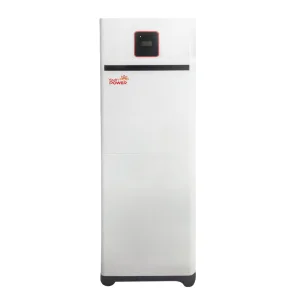
Empowering global green transitions since 2003 with high-yield lithium storage architecture.
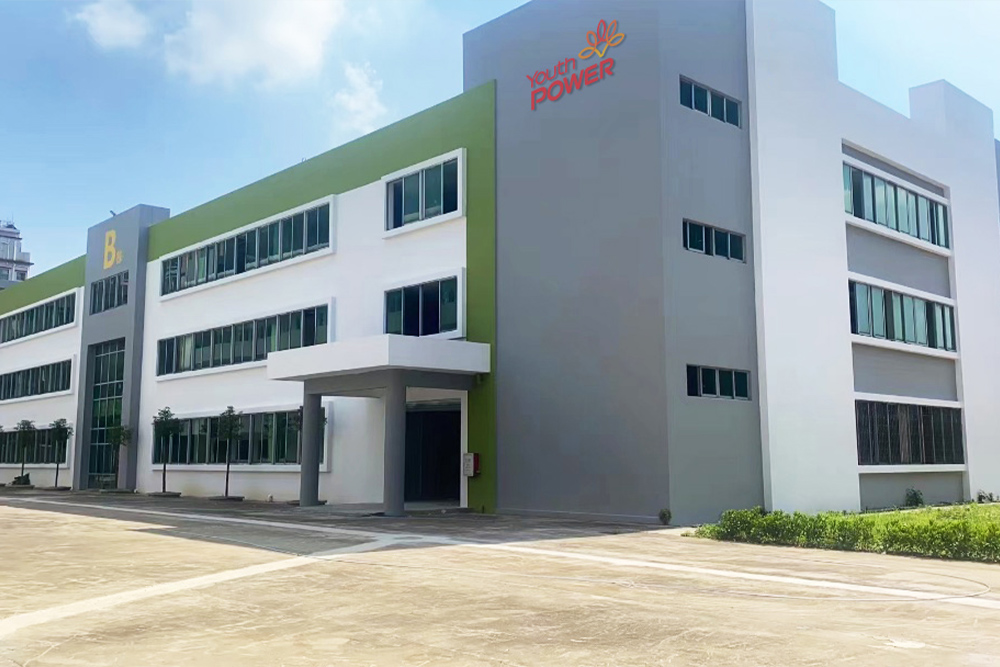
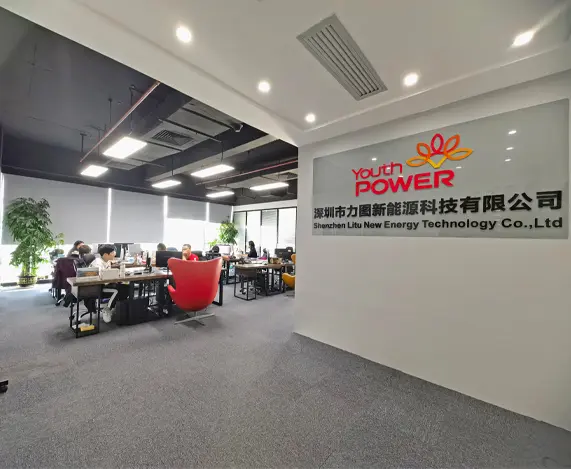
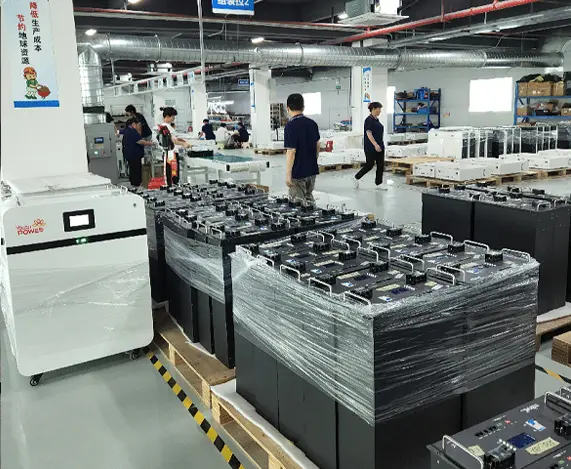
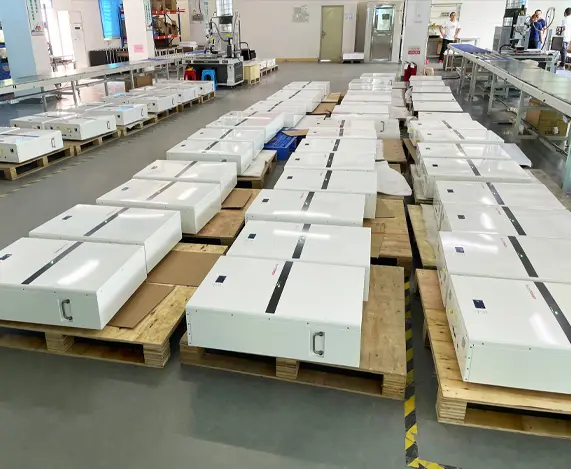
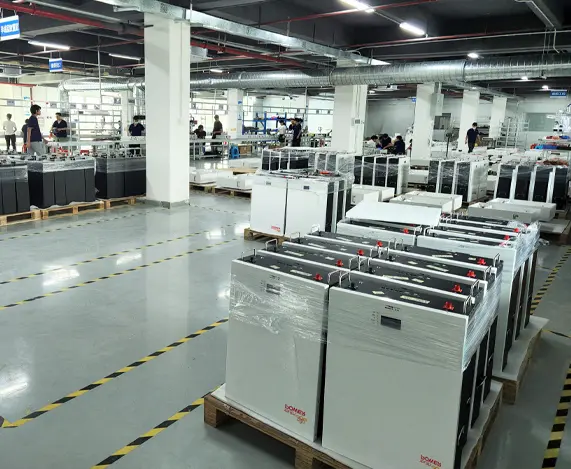
Founded in 2003, YouthPOWER has ascended to become one of the premier global developers of solar energy storage lithium battery solutions. Our vertically integrated production model encapsulates a vast portfolio of battery technologies, specializing in highly resilient 24V, 48V, and high-voltage (HV) lithium battery systems. By utilizing automotive-grade LiFePO4 cells, we consistently deliver high efficiency, profound thermal stability, and extended lifecycles.
With near-two decades of specialized experience in chemistry development, advanced electronic manufacturing, and Battery Management System (BMS) design, YouthPOWER has refined its capability to deliver custom solutions for international industrial networks. In 2019, recognizing the market demand for a dedicated high-end brand, we consolidated our R&D achievements under the flagship name "YouthPOWER".
Today, our engineering division supports partners across Europe, North America, and Latin America. We help our customers address local grid-coupling challenges, complex utility dynamic tariffs, and national security standards.
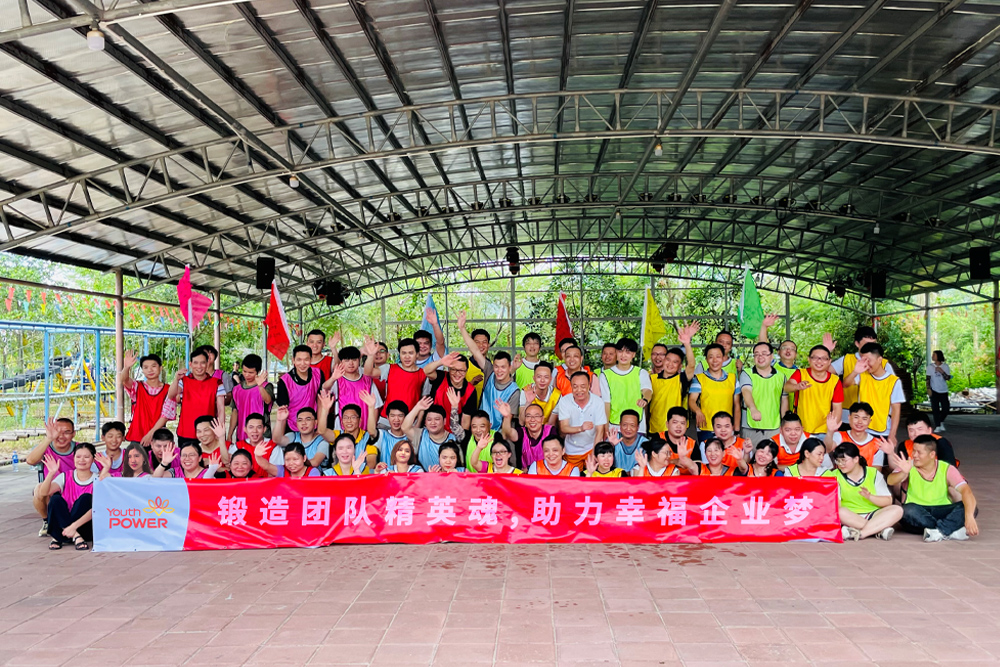
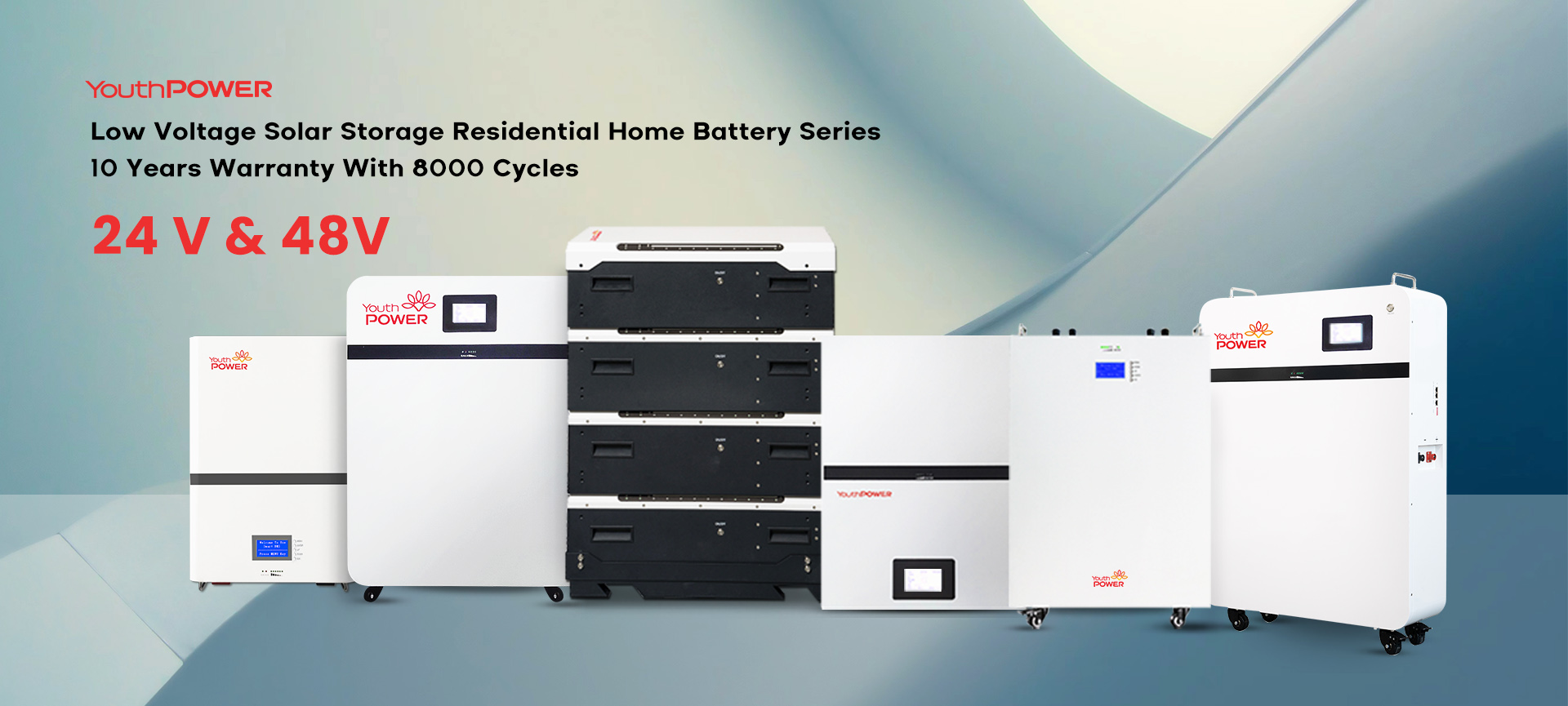
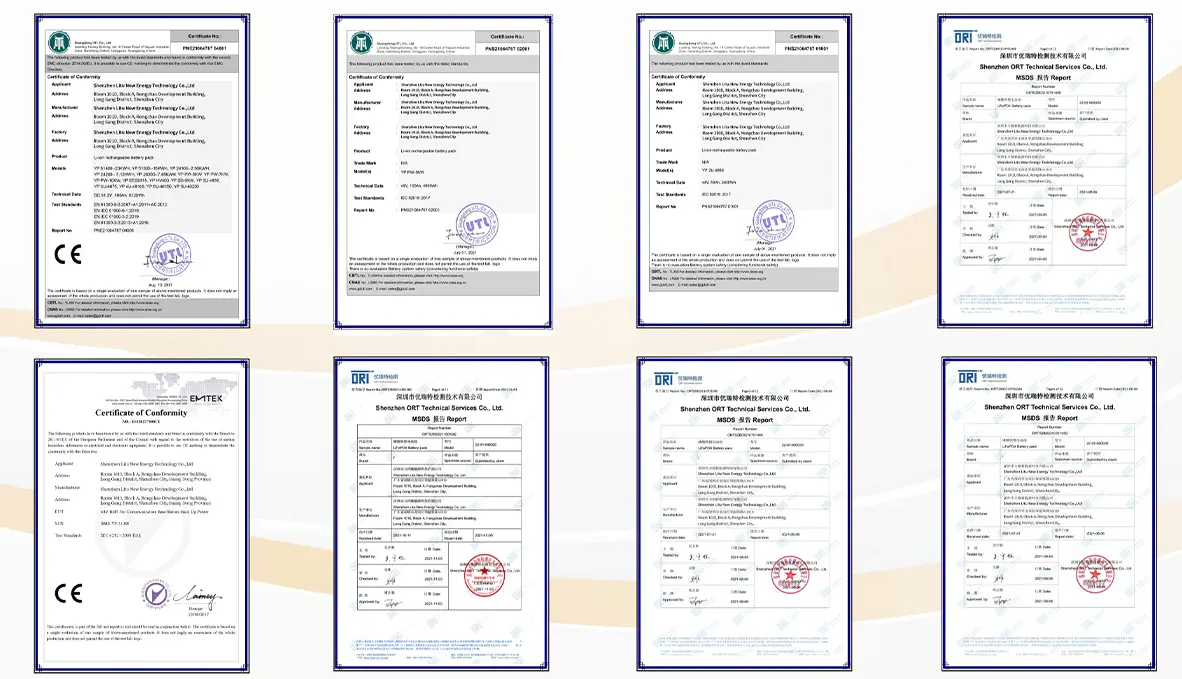
Leveraging raw material sourcing networks and long-term contracts with premium tier-1 cell manufacturers, we can manage cost structures effectively without compromising on raw engineering quality. This financial and operational resilience allows YouthPOWER to pass cost efficiencies directly on to EPCs, engineering firms, and local distributors throughout Europe.
We are proud to state that our decentralized solar storage and inverter battery systems support over 1,000,000 installations worldwide, reducing reliance on conventional thermal generation plants and lowering Levelized Cost of Energy (LCOE) targets.
Detailed analysis of Iberian grid dynamics, regulatory demands, and solar optimization protocols.
Portugal stands at the forefront of Europe’s renewable energy transition. Benefiting from some of the highest solar irradiance levels on the continent—ranging from 2,500 to over 3,000 hours of sunshine annually—the country has rapidly scaled its utility PV installations and decentralized microgrids. However, this high concentration of solar energy has introduced challenges to the local distribution infrastructure managed by grid operators like E-Redes.
The revised Portuguese National Energy and Climate Plan (Plano Nacional Energia e Clima - PNEC 2030) targets over 85% of its electricity generation from renewables. Achieving this requires local grid stabilization. As utility and commercial entities face curtailment or limited grid injection capacities, localized inverter battery solutions are shifting from optional assets to regulatory and financial requirements.
| Parameters | Portuguese Low Voltage Grid (BT) | Commercial/Industrial Medium Voltage (MT) | Isolated / Agricultural Off-Grid Applications |
|---|---|---|---|
| Target Topologies | Low-Voltage Stackable / Wall batteries (48V / 51.2V) | High-Voltage BESS Cabinet Systems (300V - 600V+) | All-in-One Off-Grid Systems (AIO Hybrid) |
| BMS Communication Protocol | CAN Bus / RS485 (Victron, SMA, Deye compatible) | Modbus TCP / RTU (Fiber Ethernet Interface options) | Modbus / Direct dry-contact relays for diesel starter |
| Local Certifications Req. | CE, EN50549-1, IEC62619, DGEG registration | EN50549-2, IEC62619, UN38.3, IP54 enclosure | CE, IEC62109, IEC62619 |
| Typical ROI Period | 4.5 - 6 Years (dependent on self-consumption rate) | 3.5 - 5 Years (leveraging peak-shaving arbitrage) | Immediate compared to fuel logistics costs |
To connect commercial batteries to the Portuguese public distribution network, compliance with DGEG (Direção-Geral de Energia e Geologia) registration guidelines and EN50549-1/2 European grid connection standards is mandatory. Inverter battery systems must support export limiting, reactive power control (cos phi adjustments), and rapid frequency stabilization. This ensures high system reliability for both commercial and residential projects.
How direct partnerships with advanced manufacturing centers improve ROI and system security for European distributors.
We source high-grade lithium iron phosphate (LiFePO4) chemistry directly from top-tier supply chains. This guarantees 6,000+ continuous cycles at 80% Depth of Discharge (DoD) under optimal operating temperatures.
Our internally engineered Battery Management System features integrated protocols compatible with European inverters, including Deye, Victron Energy, Studer, Growatt, Solis, GoodWe, and SMA.
We work with shipping partners to support direct maritime cargo routing into major industrial ports such as Port of Sines, Port of Lisbon, and Port of Leixões. This includes complete compliance documentation for EU customs clearance.
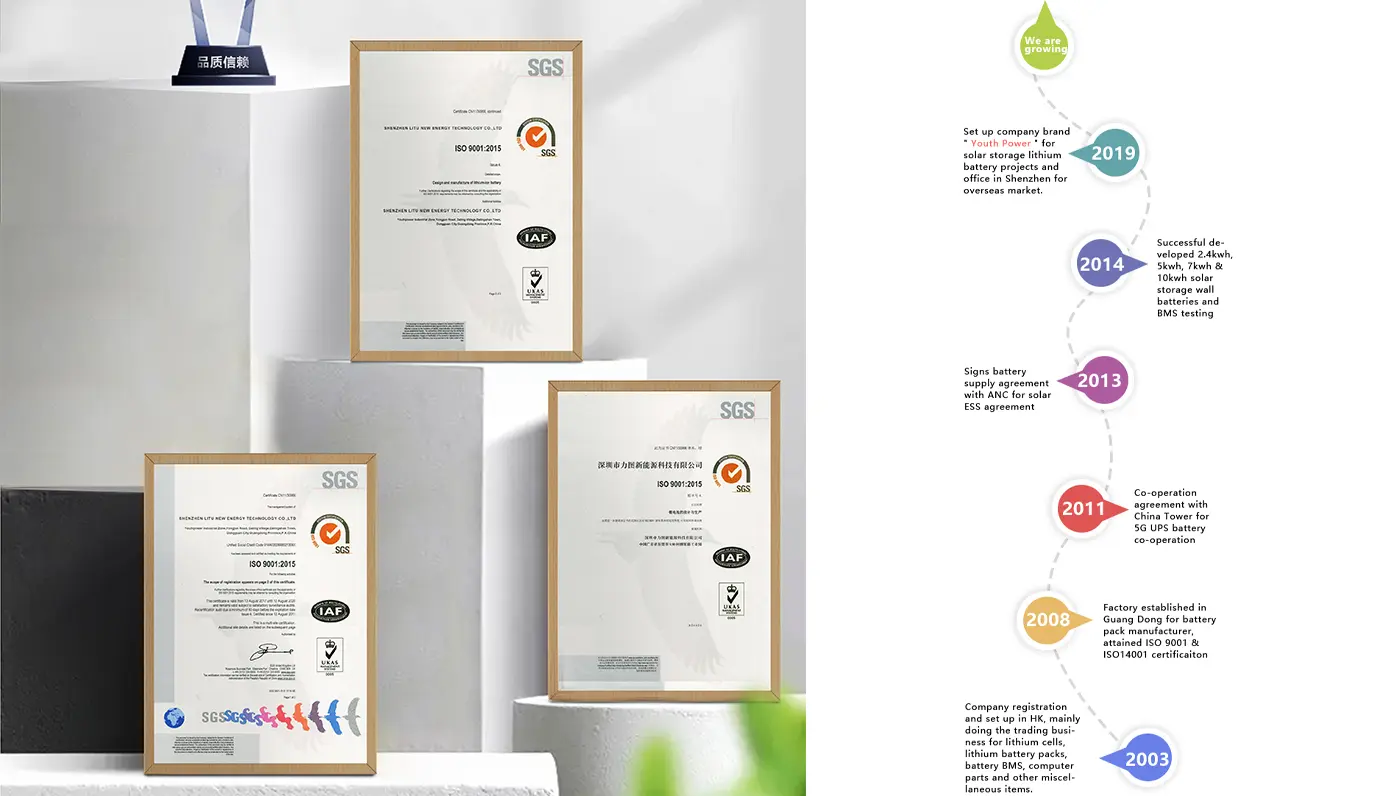
A history of continuous development in battery technology and global distribution systems.
Initial establishment and focus on development and high-precision electronic components manufacturing.
Expanded production capacity into high-durability LiFePO4 cells and integrated BMS systems.
Launched the premium YouthPOWER brand and expanded distribution networks throughout the European market.
Introduced C&I liquid-cooled ESS configurations, high-voltage stackable options, and smart EMS features.
Proven reliability in residential solar optimization and medium-scale industrial installations.
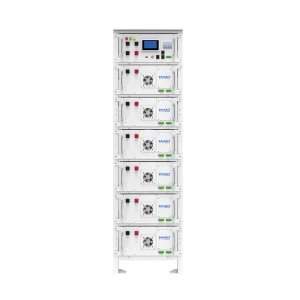
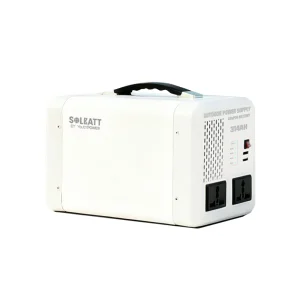
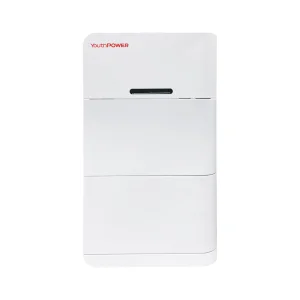
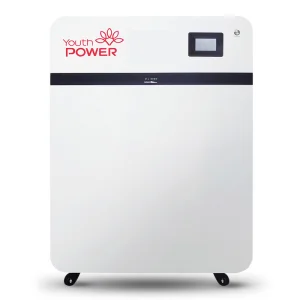
In municipal residential zones, high solar generation during work hours combined with flat-rate export caps limits the financial return of standard PV systems. Using the YouthPOWER Power Tower or AIO 5KW ESS, home owners can store daytime solar energy for evening usage. This configuration improves self-consumption rates from 30% to over 85%, protecting against future rate changes from utility providers.
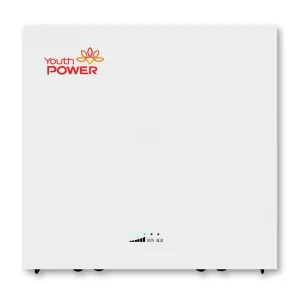
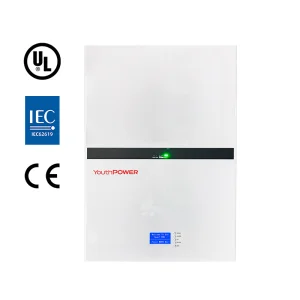
Agricultural operations in rural Portugal, such as vineyards and olive farms, frequently face high grid connection fees. Integrating low-voltage wall-mounted systems or split hybrid configurations provides reliable off-grid power for water pumps, sorting lines, and site lighting, reducing dependency on diesel generation.
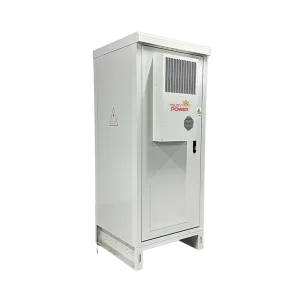
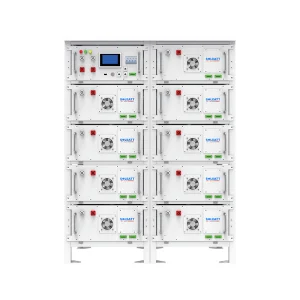
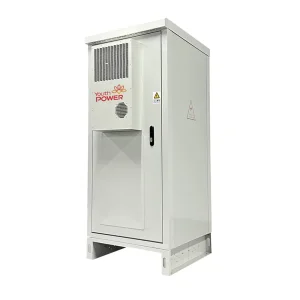
For small-to-medium enterprises (SMEs) in manufacturing sectors near Braga and Aveiro, utility demand charges represent a significant portion of operating costs. High-voltage lithium cabinets (like the 129KWH/133KWH cabinet systems) monitor consumption and discharge during peak periods, lowering demand charges and protecting sensitive equipment from grid voltage fluctuations.
Key technical specifications, regulatory considerations, and logistics details for importing energy storage systems into Portugal.
When selecting inverter battery configurations, procurement officers should focus on Levelized Cost of Storage (LCOS) rather than initial capital cost. LCOS is calculated using cell degradation rates, operational efficiency, and round-trip efficiency (RTE). Our high-grade LiFePO4 chemistry maintains over 95% round-trip efficiency, minimizing operational energy losses over long-term use.
Inverter and battery compatibility is a common challenge during solar installations. Communication conflicts can lead to battery shutdowns or inefficient charging. Our technical team works directly with installer engineers to pre-program protocols, ensuring compatibility with brands like Victron, SMA, and Deye.
Classified under Dangerous Goods (Class 9), lithium battery transportation requires strict compliance with UN38.3 packaging standards. We manage maritime shipping logistics to ports such as Sines, Lisbon, and Leixões, providing necessary paperwork (MSDS, CE, IEC62619) to ensure smooth customs clearance and compliance with European safety regulations.
High-capacity battery systems engineered for commercial, industrial, and residential applications across Portugal.
Technical answers to common integration, regulatory, and mechanical questions for European engineering partners.
 YouthPOWER