Explore our industrial and residential grade lithium-ion battery modules engineered for high cycles
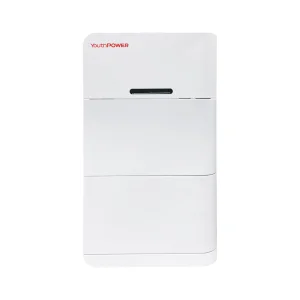
Buy YP BOX HV10KW-25KW Factory, Factories
View Details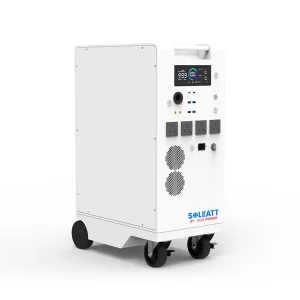
Buy Plug n Play 5KWh UPS LiFePO4 Portable Power Generator Factories, Companies
View Details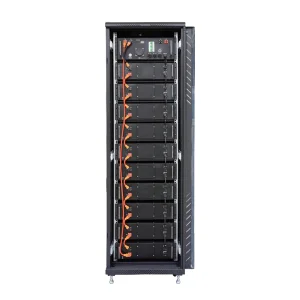
Buy 512V 100AH 51.2KWh Commercial Battery Storage Company, Price
View Details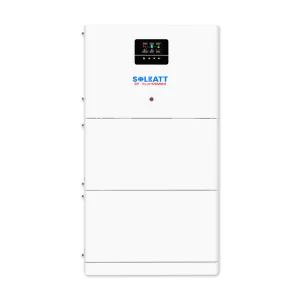
Buy YouthPOWER Off-grid Inverter Battery AIO ESS Factories, Price
View Details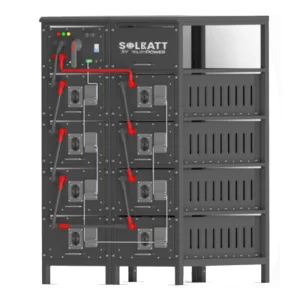
Best High Voltage 409V 280AH 114KWh Battery Storage ESS Factories, Price
View Details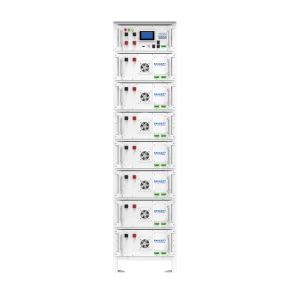
Buy 358.4V 280AH LiFePO4 100KWH Commercial Solar Battery System Company, Price
View Details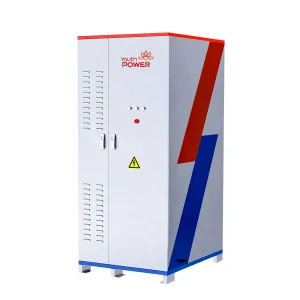
Best Scalable Outdoor Energy Storage System 215KWH Company, Companies
View Details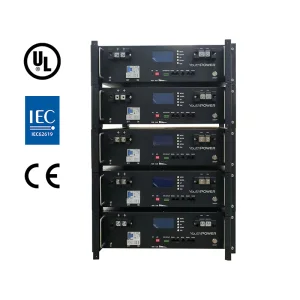
Buy YouthPOWER 19 Inch Solar Rack Storage Battery Box Company, Companies
View DetailsKey metrics guiding the selection and design of global lithium battery solutions
A Comprehensive Market Deep-Dive on LFP Technology, Factory Logistics, and Pricing Architectures
The global energy storage landscape is experiencing an unprecedented transition. Driven by structural shifts towards decentralized power generation and volatile municipal utility pricing, the standard 5kWh solar battery pack (51.2V 100Ah) has emerged as the universal building block for residential and light commercial microgrids.
Historically, lead-acid systems dominated grid storage due to lower initial barriers to entry. However, the adoption of Lithium Iron Phosphate (LiFePO4 or LFP) chemistry has redefined utility economics. Offering up to ten times the cycling longevity, stable thermal profiles, and virtually zero maintenance overheads, LFP technology is the preferred choice for commercial buyers, installers, and project developers globally.
Procuring 5kWh solar batteries requires a clear understanding of the components that make up the factory gate price. Prices typically range from $800 to $2,500 USD, depending on cell grade, enclosure design, integrated electronics, and purchase volume.
| Component Group | Percentage of Cost | Key Quality Factors |
|---|---|---|
| LFP Cell Quality | 50% - 60% | Grade A vs. Grade B cells, capacity grading consistency, brand certifications. |
| Battery Management System (BMS) | 15% - 20% | Communication protocols (CAN, RS485), smart active balancing, thermal sensors. |
| Casing & Enclosure | 10% - 15% | IP65 waterproof protection, wall-mount/rack-mount design, internal fire safety. |
| Labor, Assembly, & Quality Control | 10% - 15% | Automated welding, insulation verification, continuous charge-discharge cycling tests. |
Grade A vs. Grade B Cells: This remains the most significant pricing factor. Grade A cells are manufactured under strict tolerances, ensuring long-term cycle consistency. Grade B cells, which often have minor cosmetic issues or slight capacity variances, are cheaper but can lead to cell balancing problems and shorter lifespans. As a high-authority supplier, YouthPOWER exclusively uses Grade A cells to guarantee consistent system-level performance.
China produces more than 75% of the world's lithium-ion batteries. This industrial concentration is not just about labor costs; it's about a complete supply chain ecosystem.
Depending on the target region, the requirements for a 5kWh battery system vary significantly:
European Market (Germany, Italy, UK): The focus is on clean aesthetics, wall-mounted installations, and full compatibility with local grid codes. Balcony energy storage systems (such as the Balcony Solar ESS) are rapidly growing in popularity due to simplified permitting processes and direct tenant use.
North American Market: Demands robust off-grid backup systems with rapid transfer times (UPS functionality) to mitigate grid instability during extreme weather. Systems must meet UL1973 and UL9540A safety standards.
Developing Markets (Africa, Southeast Asia): High-voltage, cost-efficient, and easy-to-maintain wall-mounted or rack-mounted systems are preferred to offset daily grid shedding or power quality fluctuations.
Over two decades of dedication to battery technology, engineering, and manufacturing excellence
Founded in 2003, YouthPOWER has now become one of the leading suppliers of solar storage lithium batteries in the world. With a broad range of energy storage solutions, it covers a series of 24V, 48V and higher voltage lithium batteries solutions.
YouthPOWER has engaged in the battery technology and production for almost 20 years, with abundant manufacturing experience and strong new product R & D capability. Through many years of hard work and market promotion, we have created our own brand "YouthPOWER" in 2019.
With nearly 20 years’ experience in the battery industry, we have the capability to provide you with both the products you need and the most suitable products you want. We are always ready to supply the first-class products and meet the various needs of the customers.
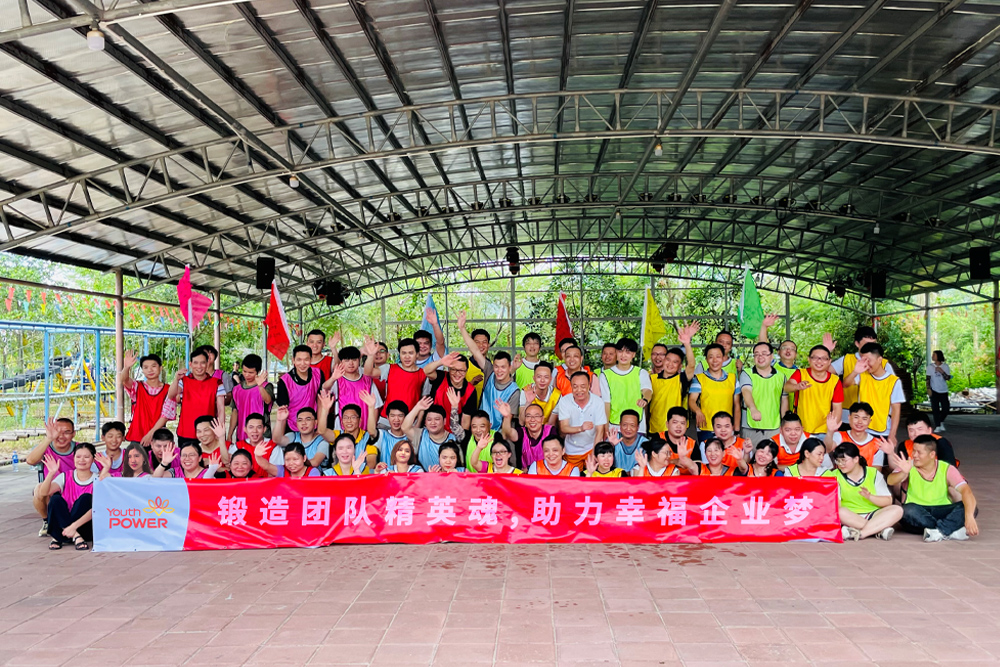
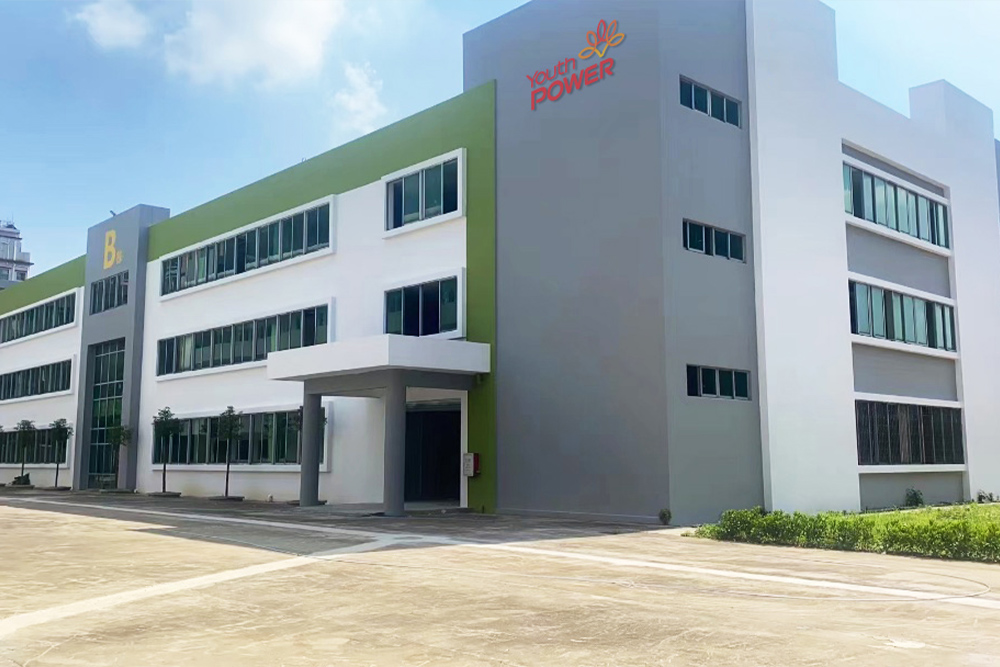
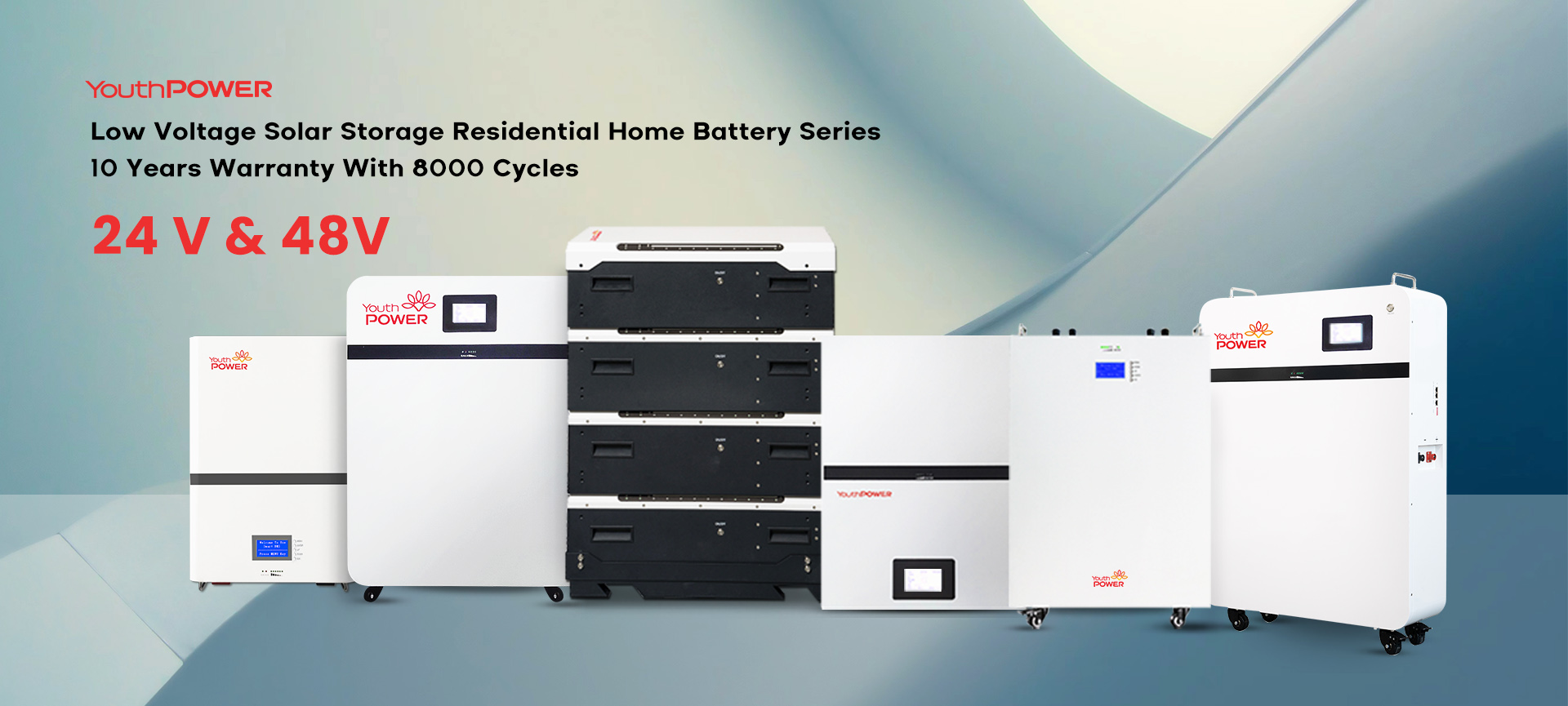
We have established good business relationships with our customers from all over the world. And we have a good cooperation with all our customers as well for many years running. Supported by our local vendors of raw materials, we can certainly offer you the best prices.
We are so proud that YouthPOWER has offered the reliable solar storage solution for over 1,000,000 families now in the world.
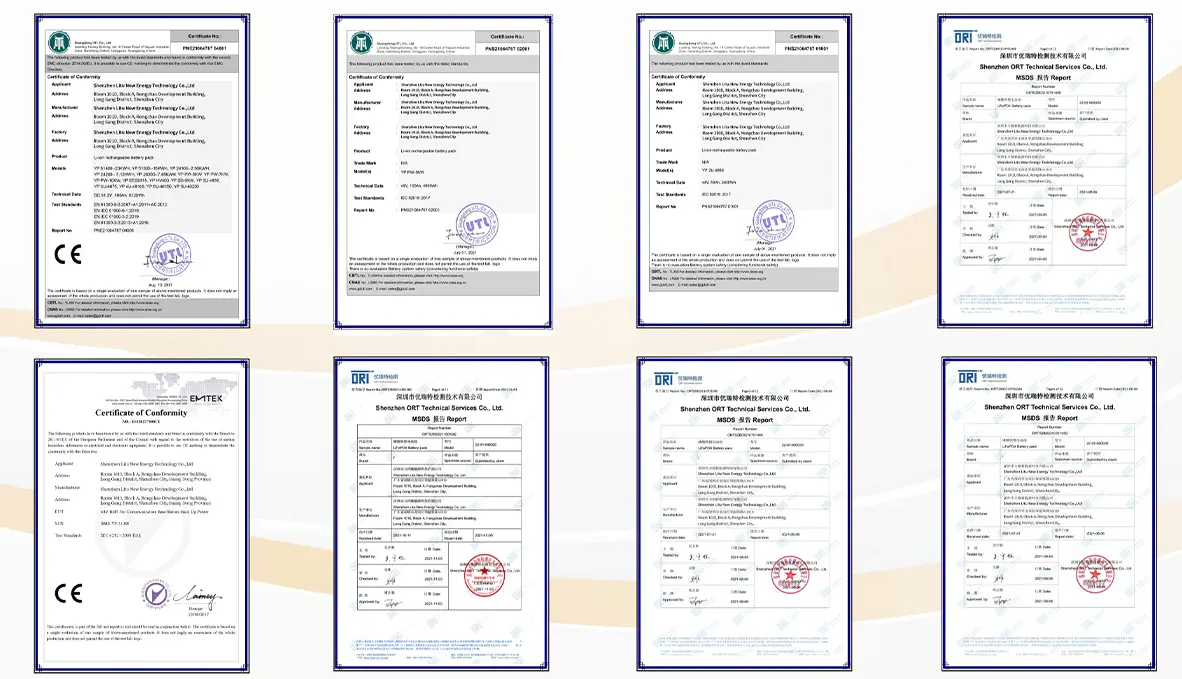
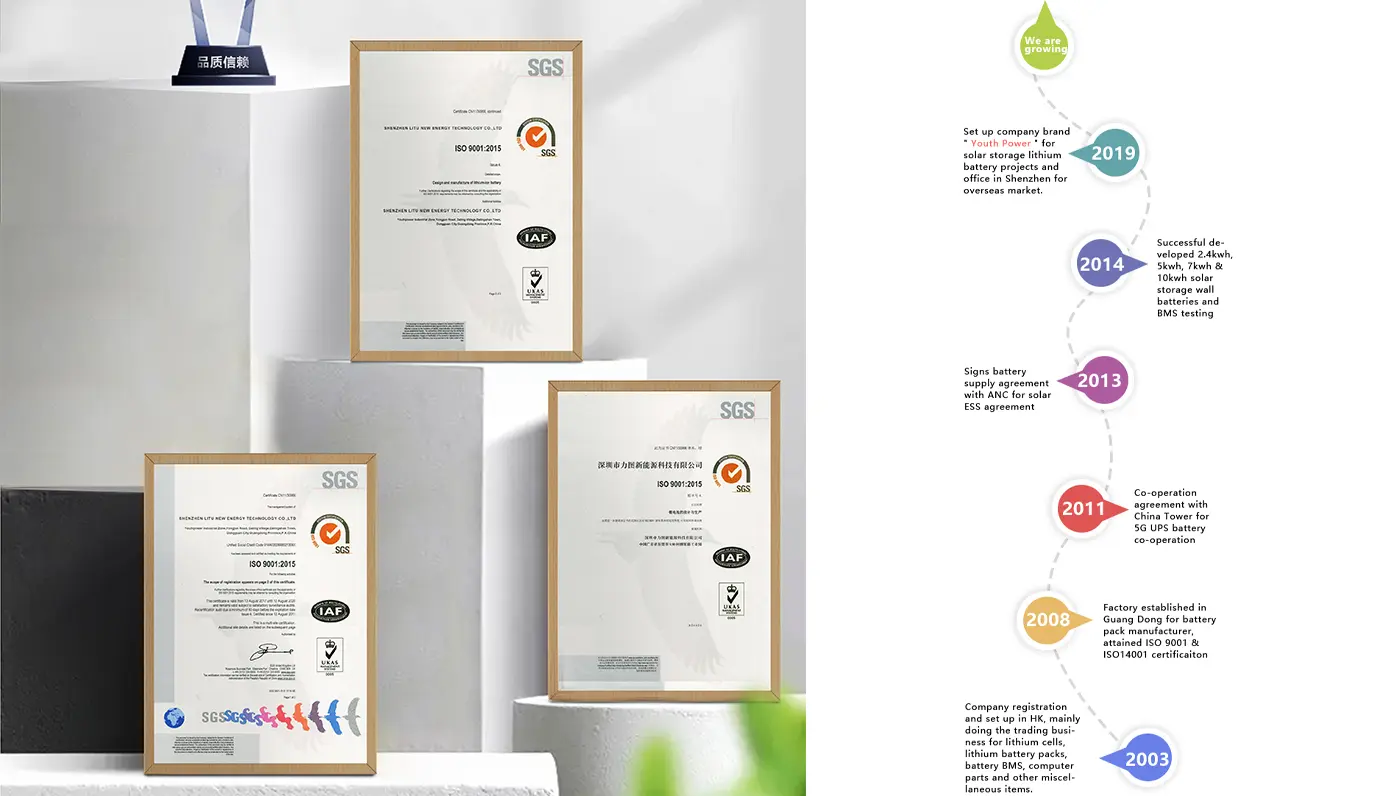
To ensure smooth customs clearance and absolute safety compliance, all our production batches undergo standard safety protocols before dispatch.
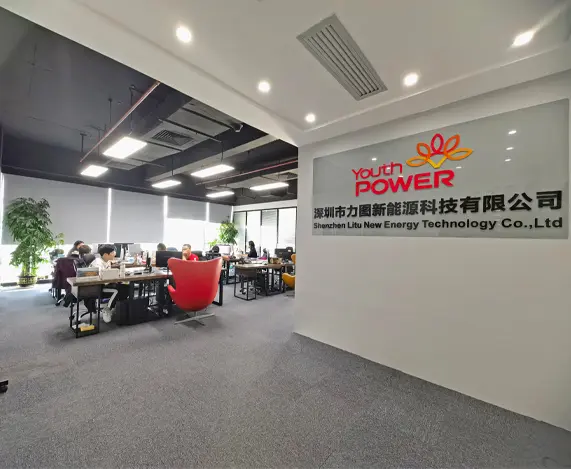
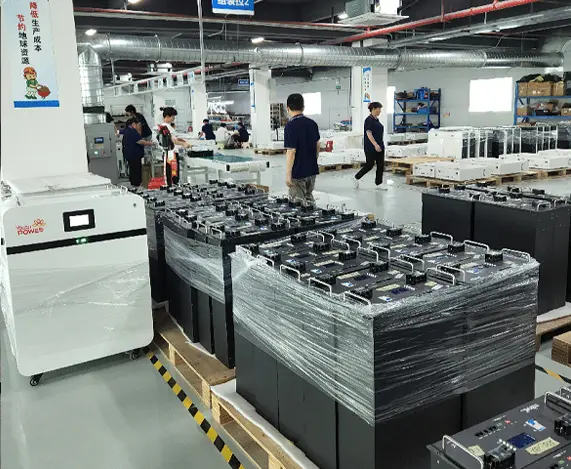
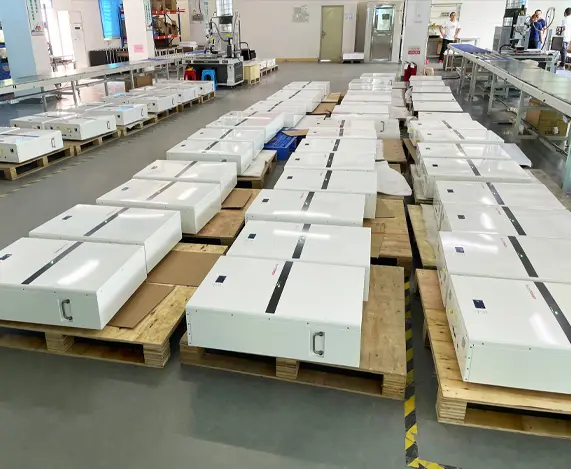
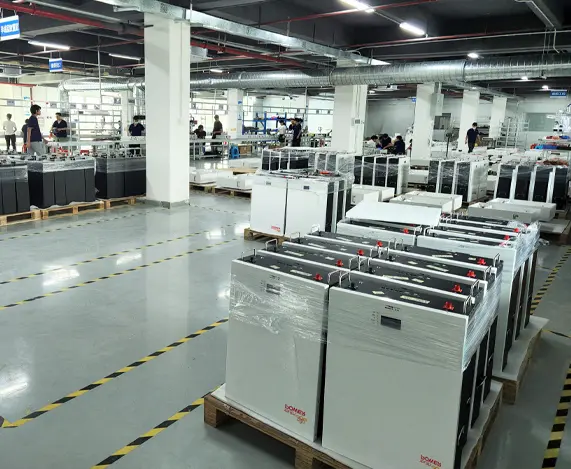
Our roadmap is marked by consistent technological milestones, evolving from custom battery packs to complete intelligent energy storage systems (ESS).
A checklist to minimize system failures and optimize lifetime ROI for large-scale deployments
When procuring solar storage solutions in volume, global B2B buyers (distributors, installers, system integrators) should evaluate the following criteria:
Discover our high-voltage and modular rack-mount batteries designed for scalable energy projects
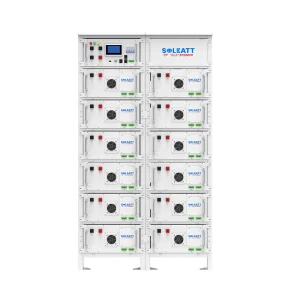
Buy 172KWH 614V 280Ah Commercial Energy Storage System Factories, Company
View Details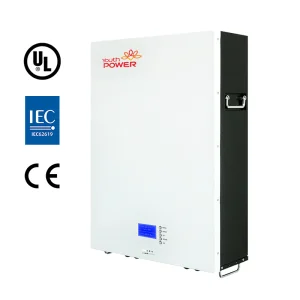
Buy YouthPOWER Powerwall Battery 5 & 10KWH Company, Price
View Details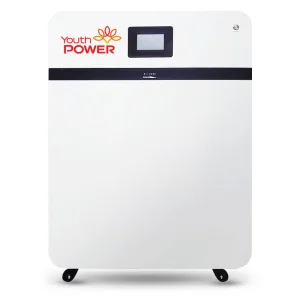
Best 20kwh battery system Li-ion Battery Solar System 51.2V 400ah Factory, Price
View Details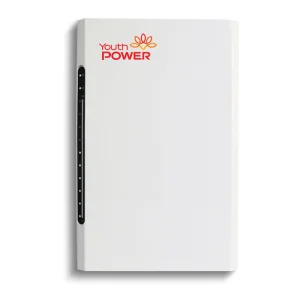
Buy Brick solar storage power ESS 51.2V 5KWH 100AH lithium battery Company, Companies
View Details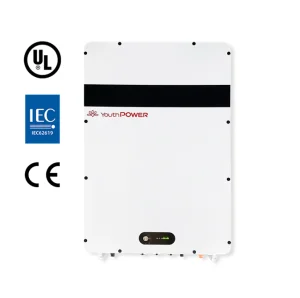
Buy YouthPOWER Waterproof Solar Box 10KWH Factory, Factories
View Details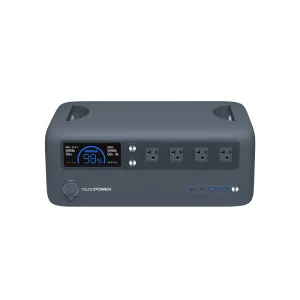
Buy Balcony Solar ESS Factory, Price
View Details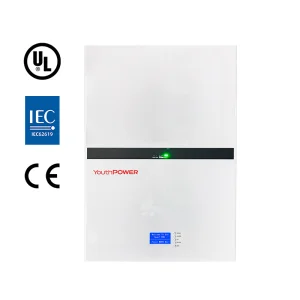
Buy YouthPOWER Solar Storage Box 5KWH 10KWH Companies, Price
View Details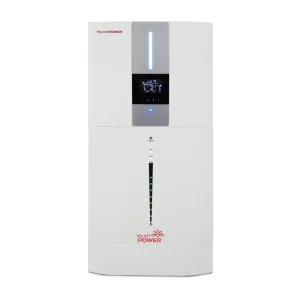
Buy All In One ESS 5KW Inverter Battery System Factory, Factories
View DetailsAnswering key technical and logistical questions for global buyers
Under daily charging and discharging at 80% Depth of Discharge (DOD) at 25°C, a high-quality Grade-A LFP cell typically maintains over 80% of its nominal capacity after 6,000 cycles. For most residential and light commercial systems, this translates to 15+ years of reliable service.
Generally, LFP battery modules (51.2V 100Ah) should only be connected in parallel to increase system capacity (e.g., combining two modules to create a 10kWh system). Connecting them in series is not recommended unless they are specifically designed as high-voltage stackable battery units. Make sure the batteries being connected are from the same production batch and have identical SOC and voltage levels.
Safety starts with the BMS, which actively monitors cell temperature, voltage, and current to prevent overcharging, overdischarging, and short circuits. At the system level, critical safety features include built-in aerosol fire suppression, dual-insulation enclosures, pressure relief valves on the cells, and certifications to standards like IEC62619, UL1973, and UN38.3.
The optimal operating temperature range for LiFePO4 battery storage is between 15°C and 35°C. Charging below 0°C can cause lithium plating on the anode, which reduces cell lifespan. Discharging at high temperatures (above 45°C) accelerates cell degradation. High-quality systems use built-in thermal management or integrated heaters to protect the battery in cold climates.
Lithium-ion batteries are classified as Class 9 Dangerous Goods. This means they must be shipped in UN-approved packaging and transported on cargo vessels with appropriate documentation (MSDS, UN38.3 test summaries). Shipping costs depend on container load (FCL vs LCL) and port destination. Working directly with integrated factory logistics networks, like YouthPOWER's, helps optimize freight costs and ensures compliance with customs import regulations.
 YouthPOWER