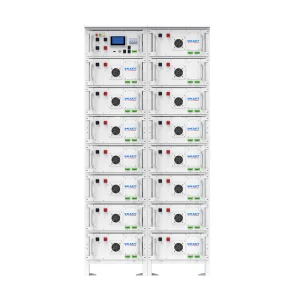
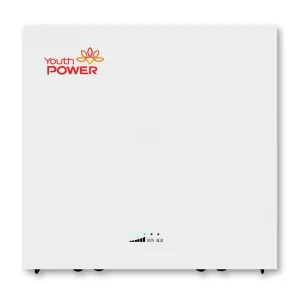
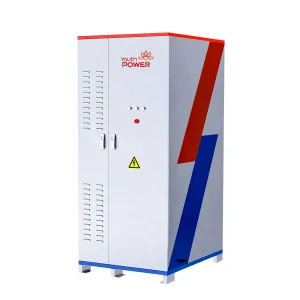
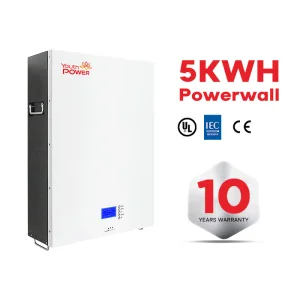
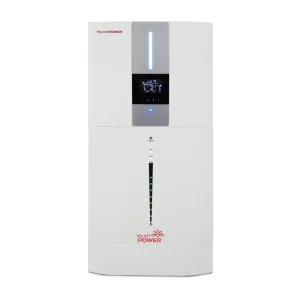
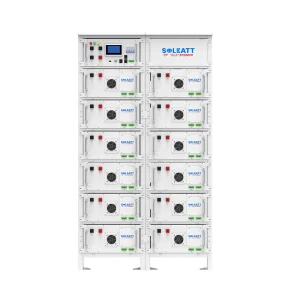
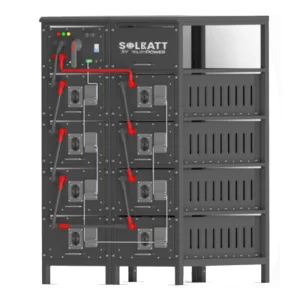
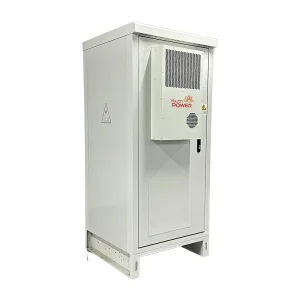
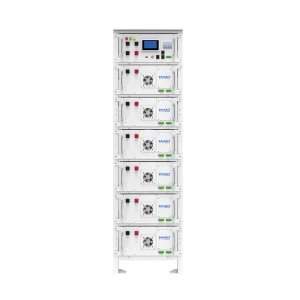
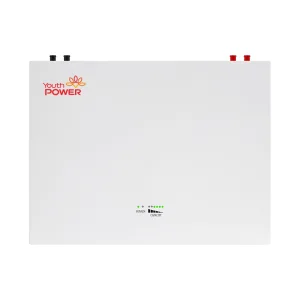
Explore our top-tier manufacturing solutions optimized for immediate integration, high-voltage resilience, and smart scalability.
Understanding the global demand drivers for industrial-grade Solar Battery Backup Systems in a highly volatile grid environment.
Global power grids face unprecedented stability challenges due to aging infrastructure and localized power demands. Industrial sectors rely on backup battery factories to deploy on-site storage systems (ESS) that isolate critical operational networks from utility fluctuations and sudden rolling brownouts.
By monitoring power consumption, smart Commercial & Industrial (C&I) backup systems store inexpensive off-peak electricity and discharge it during high-tariff periods. This peak-shaving functionality directly reduces utility demand charges, leading to localized ROI on high-capacity ESS investments.
Commercial structures are evolving into self-sustaining microgrids. Integrating distributed solar arrays, high-voltage battery storage cabinets, and clean generator reserves provides deep energy sovereignty. Modern high-voltage systems (up to 768V+) permit seamless multi-megawatt scaling.
Founded in 2003, YouthPOWER has now become one of the leading suppliers of solar storage lithium batteries in the world. With a broad range of energy storage solutions, it covers a series of 24V, 48V and higher voltage lithium batteries solutions.
YouthPOWER has engaged in the battery technology and production for almost 20 years, with abundant manufacturing experience and strong new product R&D capability. Through many years of hard work and market promotion, we have created our own brand "YouthPOWER" in 2019.
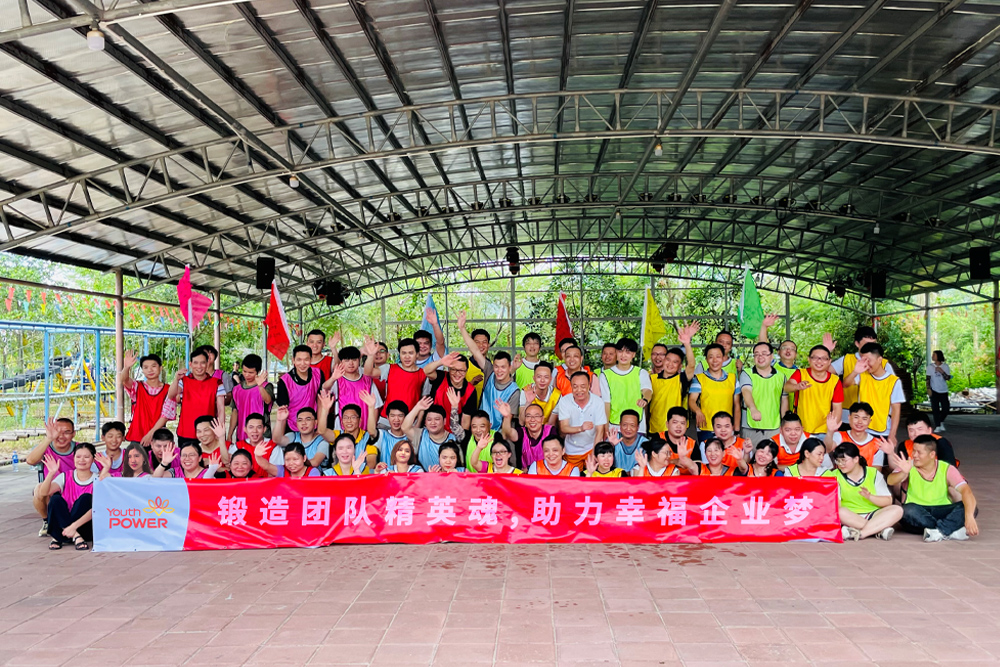
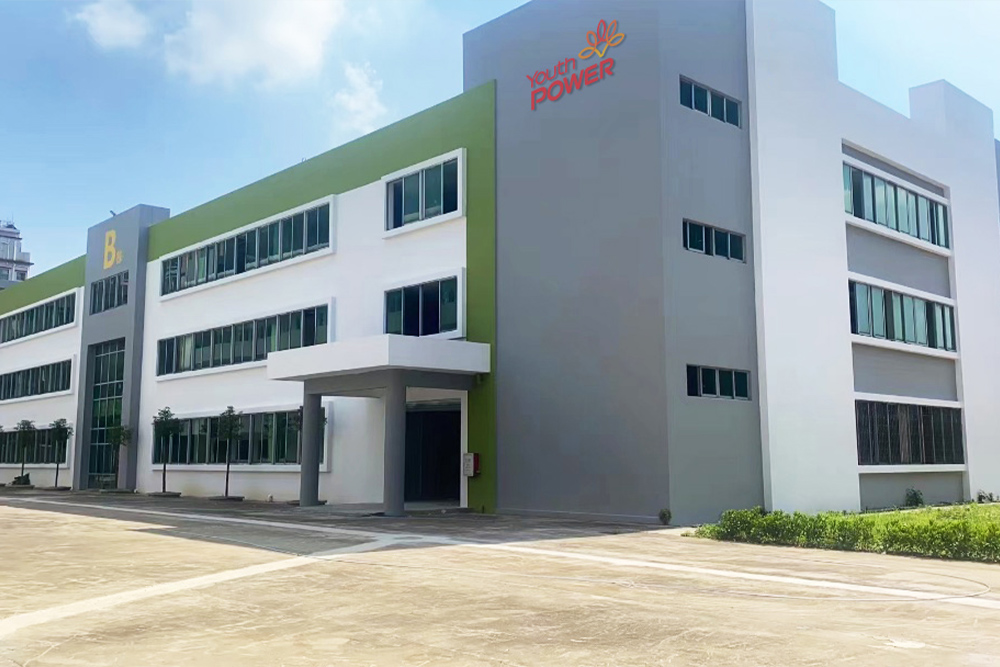
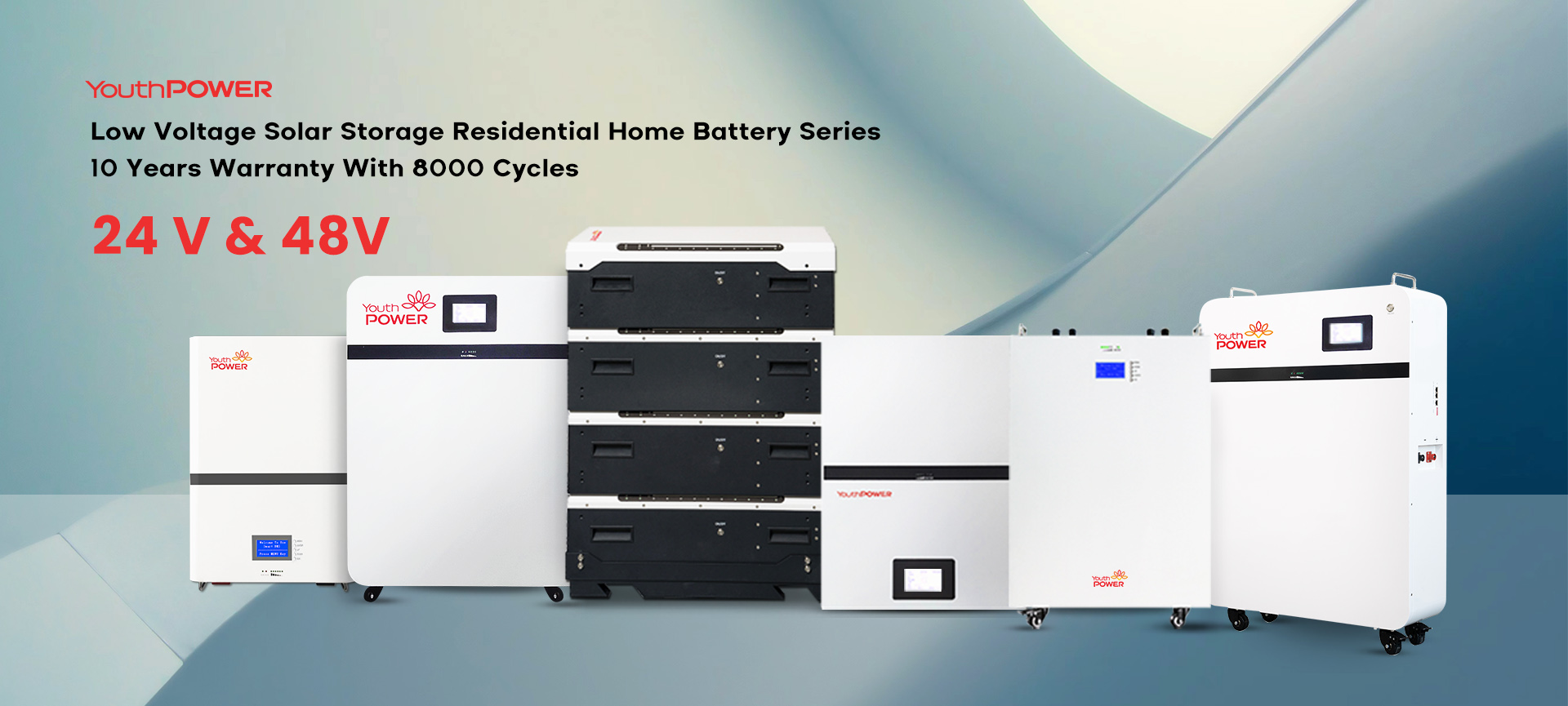
With nearly 20 years’ experience in the battery industry, we have the capability to provide you with both the products you need and the most suitable products you want. We are always ready to supply the first-class products and meet the various needs of the customers.
We have established good business relationships with our customers from all over the world. And we have a good cooperation with all our customers as well for many years running. Supported by our local vendors of raw materials, we can certainly offer you the best prices.
We are so proud that YouthPOWER has offered the reliable solar storage solution for over 1,000,000 families now in the world.
An engineered analysis of efficiency metrics, thermal profiles, and battery management topologies.
Modern commercial installations prioritize LiFePO4 due to its chemical stability, long lifespan, and safety. Unlike NMC options, LiFePO4 chemistry has a high thermal runaway threshold (approx. 270°C). This allows cells to safely withstand overcharge, short-circuits, and physical impact without releasing oxygen.
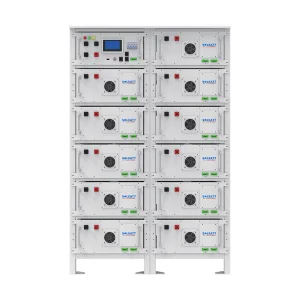
For systems exceeding 100kWh, high-voltage configurations (typically 400V to 800V) are standard. Increasing voltage reduces system current requirements, minimizing resistive heating losses. As a result, C&I operations achieve higher round-trip efficiency (RTE) and can run thinner, cost-effective cabling.
Our integrated Battery Management Systems (BMS) track cell-level voltage, temperature, and State of Charge (SoC). With passive and active balancing protocols, our BMS prevents cell drift. This ensures even wear, prolongs system lifespan, and coordinates with hybrid inverters for seamless grid-tied or off-grid operations.
Meeting regional safety, grid connection, and transport regulations is essential for utility-scale energy storage deployment.
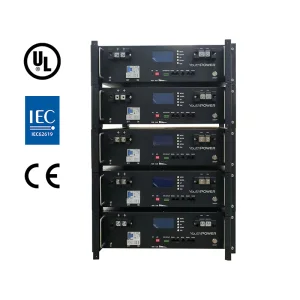
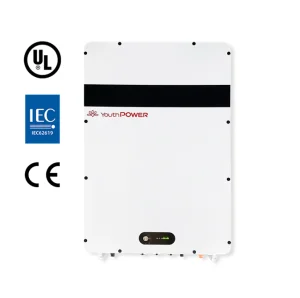
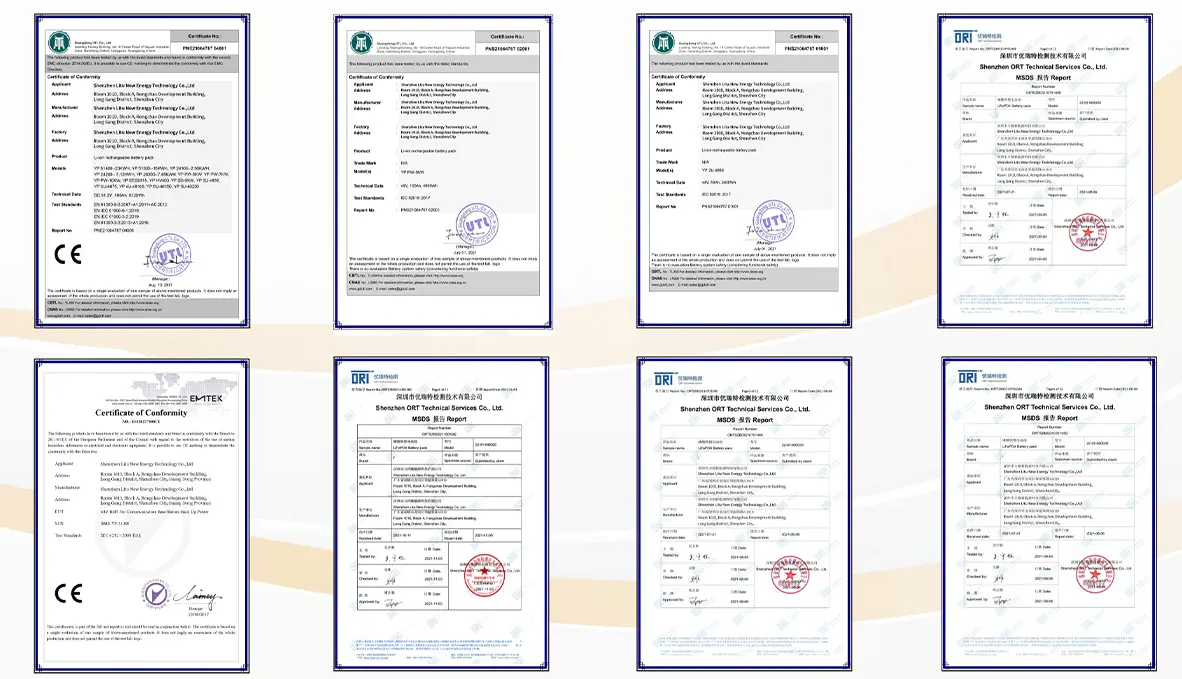
Our battery manufacturing processes conform to UL standards, validating safety performance at the cell, module, and system level. This testing prevents thermal runaway propagation in dense storage spaces.
Designed for global deployment, our modular cabinets carry CE compliance and IEC 62619 certification, satisfying European safety requirements for stationary industrial applications.
Every modular battery pack undergoes strict environmental vibration, impact, thermal, and external short-circuit testing, ensuring safe ocean, air, and land freight forwarding worldwide.
Over two decades of engineering milestones, manufacturing expansion, and green technology deployment.
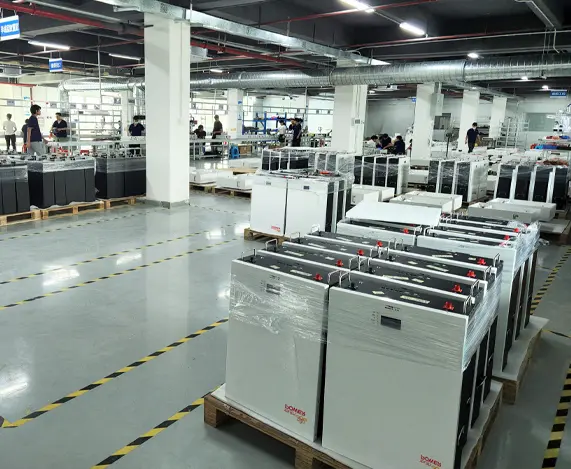
Our historical timeline is defined by a commitment to clean energy technology. Since 2003, we have scaled our production capabilities from small-scale battery assemblies to automated gigawatt-scale manufacturing facilities, satisfying both international consumer safety standards and heavy C&I project requirements.
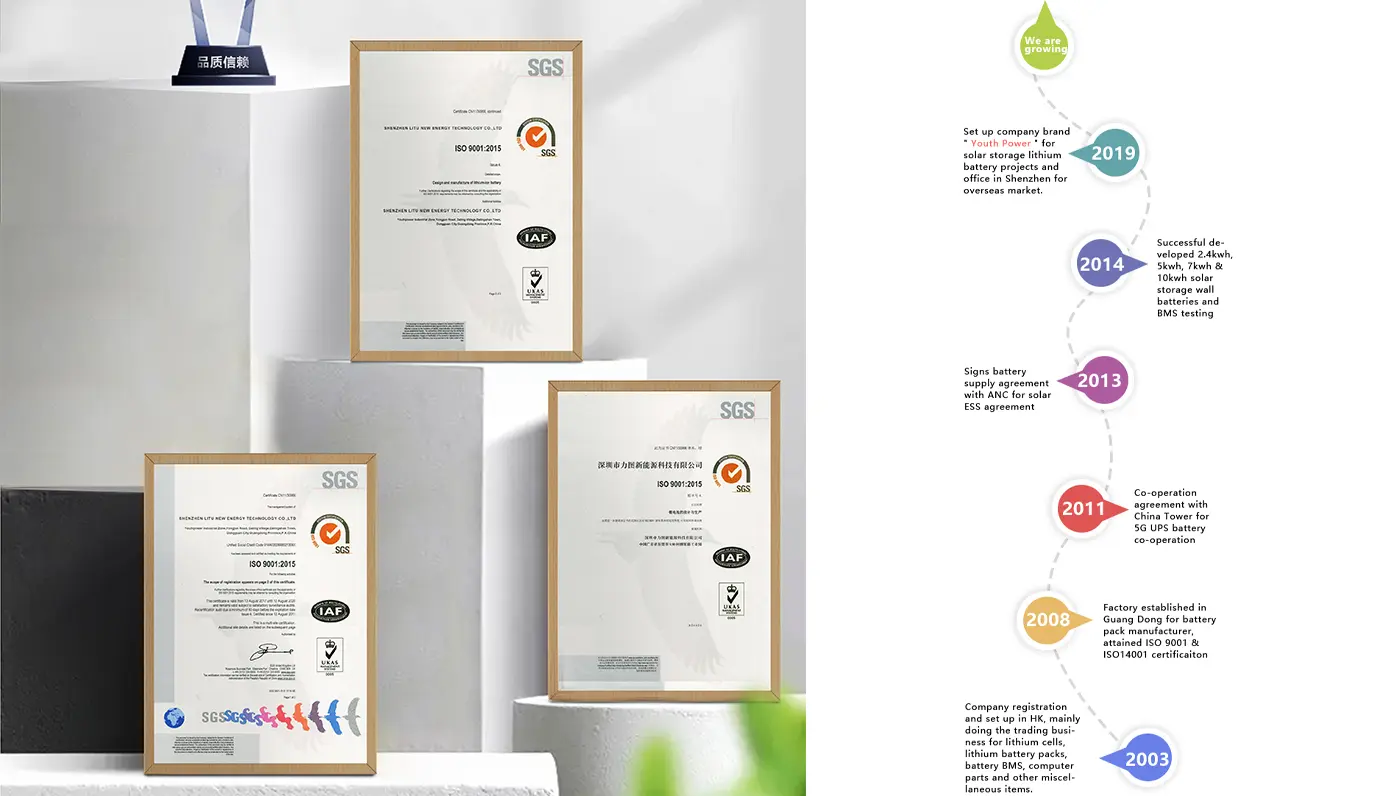
A visual inspection of our standardized modular architecture, manufacturing bays, and logistical dispatch systems.
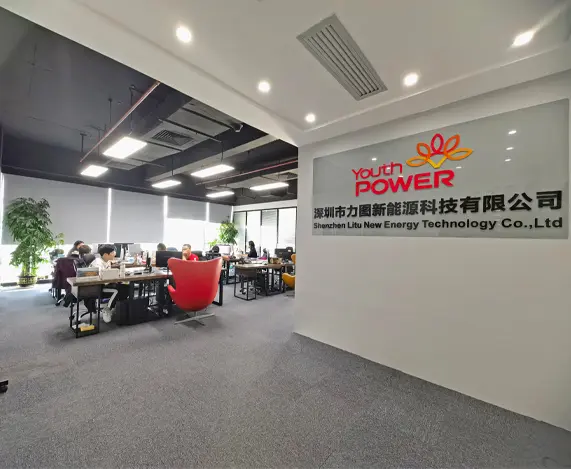
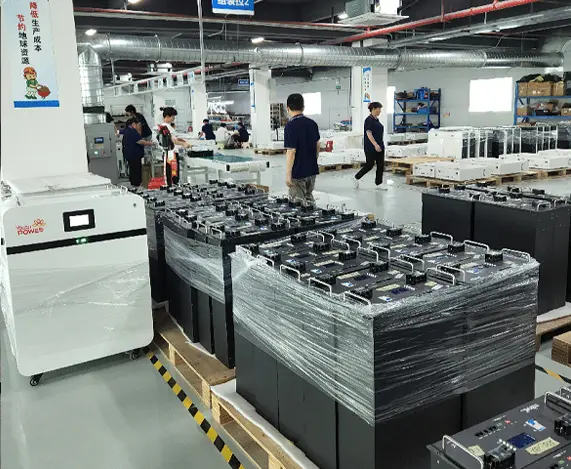
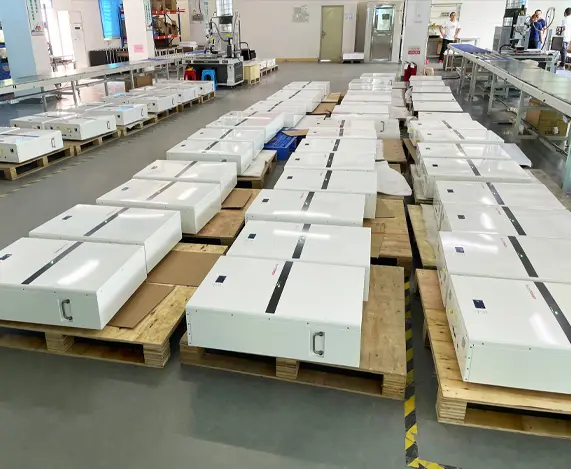
Key technical answers for procurement officers, energy system integrators, and plant engineers.
Complete your design specifications with our specialized hybrid controllers, low-voltage power bricks, and all-in-one backup enclosures.
 YouthPOWER